
Austria: A Luxury Guide to Seasons of Splendor
Austria, a country renowned for its picturesque landscapes and cultural vibrancy, offers a myriad of luxurious experiences for the discerning traveller.
From alpine adventures in pristine national parks to leisurely bicycle tours through verdant valleys, Austria caters to all kinds of enthusiasts. This guide delves into the country’s top tourist regions, exploring a wealth of activities available across seasons.
Winter Wonderland
Ski Slopes and Resorts
Austria, a country celebrated for its pristine skiing conditions, is a true paradise for ski enthusiasts around the world.
Among its most famed areas, Arlberg holds a special place. Known as the “Cradle of Alpine skiing,” Arlberg encompasses several iconic resorts, including St. Anton, Lech, and Zürs.
These destinations are revered for their vast ski terrains that offer challenges for both seasoned skiers and newcomers alike. With state-of-the-art lift systems and impeccably groomed slopes, Arlberg ensures a seamless ski experience amidst breathtaking alpine scenery.
Moving eastward, the Tirol region unfolds as another jewel in Austria’s skiing crown.
Resorts like Kitzbühel and Sölden are not just ski destinations but are synonymous with luxury and leisure.
Kitzbühel, hosting the famous Hahnenkamm Race, blends historical charm with modern ski culture. Its boutique hotels and spa resorts make it a top choice for those who wish to combine skiing with upscale pampering.
In contrast, Sölden offers expansive glacier skiing and a vibrant après-ski scene that caters to a lively crowd.
The high-altitude slopes guarantee excellent skiing conditions throughout the season, making it a reliable choice for early or late-season visits.
Winter Sports Beyond Skiing
While Austria’s reputation as a skiing destination is well-established, the country also offers a plethora of other winter sports that attract adventure seekers.
In East Tyrol, for instance, ice climbing has gained popularity. The frozen waterfalls and rugged cliff faces provide natural climbing walls that are both challenging and visually stunning.
This activity, guided by expert locals, allows participants to scale icy terrains safely, offering a thrilling complement to more traditional winter sports.
For those looking for a more serene experience, snowshoeing in the Dachstein mountains offers a peaceful yet invigorating opportunity to explore the winter landscape.
The Dachstein area, with its panoramic views and well-marked trails, is ideal for this gentle sport that can be enjoyed by all age groups. Snowshoeing tours often include stops at remote alpine huts where visitors can warm up and enjoy traditional Austrian hospitality.
Lastly, tobogganing provides a fun-filled alternative for families and groups. Places like Filzmoos become enchanted winter playgrounds, with dedicated toboggan runs that wind through forested paths and snowy meadows.
These runs vary in length and difficulty, ensuring that everyone from children to thrill-seeking adults can enjoy the ride. Night tobogganing, illuminated by lanterns or floodlights, adds an extra magical touch to this exhilarating activity.
Summer Exploration
Hiking and Cycling Routes
Summer in Austria transforms the landscape into a vibrant playground for outdoor enthusiasts.
Among the most celebrated routes for cyclists is the Danube Cycle Path.
Stretching alongside the majestic Danube River, this path offers over 1,200 kilometres of cycling pleasure, from the German border through Austria to Hungary. The Austrian section, particularly from Passau to Vienna, is renowned for its flat terrain, making it accessible for families and cyclists of all skill levels.
Along the route, riders are treated to a tapestry of vineyards, quaint villages, baroque cities, and historical sites, providing a rich cultural backdrop to an invigorating ride.
For hikers, the Hohe Tauern National Park presents an entirely different challenge and charm.
This park, home to Austria’s highest mountain, Grossglockner, features an array of trails that range from moderate walks to rigorous alpine climbs. The park’s diverse ecosystems, which include sprawling glaciers, rugged rock faces, and lush valleys, are a haven for flora and fauna.
Guided hikes are available, offering insights into the natural history and geology of the area, enhancing the hiking experience with educational elements.
Water Sports and Leisure Activities
Moving from the mountains to the waters, the Salzkammergut region is a gem in Austria’s summer landscape.
This area is dotted with numerous pristine lakes, but Lake Wolfgang and Lake Hallstatt stand out as centres for aquatic adventures. Lake Wolfgang, known for its crystal-clear waters and scenic beauty, is ideal for a variety of activities including sailing, wind-surfing, and waterskiing.
The lake’s surrounding landscape, with its lush green hills and traditional Austrian architecture, provides a picturesque setting for these exhilarating sports.
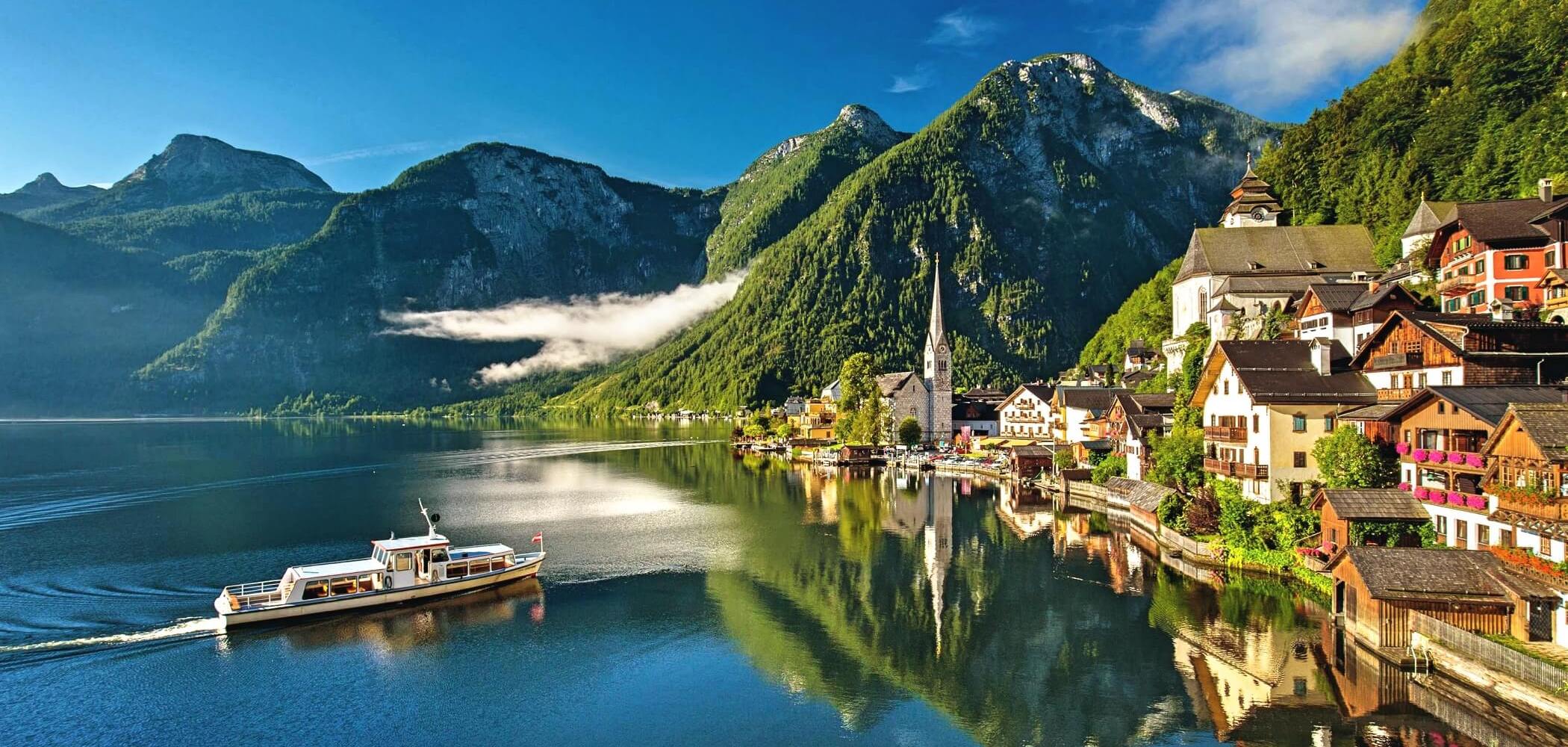
Lake Hallstatt offers a more tranquil experience but is no less magnificent. It is particularly famous for its diving opportunities.
Divers can explore submerged prehistoric pile dwellings that are part of the UNESCO World Heritage Prehistoric Pile dwellings around the Alps.
Beyond diving, the lake is perfect for kayaking and canoeing, offering peaceful ways to traverse the water and enjoy the stunning views of the Dachstein mountains reflecting off the lake surface.
Both lakes also provide excellent swimming conditions in the summer months, with designated swimming areas that are safe and family-friendly.
The lakeside resorts and beaches often include amenities such as changing rooms, cafes, and rental shops for water sports equipment, making it easy for visitors to spend a whole day enjoying the water and sun.
The Charm of National Parks
National Park Hohe Tauern
Hohe Tauern National Park stands as a monumental expanse of natural beauty, spanning across three Austrian states.
It is recognized as the largest national park in Central Europe and is a sanctuary for those who cherish the natural world. The park’s crown jewel, the Grossglockner, rises to 3,798 meters, making it Austria’s highest peak and a beacon for ambitious mountaineers.
The diverse landscapes within the park – from vast glacier fields and lush alpine meadows to roaring waterfalls – create a haven for a wide array of wildlife, including marmots, golden eagles, and the elusive ibex.
Visitors to Hohe Tauern can partake in guided tours that cater to various interests and fitness levels.
These tours are not only about exploring the scenic beauty but also understanding the ecological significance and conservation efforts that are integral to the park.
The educational aspect is highlighted through visitor centres like the National Park Worlds in Mittersill, which offers interactive exhibits and a panoramic view of the park’s ecology and geology.
For those interested in a deeper connection with nature, multi-day trekking tours are available, offering a chance to experience the high-altitude environments under the guidance of experienced park rangers.
National Park Gesäuse
In contrast to the alpine majesty of Hohe Tauern, National Park Gesäuse is renowned for its dramatic and rugged landscapes.
Established in 2002, it is one of Austria’s younger national parks and has quickly become a hotspot for adventure sports enthusiasts. The park’s name, Gesäuse, refers to the roaring noise made by the Enns River as it rushes through the narrow gorges, a defining feature of the region.
This tumultuous landscape provides exceptional opportunities for white-water rafting, which is a popular activity drawing thrill-seekers from across the globe. The park’s swift waters and challenging rapids offer exhilarating experiences under safe and controlled conditions.
Rock climbing in Gesäuse is also a draw, with the park boasting some of Austria’s most challenging and scenic climbing routes. The limestone cliffs offer a variety of routes that cater to different skill levels, from beginners to seasoned climbers.
For those who prefer solitude and less strenuous activities, the park’s extensive network of hiking trails allows for immersive experiences in quiet, untouched natural settings. These trails meander through dense forests and along mountain streams, offering peaceful retreats and stunning vistas.
National Park Gesäuse also places a strong emphasis on education and conservation. The park’s management conducts workshops and guided tours that focus on the ecological balance and the importance of preserving natural habitats.
These programs are designed to foster a deeper appreciation and understanding of the natural world among visitors, ensuring that the park’s beauty and biodiversity can be sustained for future generations.
Year-Round Sports and Activities
Alpine Sports
Austria’s reputation as a premier destination for winter sports is well-established, but its alpine regions also thrive with vibrant activity during the warmer months.
The Zillertal Alps, a particularly popular area for summer sports, provide a playground for adventurers seeking to immerse themselves in nature while pushing their physical limits.
Mountain Biking: The Zillertal Alps offer some of the most scenic and challenging mountain biking trails in Europe.
These trails range from gentle routes suitable for families to extreme downhill paths that test even the most skilled riders. Bike parks in the region, such as the one in Mayrhofen, feature well-designed courses with jumps, bumps, and banked turns, all maintained to high standards to ensure safety and fun.
Rental shops and professional guides are available to help beginners get started and to offer tips to more experienced bikers.
Paragliding: For those looking to take their adventure to new heights, paragliding over the Austrian Alps provides an unforgettable experience.
The sensation of soaring above the mountain landscapes, with panoramic views of lush valleys and jagged peaks, is truly exhilarating.
Numerous schools and services offer tandem flights, making this thrilling sport accessible to novices without prior experience.
Rock Climbing: The rugged terrains of the Zillertal Alps are also a magnet for rock climbers.
With a variety of routes covering different grades, climbers of all skill levels can find suitable challenges.
Climbing schools in the area offer courses that cover safety techniques, route planning, and proper use of equipment, allowing novices to learn the ropes under the guidance of experienced instructors.
Golfing in Luxury
For those who prefer a more leisurely pace, Austria’s luxurious golf courses provide the perfect setting to unwind and engage in gentle competition.
Nestled amidst the stunning alpine scenery, these courses combine sporting challenges with breathtaking views.
Salzburg and Tyrol Golf Courses: In regions such as Salzburg and Tyrol, golf courses are designed not just for play but as experiences of their own.
Courses like the Golfclub Kitzbühel-Schwarzsee and Golf Club Zell am See-Kaprun are renowned for their meticulous maintenance and beautiful layouts. These courses meander through alpine forests and open onto vistas of snow-capped mountains, offering a serene environment that enhances the golfing experience.
These clubs often feature resort-like amenities, including pro shops, restaurants, and spas, catering to golfers and non-golfers alike.
The combination of top-notch facilities, professional service, and stunning natural surroundings ensures that guests enjoy a premium experience both on and off the course.
Explore Austria Even More
Check our articles about regions
Explore our Austrian Adventures or click here to contact us to design a journey that’s uniquely yours.
No tours match your criteria
