


Discovering Lithuania: A Luxury Guide to All-Season Adventures
Lithuania, the southernmost of the Baltic States, is an emerging destination for luxury tourism, offering a rich blend of historical elegance, natural beauty, and modern comforts.
From the vibrant streets of Vilnius to the tranquil shores of the Curonian Spit, Lithuania caters to sophisticated travellers seeking both relaxation and adventure. Whether exploring the cobblestone streets of ancient towns, indulging in gourmet dining, or embarking on outdoor excursions, Lithuania provides an unparalleled experience for those who seek the finer things in life.
Movie credit: @LithuaniaTravel
Vilnius and Central Lithuania: Urban Elegance and Natural Splendor
Vilnius: A Capital of Culture and Luxury
Vilnius, the capital of Lithuania, is a city where history meets modernity. Known for its Baroque architecture, winding cobblestone streets, and vibrant arts scene, Vilnius is a destination that offers both cultural depth and contemporary luxury.
Gediminas Tower stands as a symbol of the city’s resilience and offers panoramic views of Vilnius, making it a must-visit for any traveller.
Nearby, the Vilnius Cathedral and its iconic bell tower serve as focal points of the city’s architectural heritage. For those seeking a more immersive experience, the Uzupis District, known for its bohemian atmosphere, offers a glimpse into the artistic soul of Vilnius.
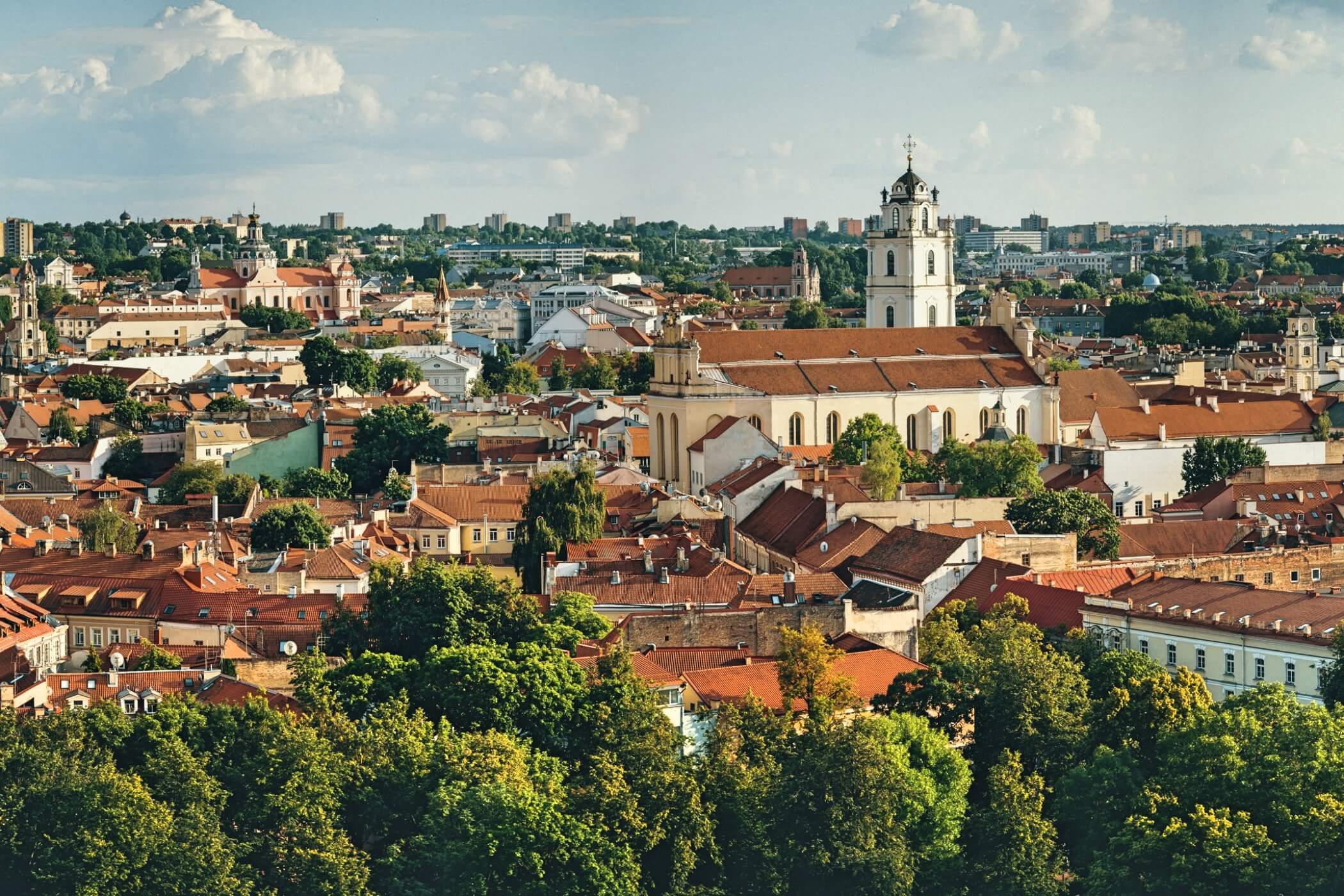
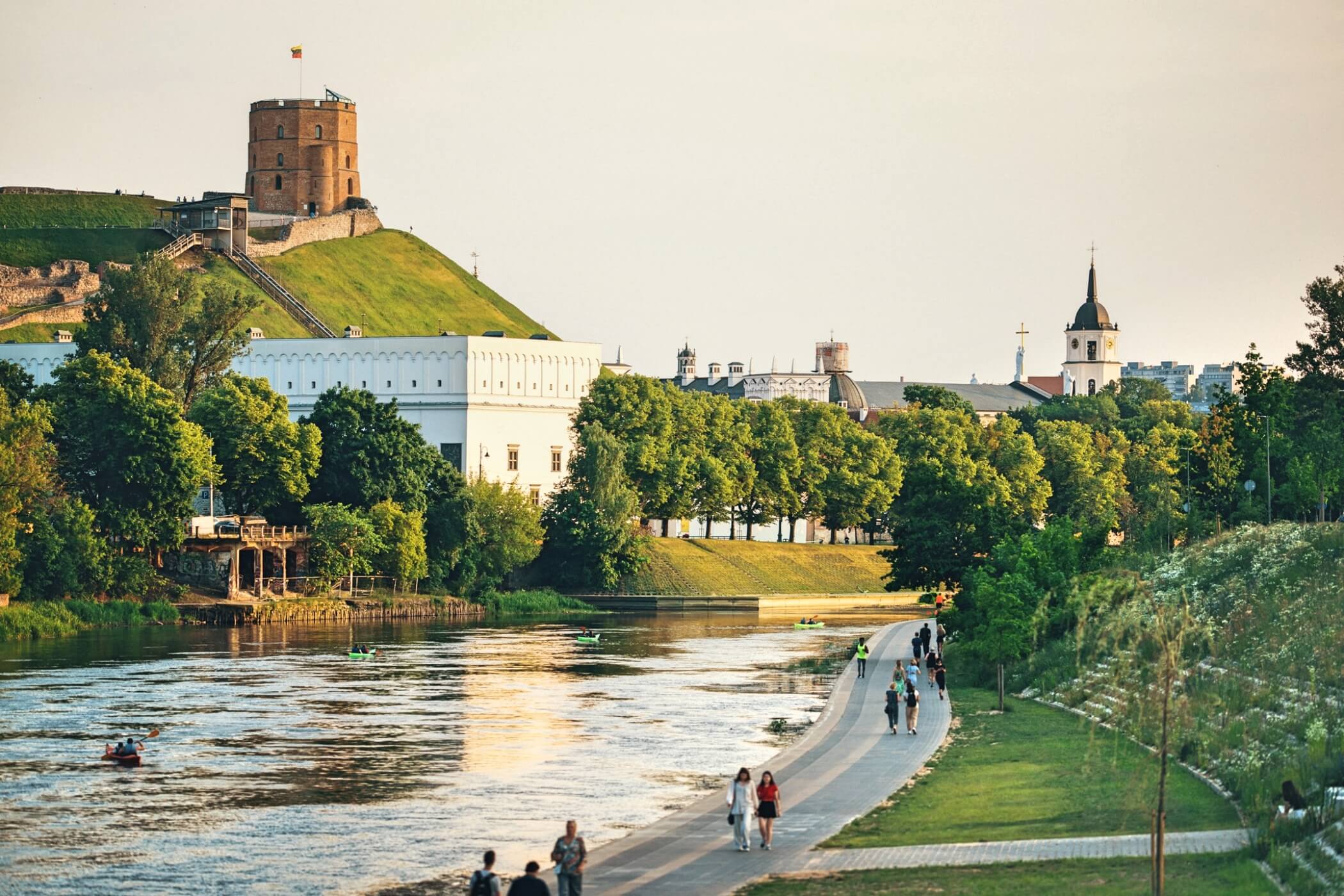
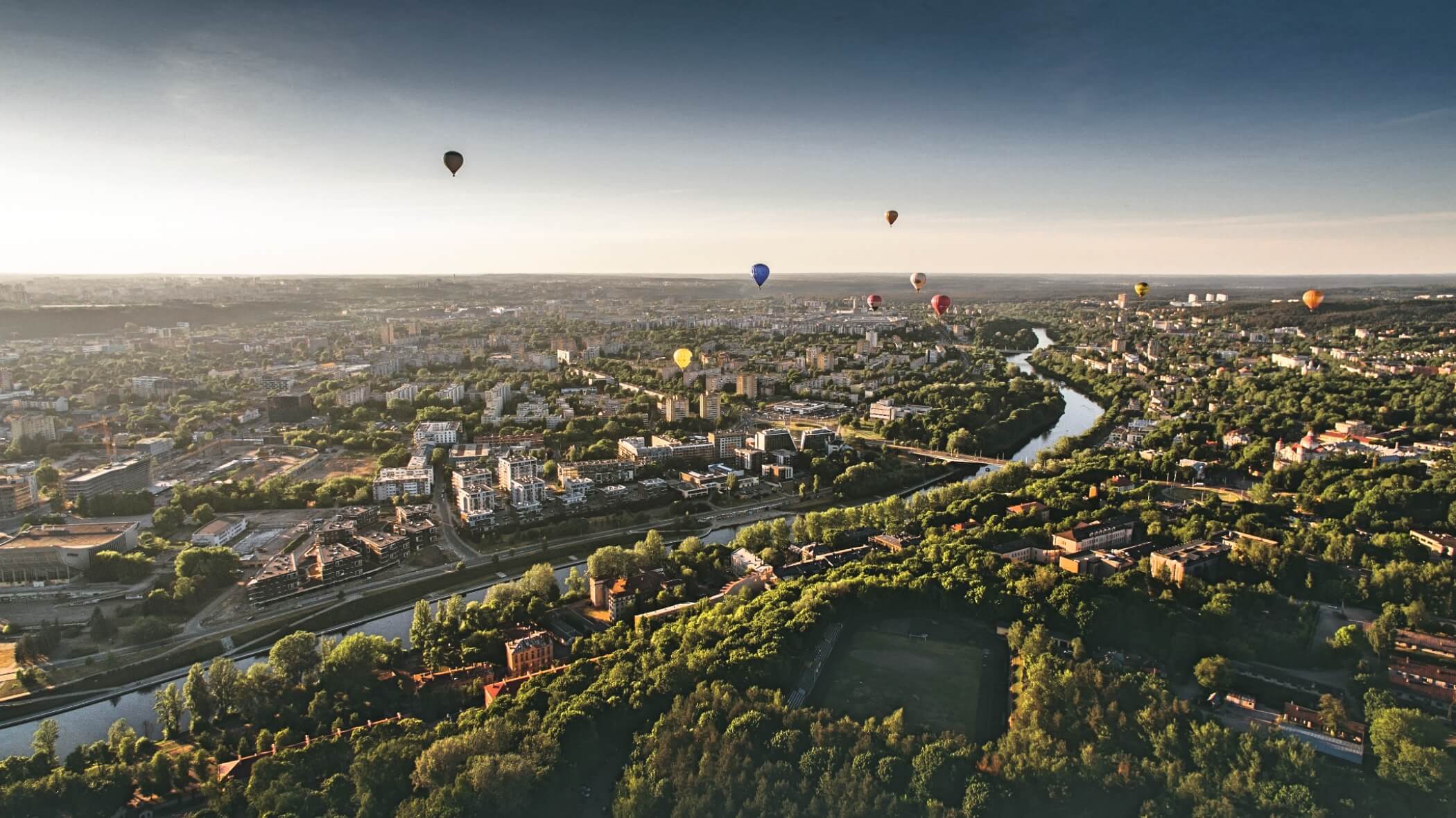
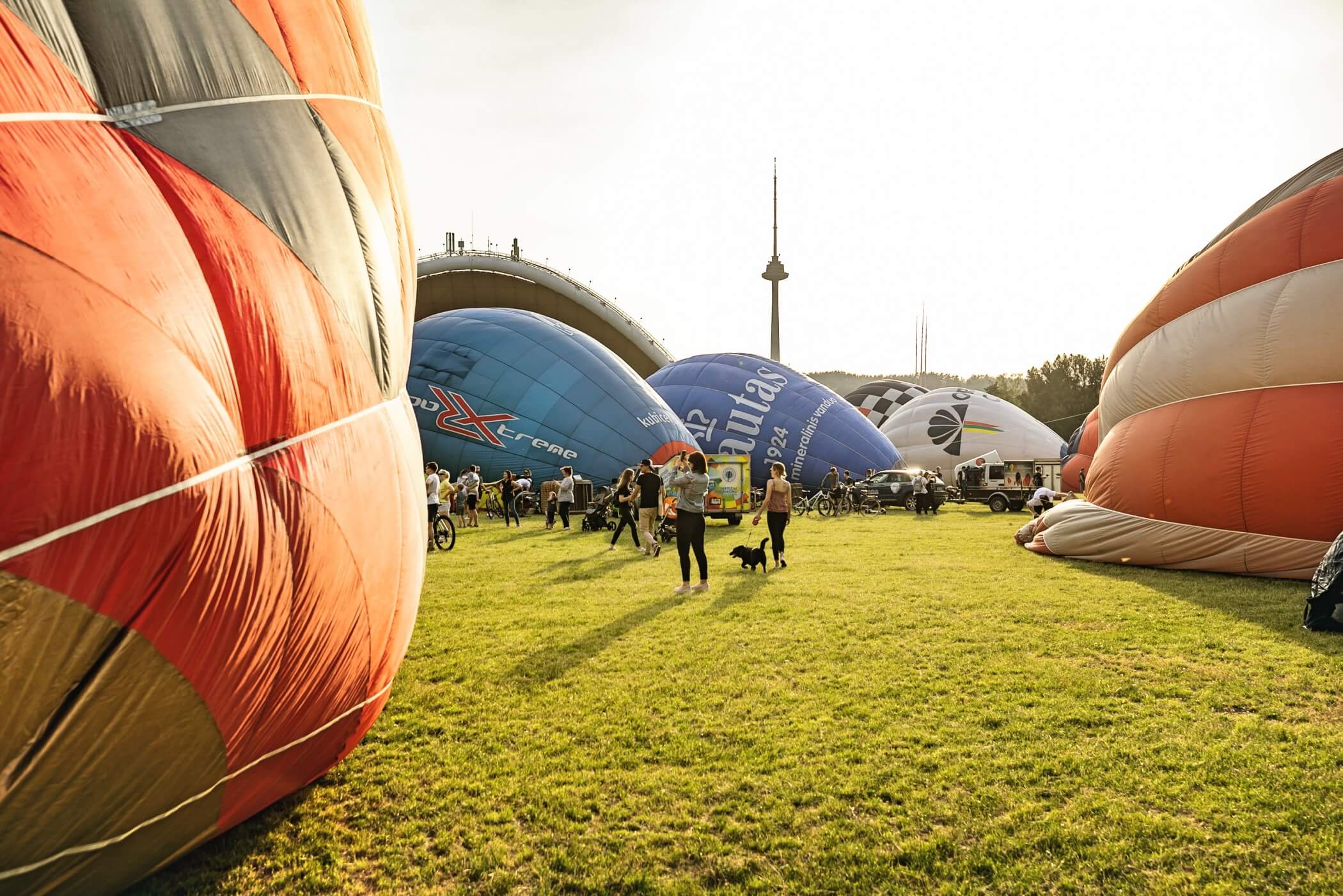
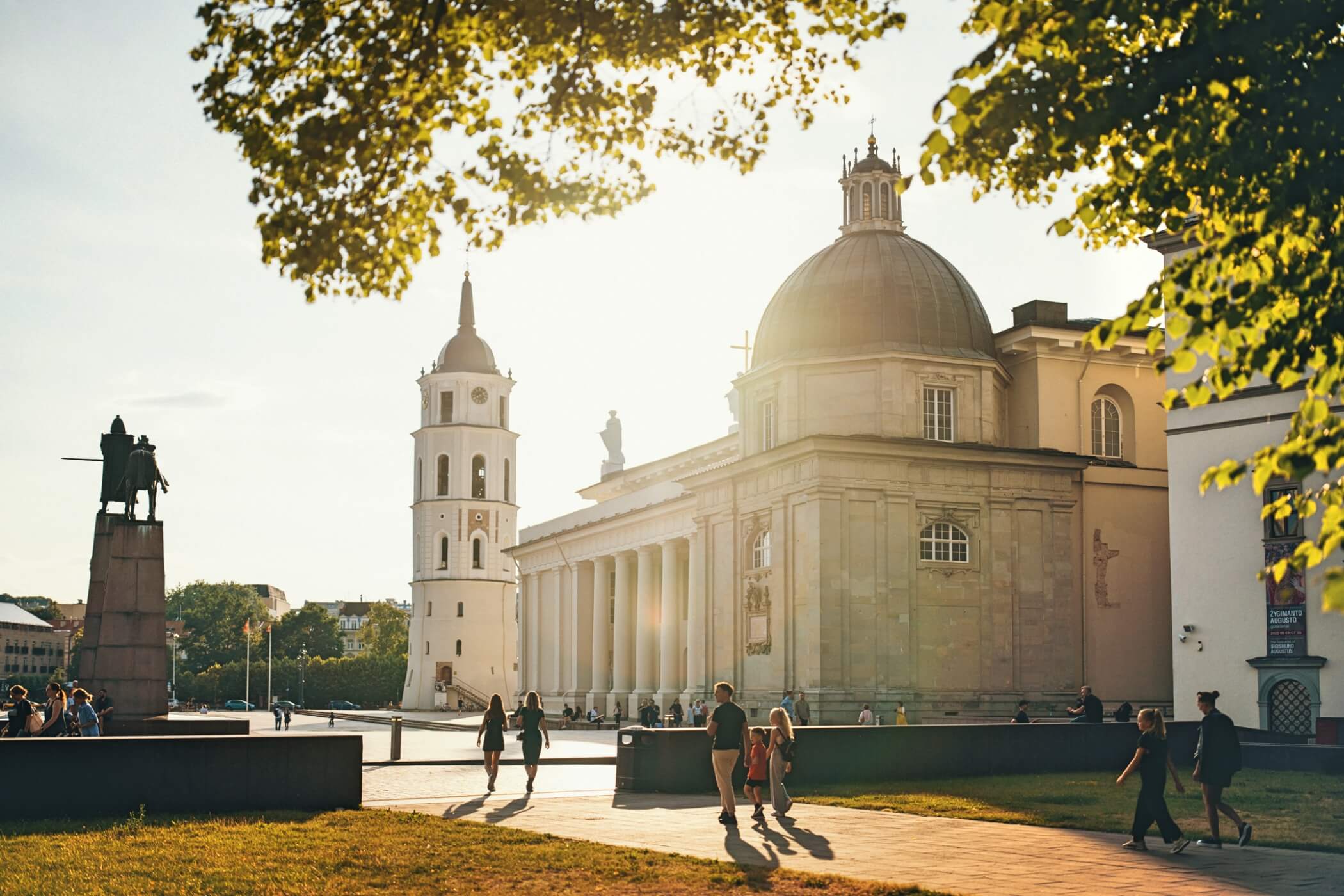
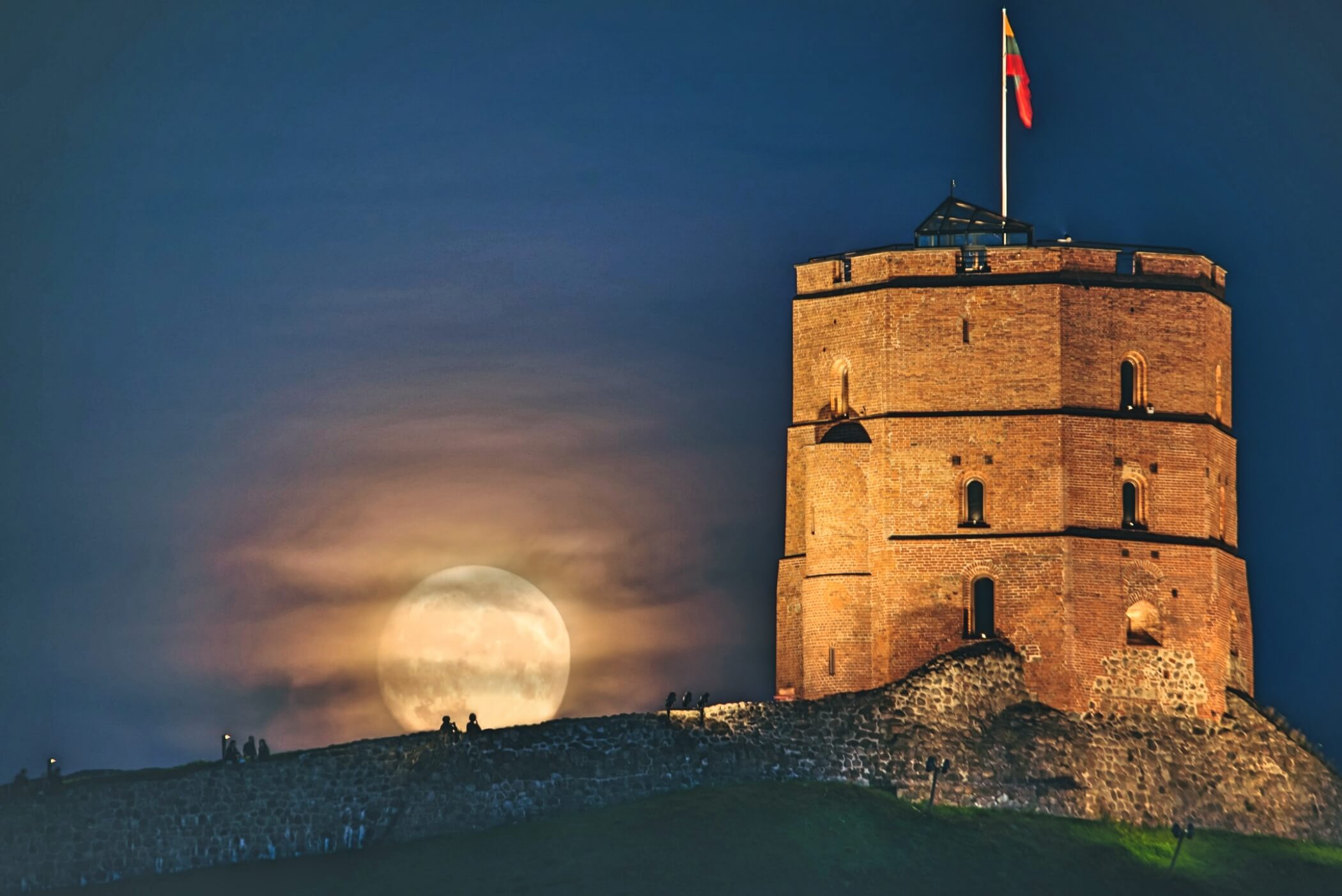
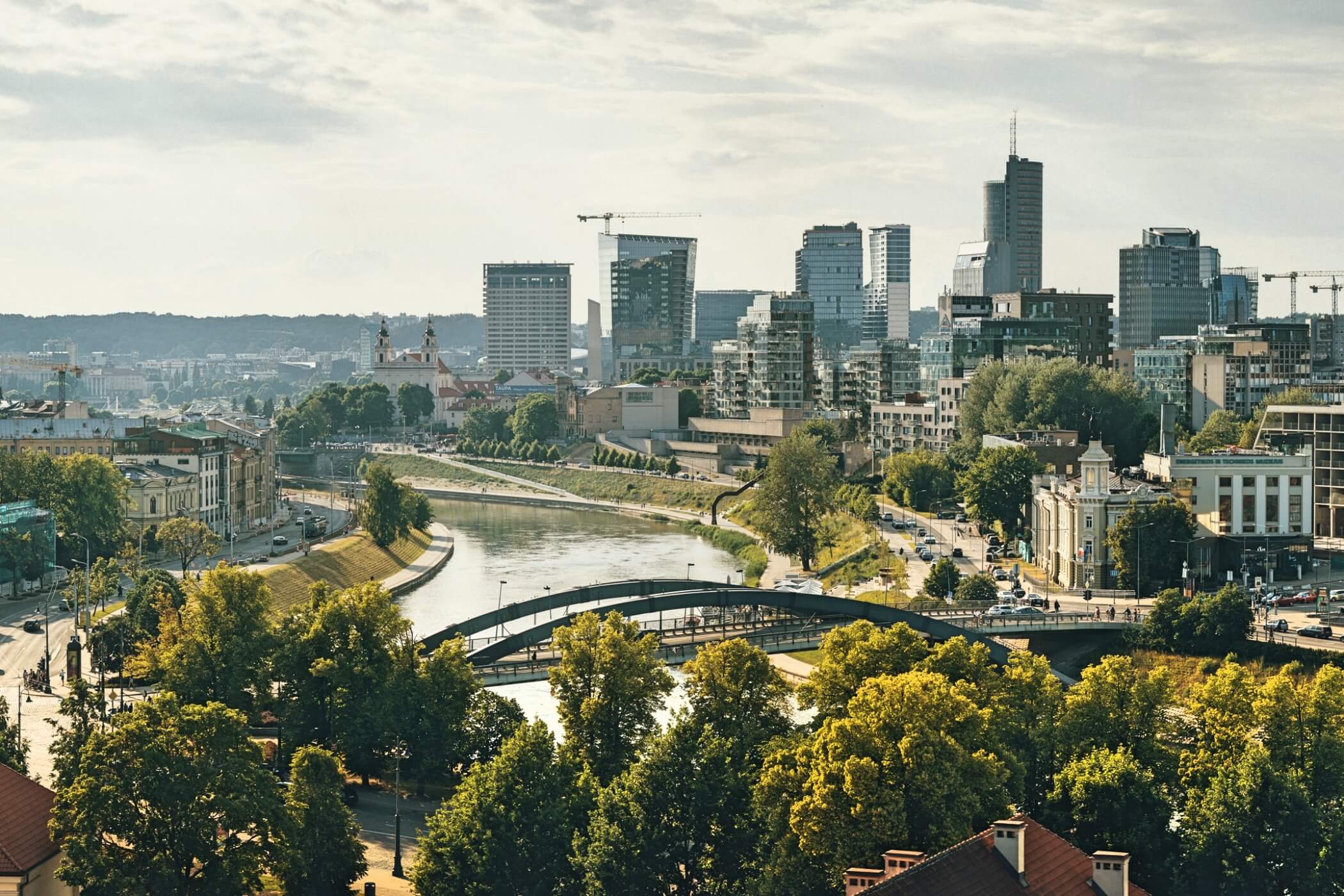
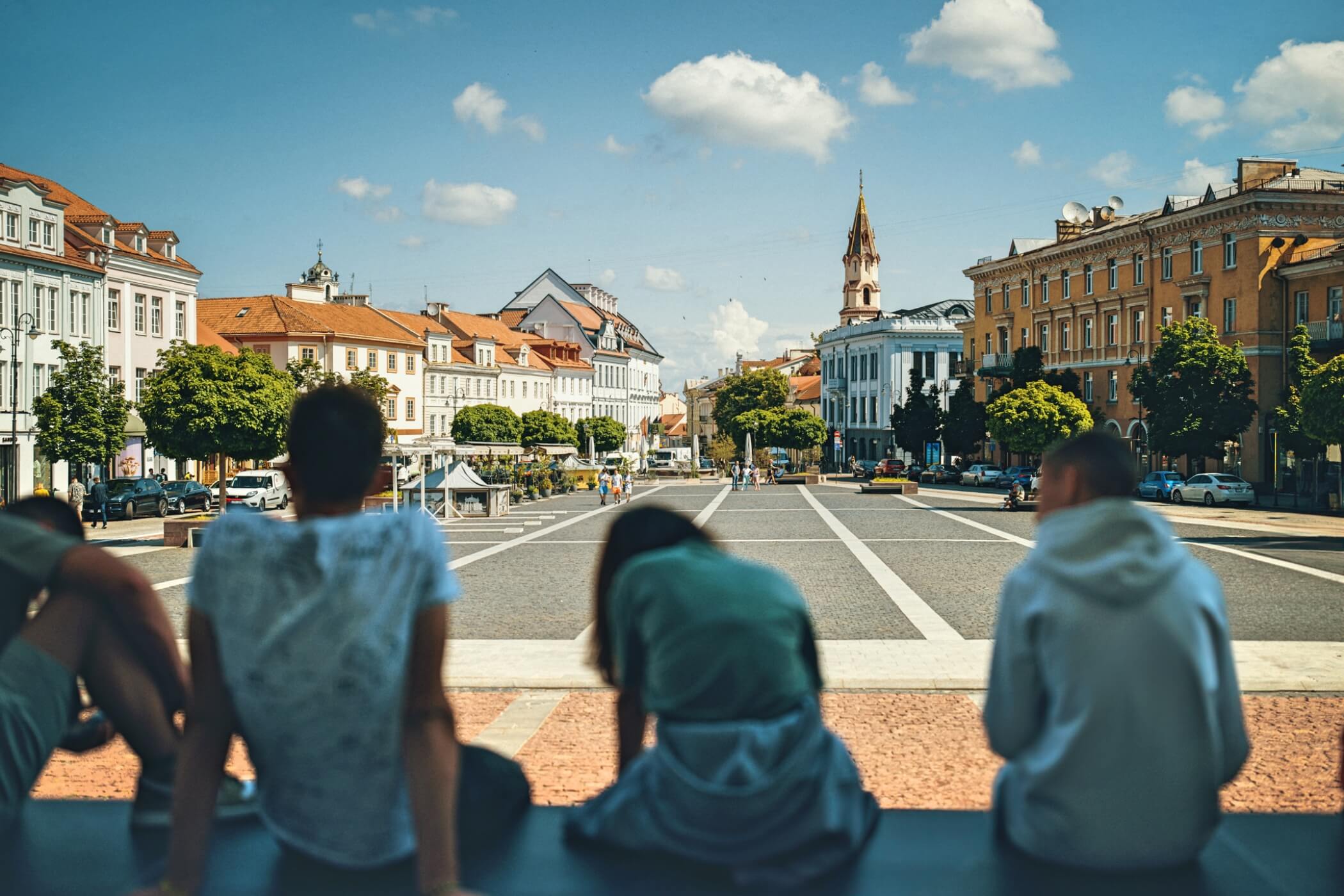
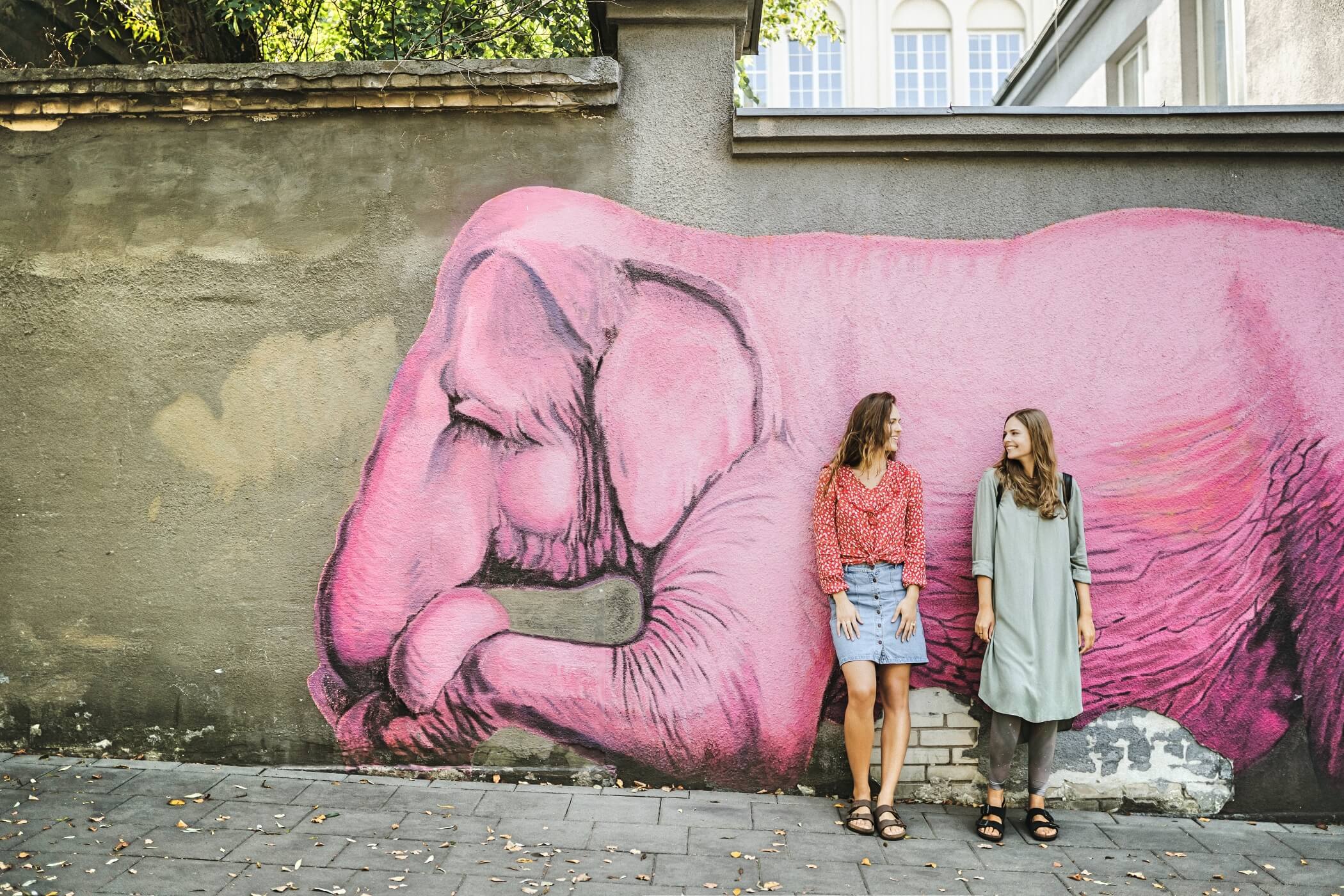
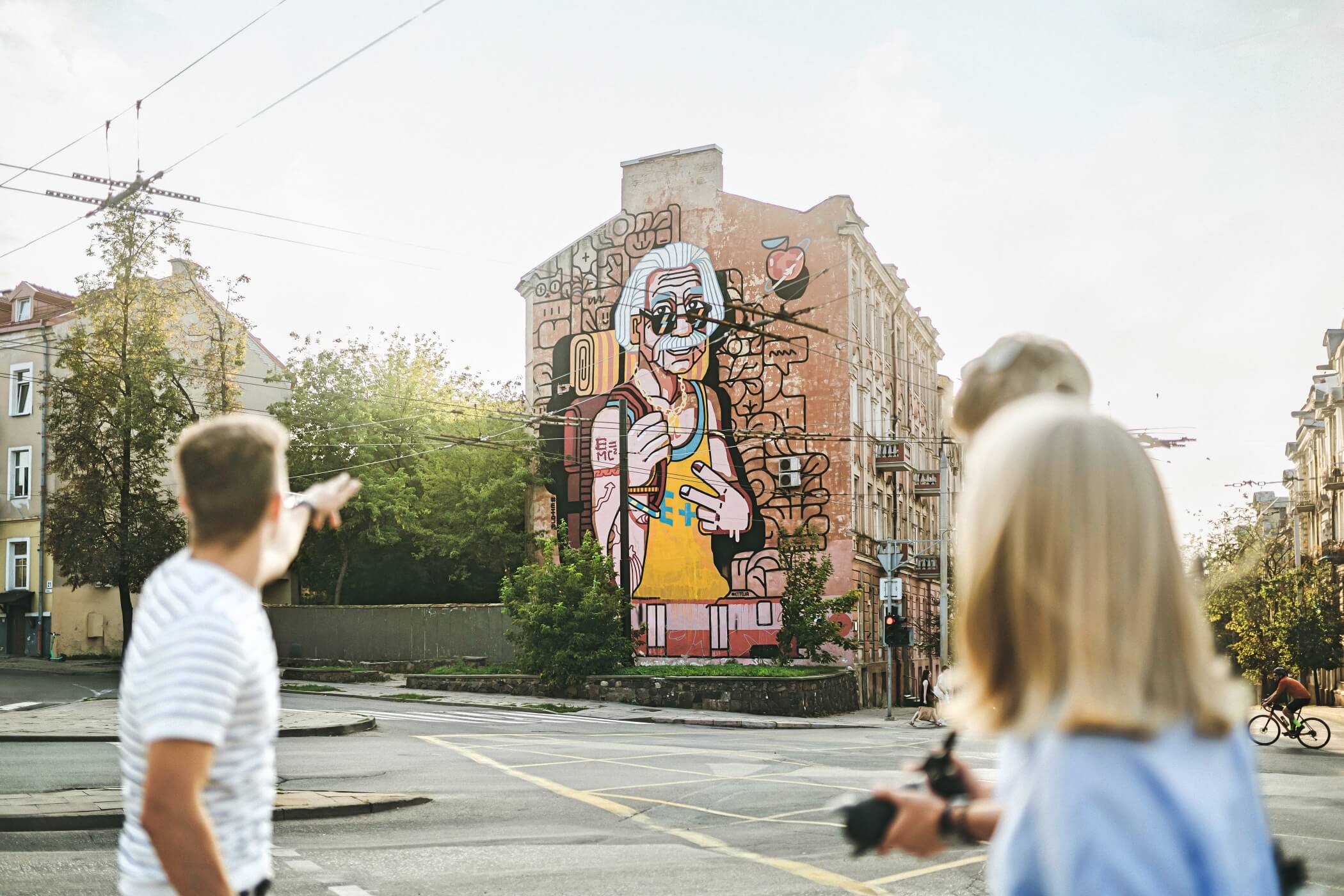
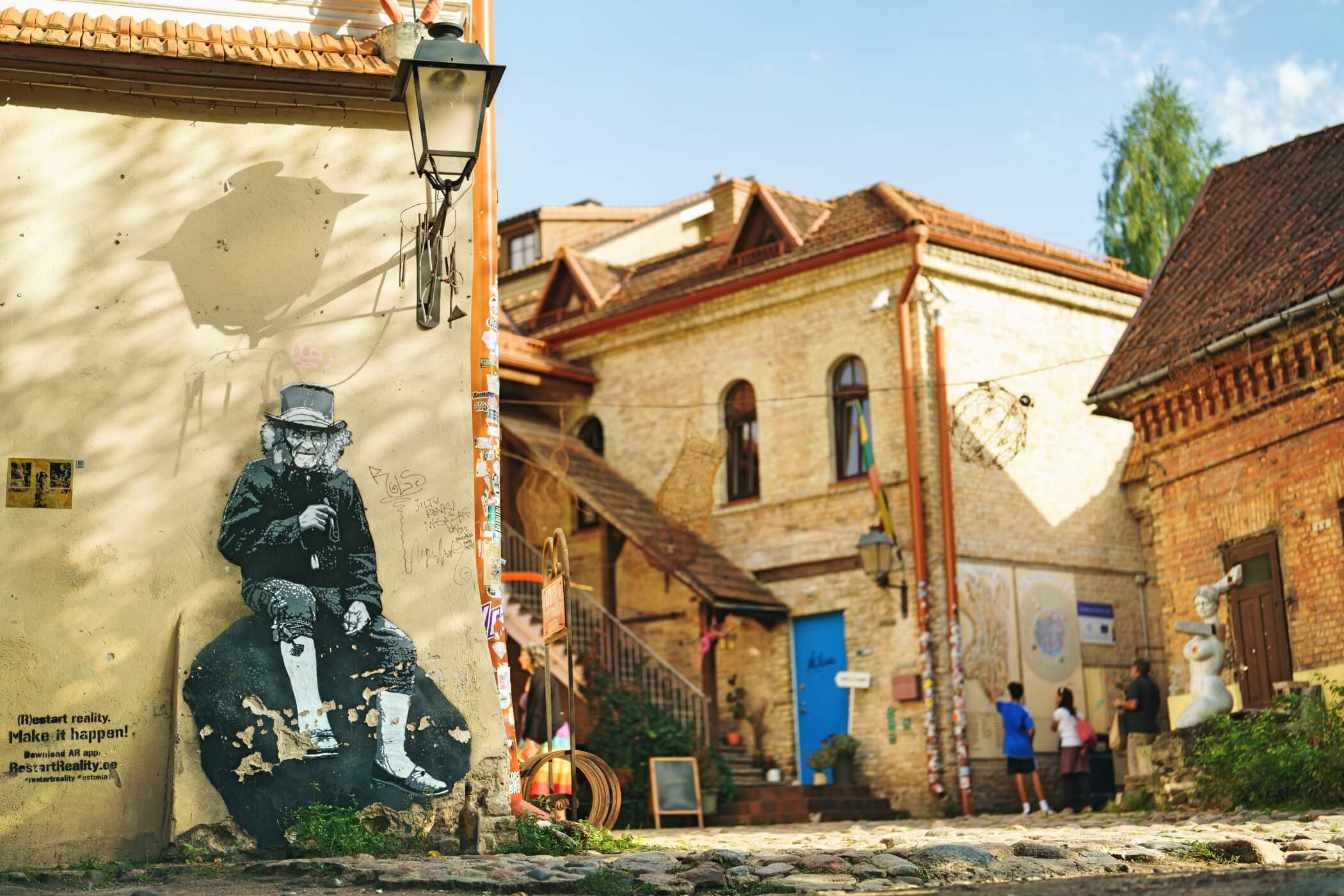
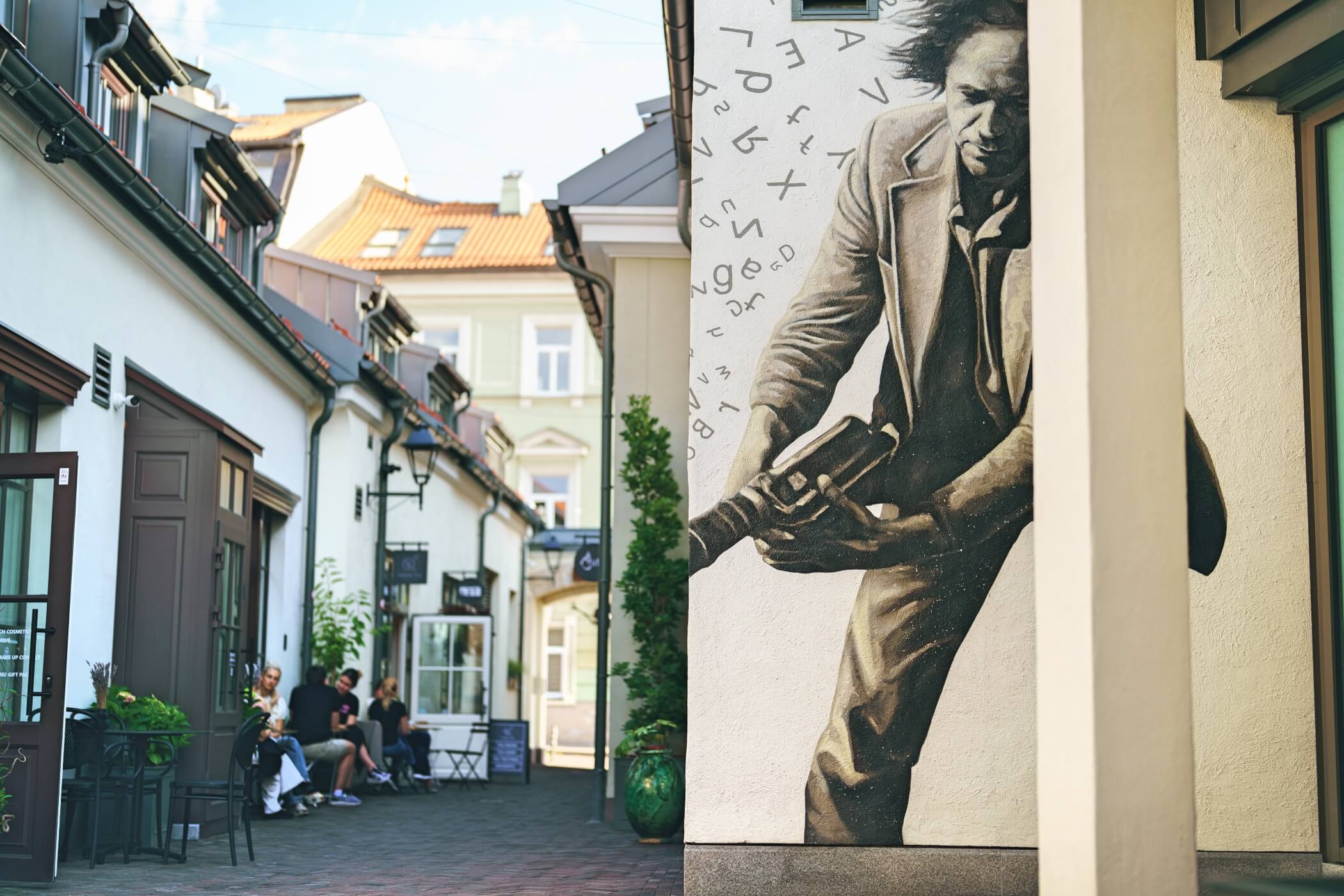
Photo credit: @LithuaniaTravel
Upscale art galleries, boutique stores, and chic cafes line the streets, providing a sophisticated experience for discerning visitors.
High-end shopping is another hallmark of Vilnius, with the city’s boutiques offering European fashion, jewellery, and artisan crafts.
Gedimino Avenue is the main shopping thoroughfare, where designer stores and elegant cafes cater to the city’s elite. After a day of shopping, visitors can unwind at one of the many gourmet restaurants, where Michelin-starred chefs and innovative menus provide a refined culinary experience.
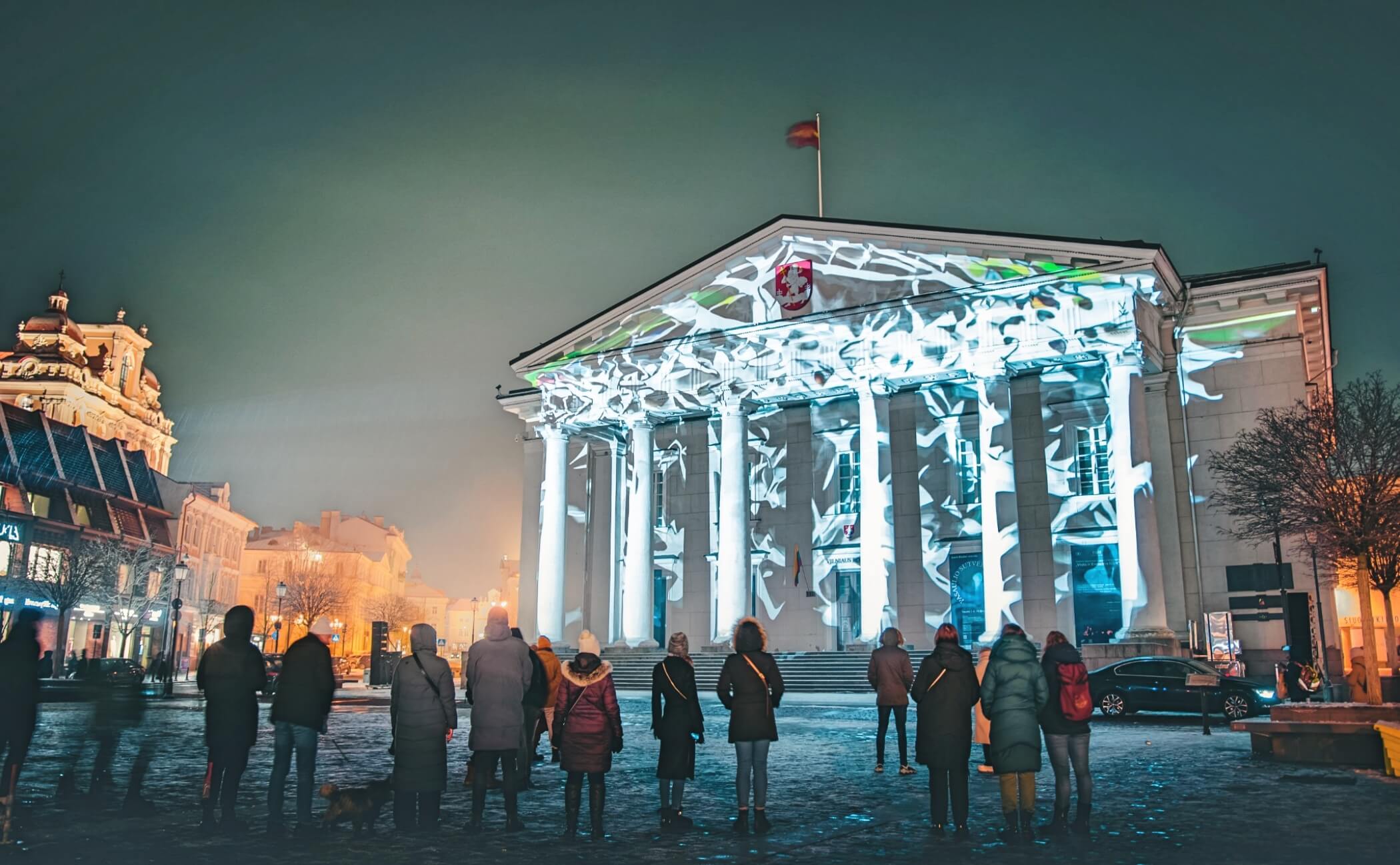
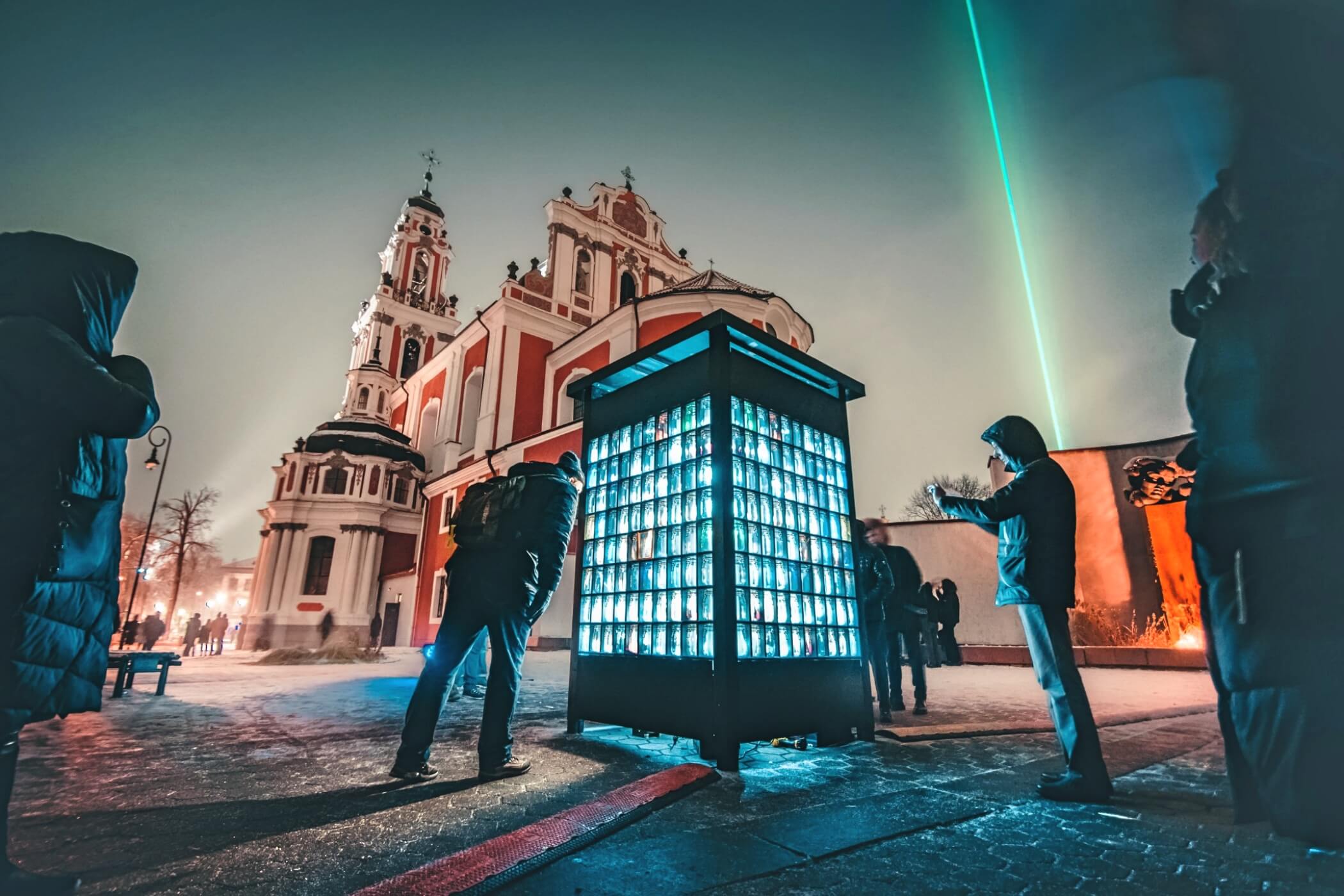
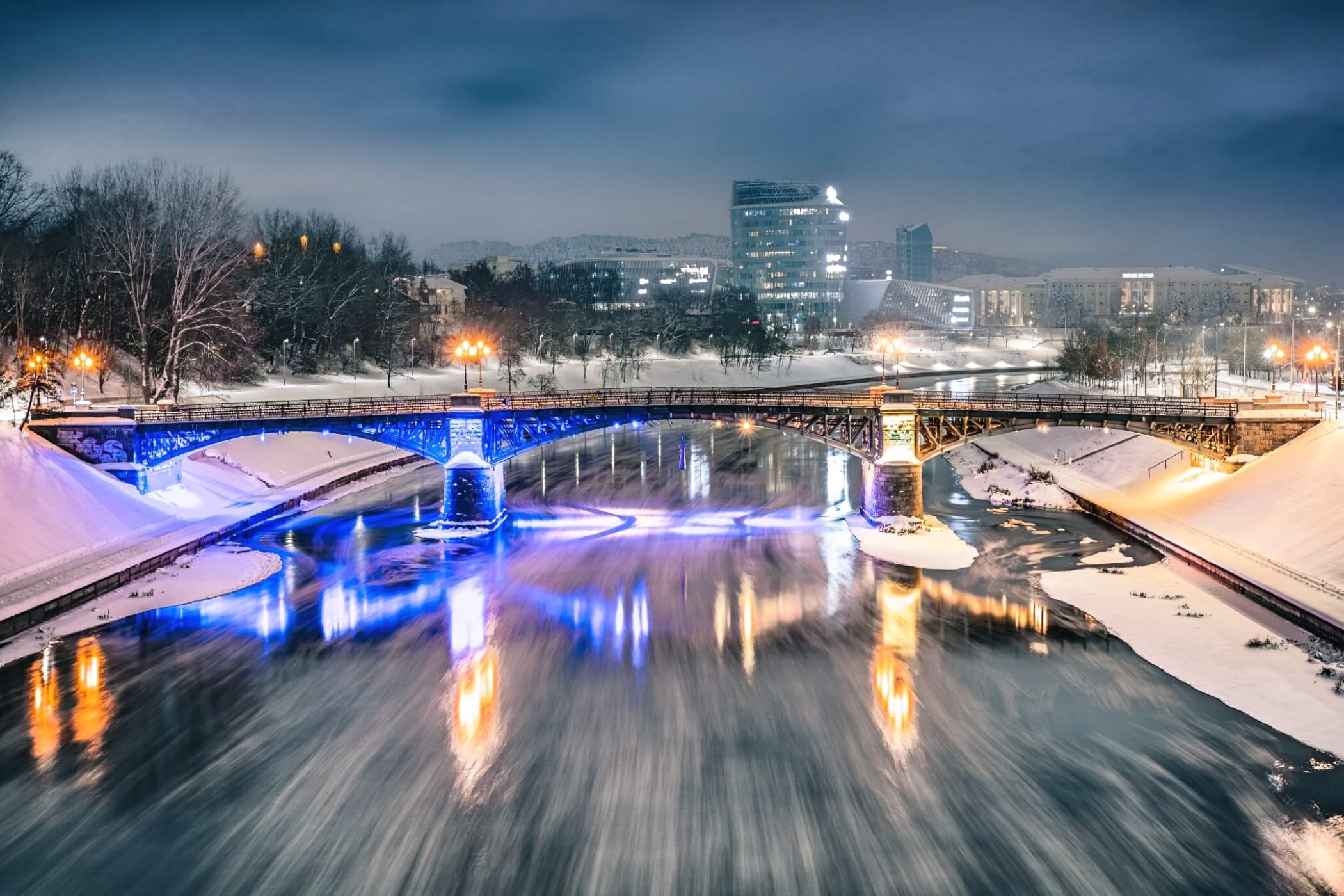
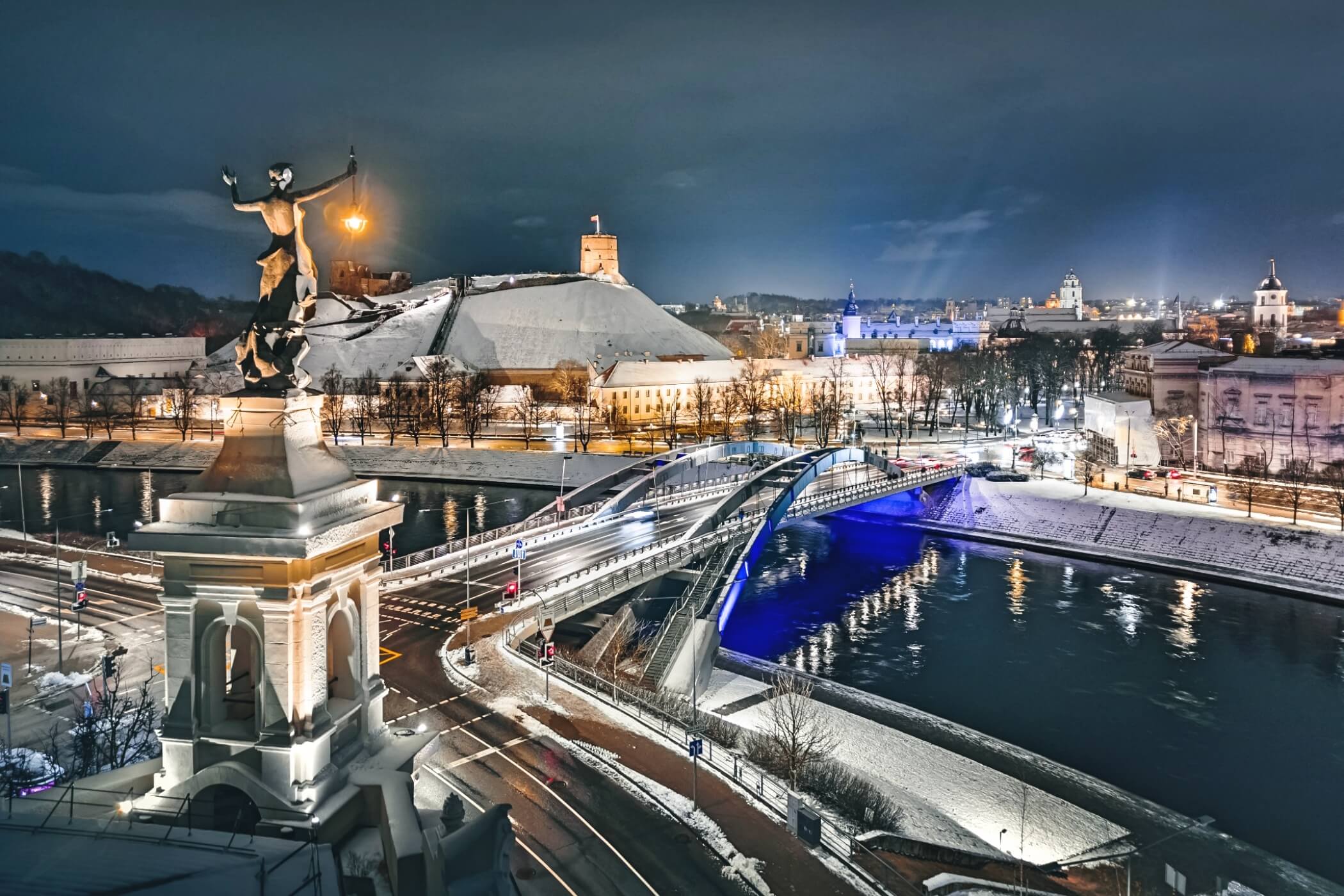
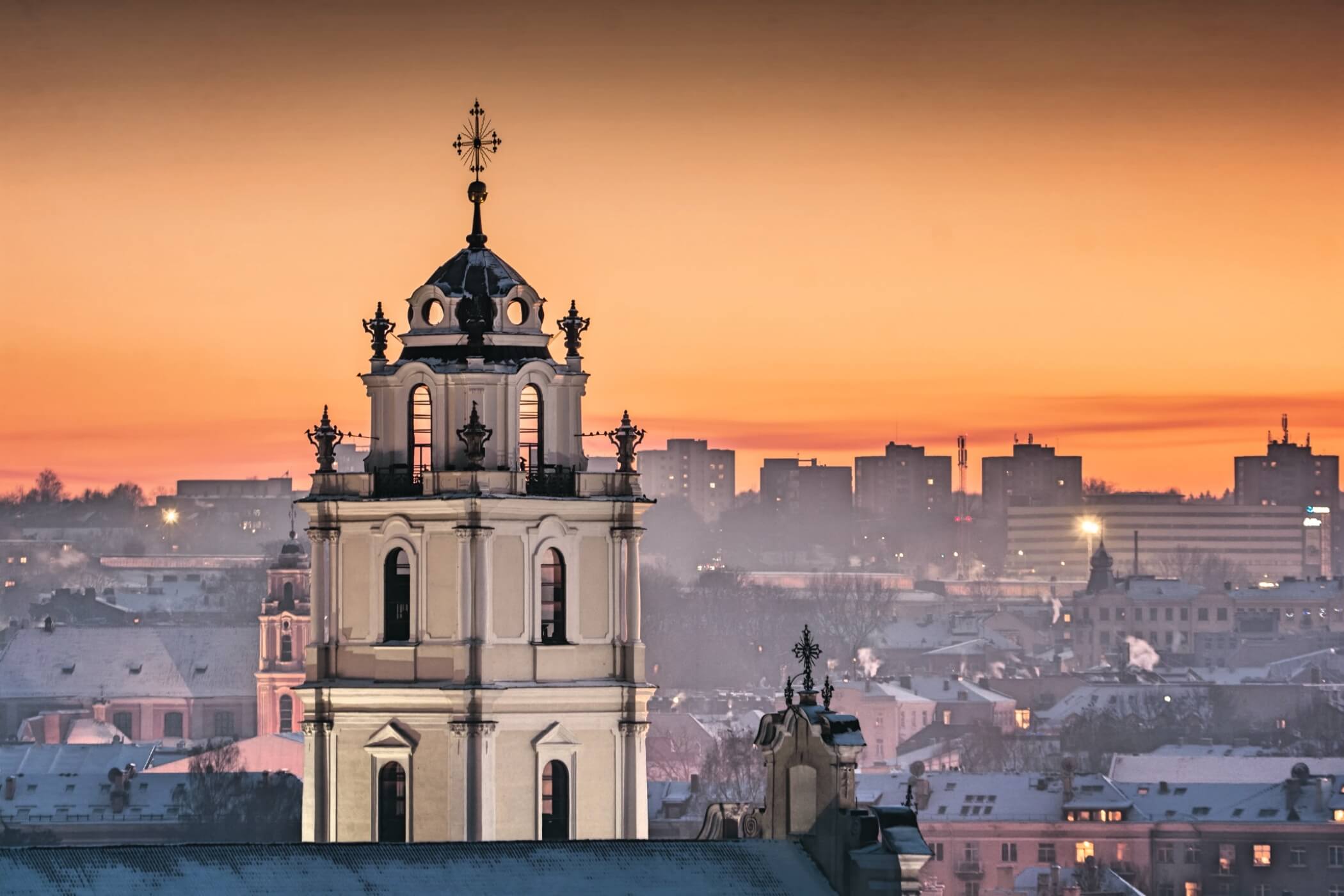
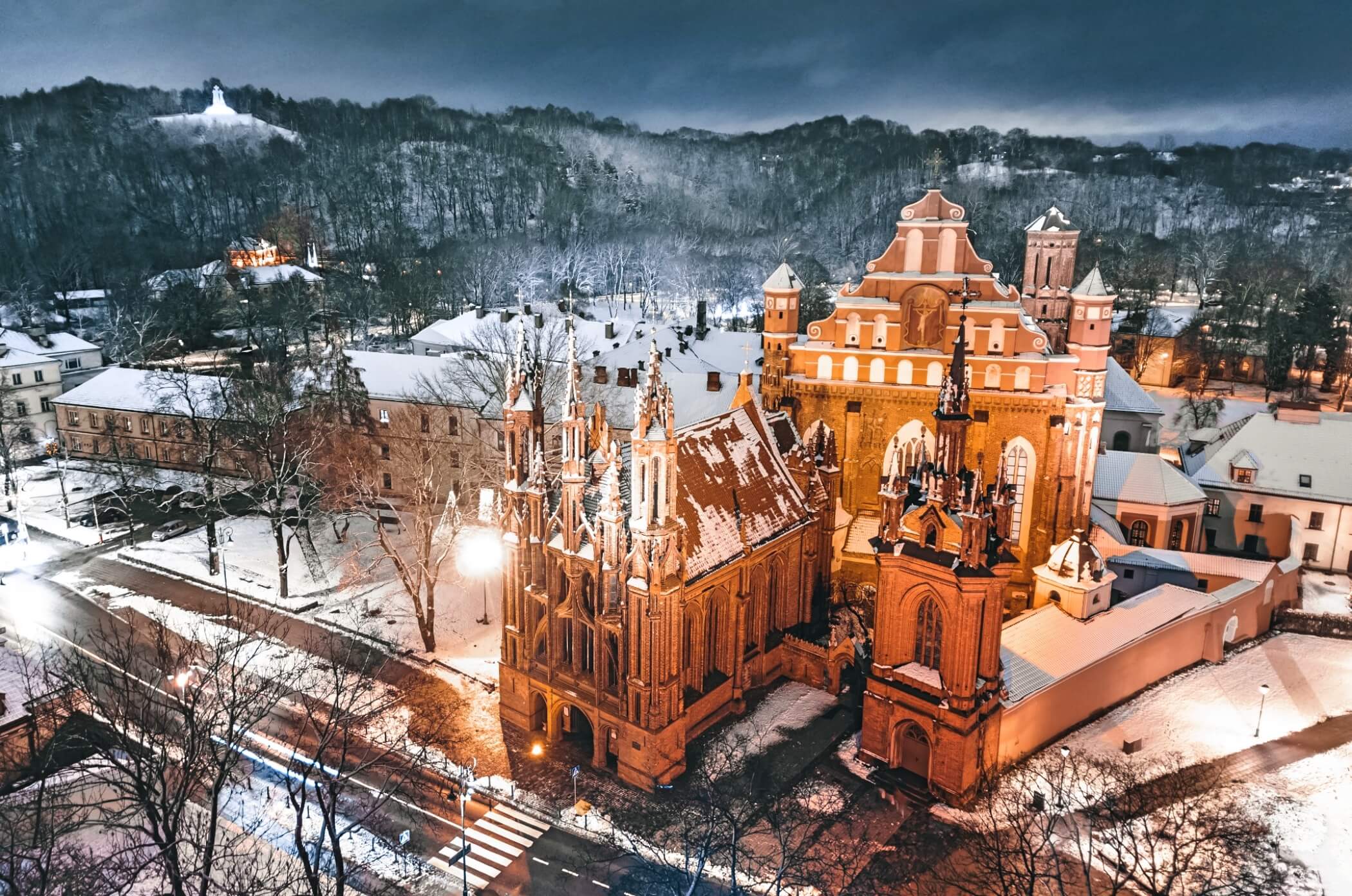
Photo credit: @LithuaniaTravel
Nature and Recreation in Central Lithuania
While Vilnius is the heart of Lithuania’s urban luxury, the surrounding regions offer opportunities for outdoor enthusiasts and nature lovers. Central Lithuania is criss-crossed with an extensive network of cycling and walking paths that allow visitors to explore the region’s natural beauty at their own pace.
The Vilnius Bike Park is a popular destination for both leisurely rides and intense cycling challenges, with trails that wind through forests and along rivers. For those who prefer walking, the Neris River Trail provides a scenic route that showcases the lush landscapes of Central Lithuania.
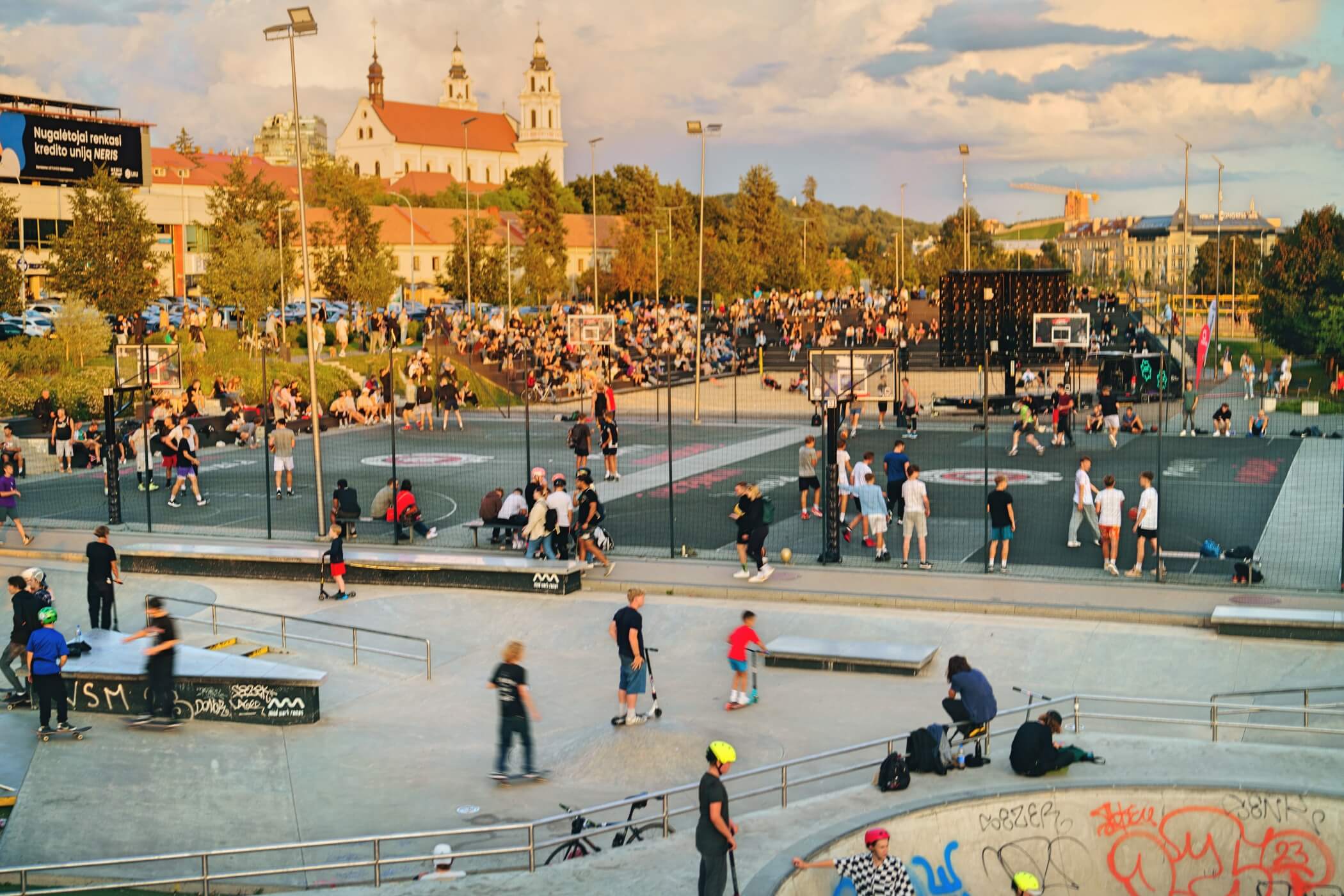
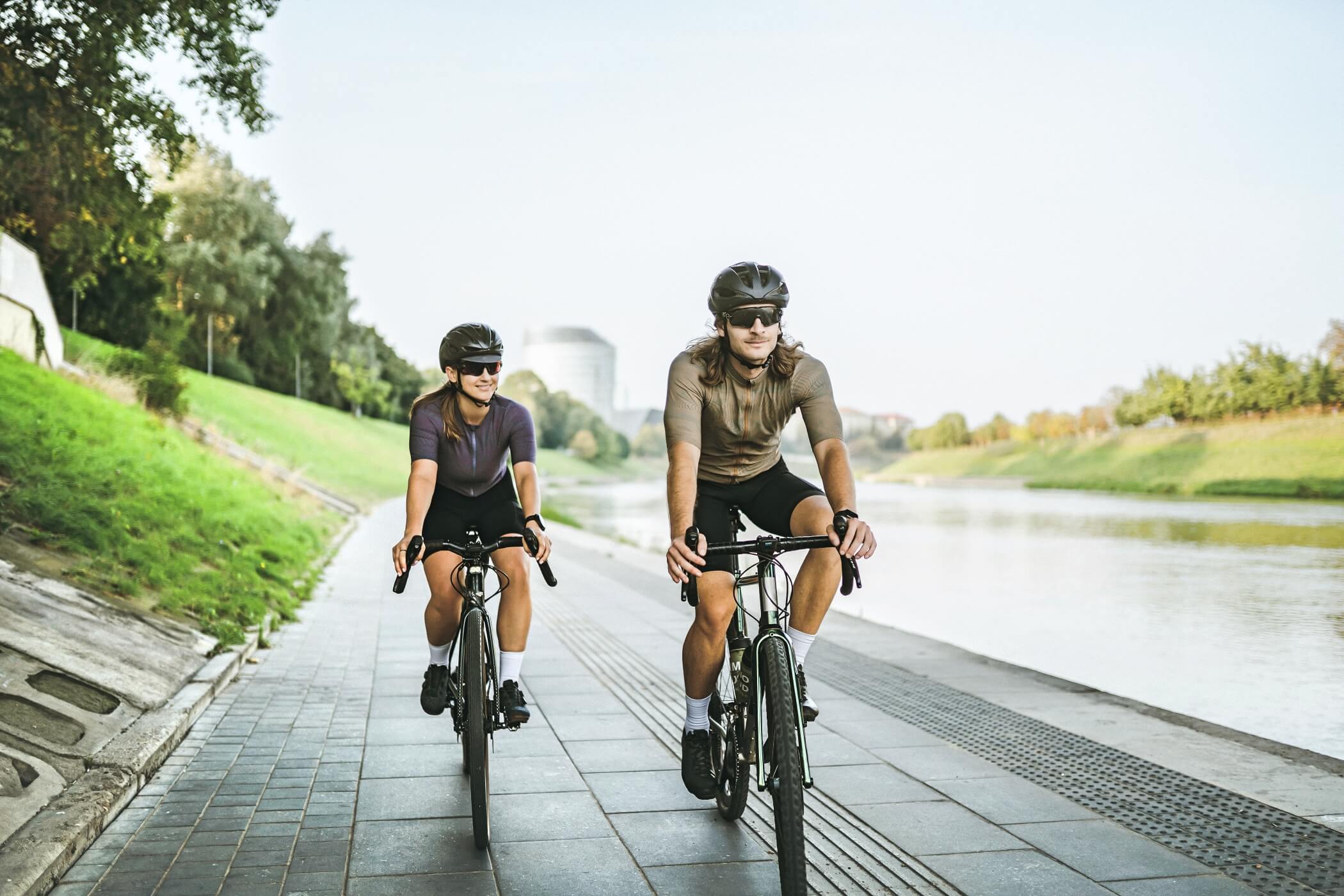
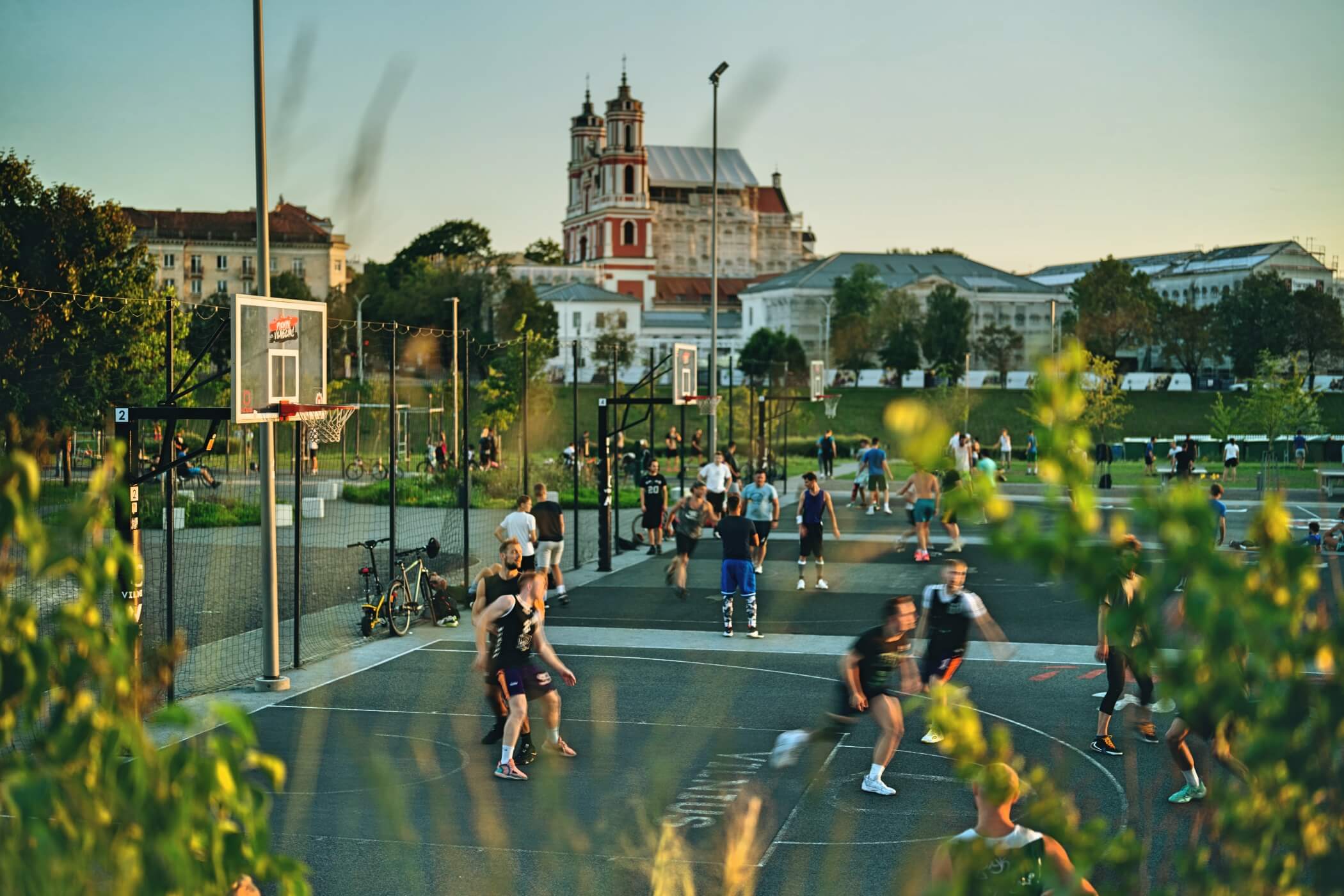
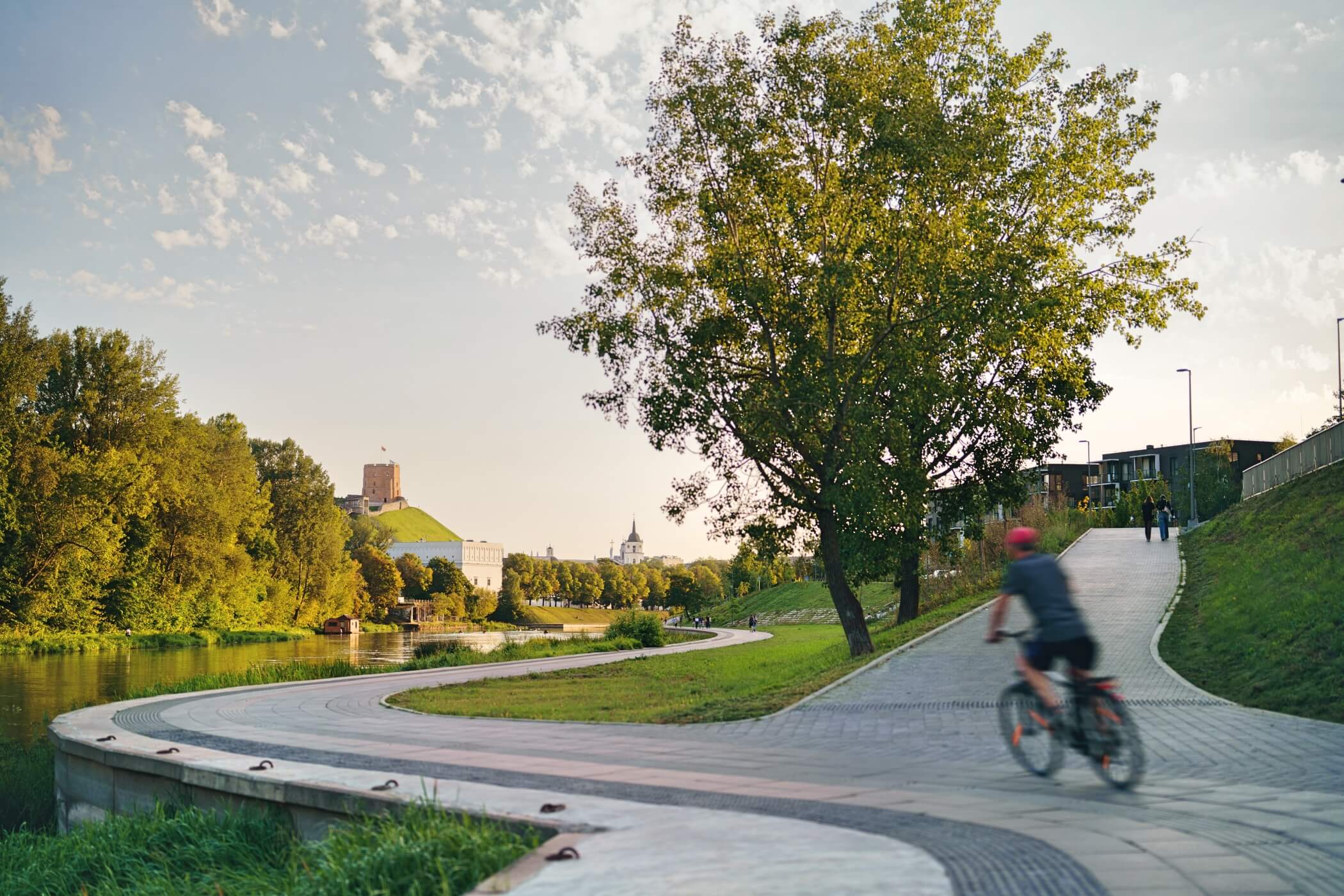
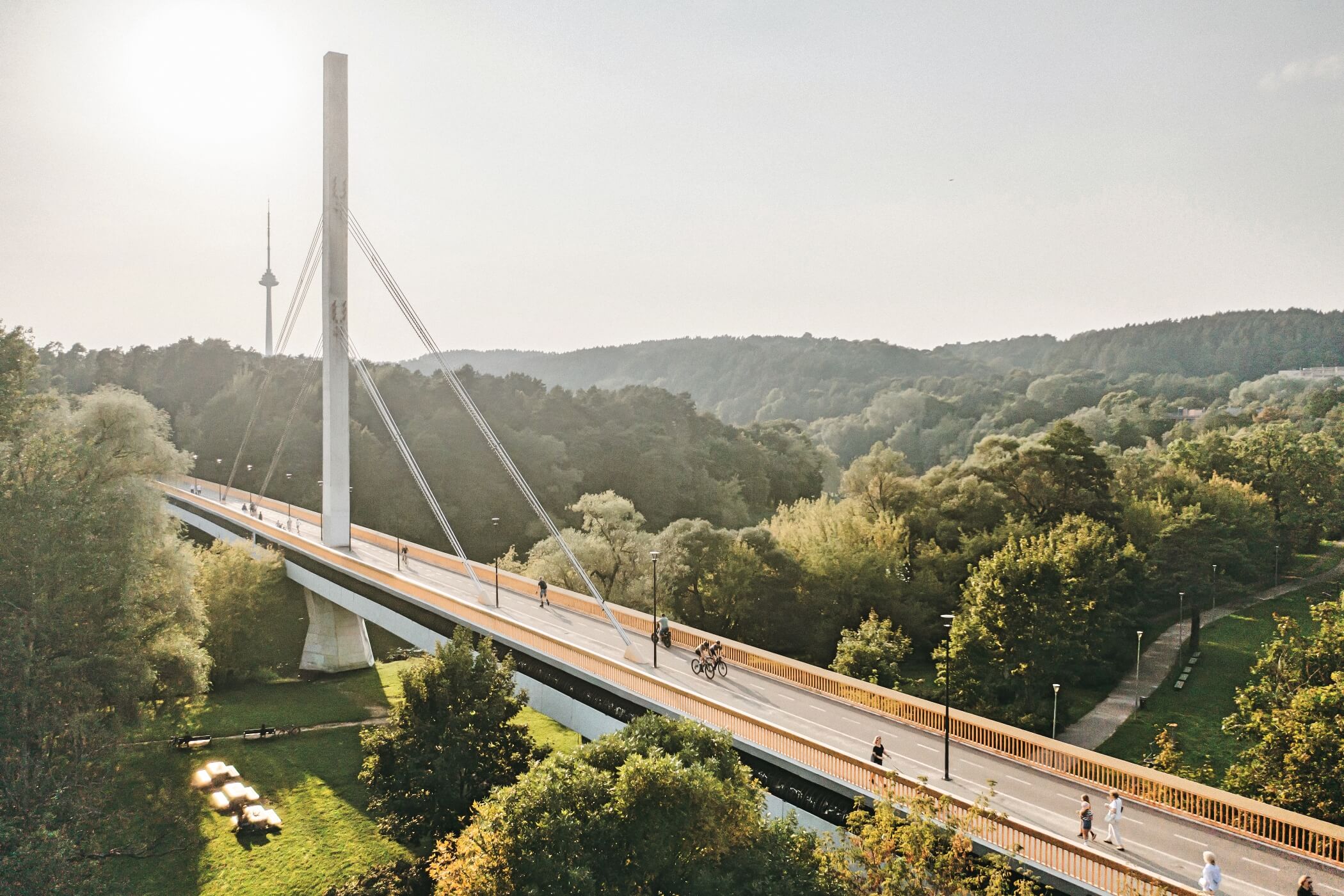
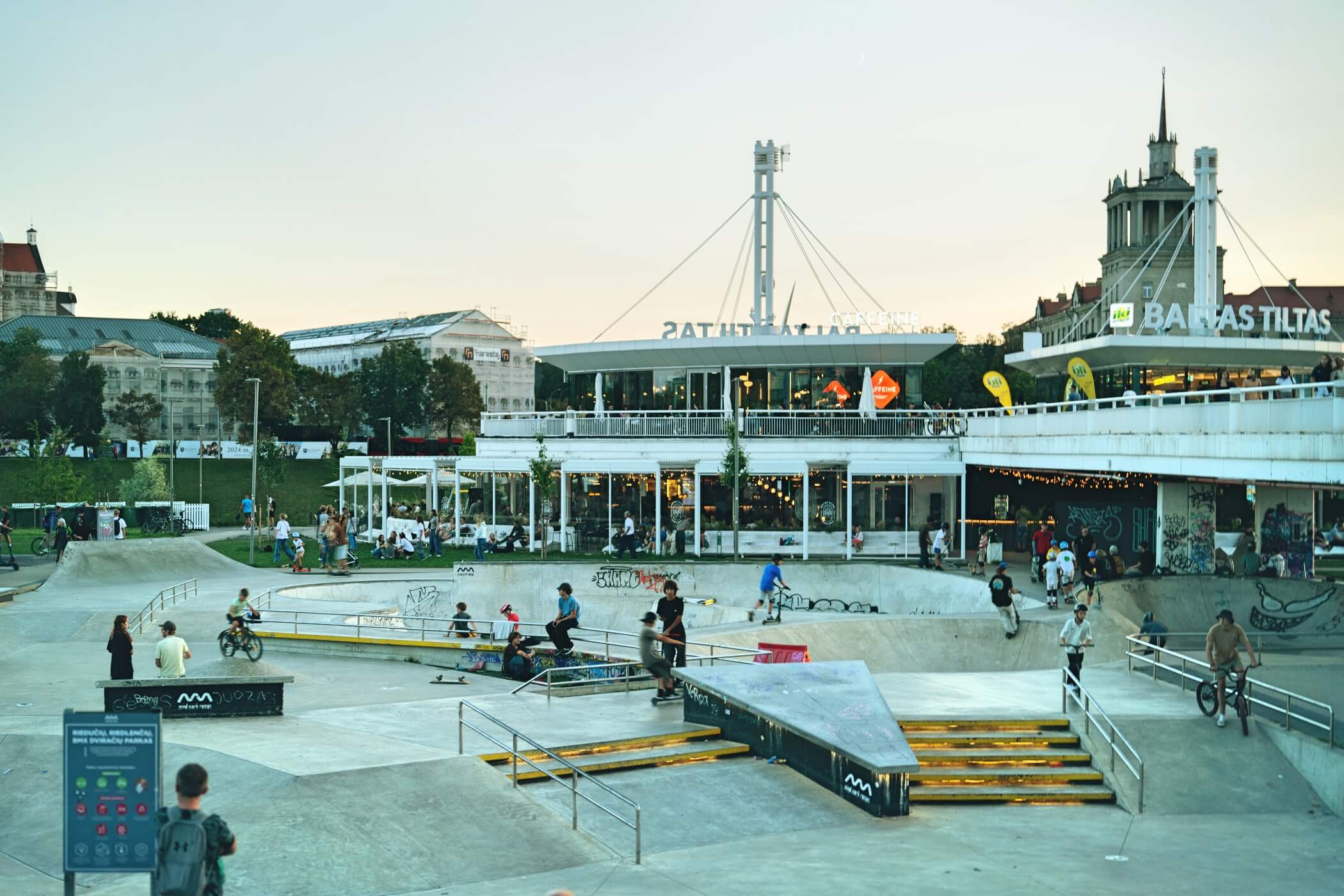
Photo credit: @LithuaniaTravel
Water sports are another highlight of Central Lithuania. The region’s rivers and lakes are perfect for activities such as sailing, kayaking, and water skiing. The Neris River is particularly popular for these activities, with several companies offering equipment rentals and guided tours.
For the more adventurous, there are opportunities for extreme sports such as paragliding and rock climbing. These activities provide a thrilling way to experience Lithuania’s diverse landscapes.
The Curonian Spit: Coastal Luxury and Natural Beauty
The Curonian Spit: A Coastal Paradise
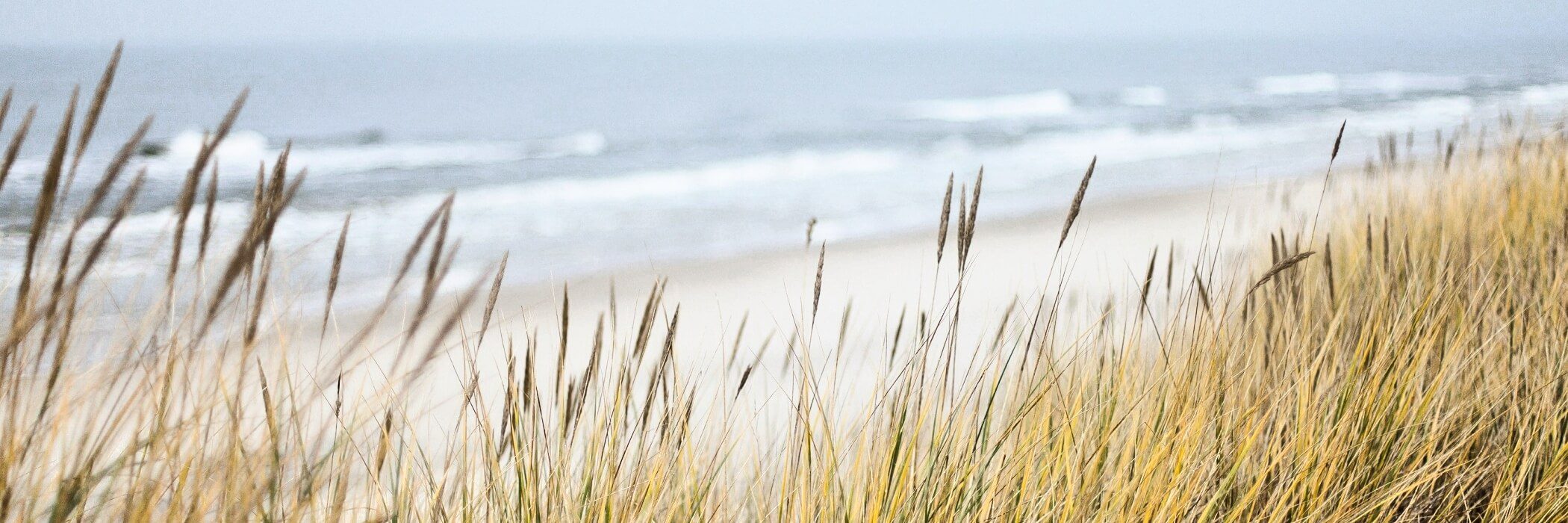
The Curonian Spit is one of Lithuania’s most unique natural attractions, a narrow strip of land that separates the Curonian Lagoon from the Baltic Sea.
This UNESCO World Heritage site is known for its stunning dunes, dense pine forests, and charming fishing villages. The Spit’s pristine beaches and tranquil waters make it an ideal destination for luxury travellers seeking a seaside retreat.
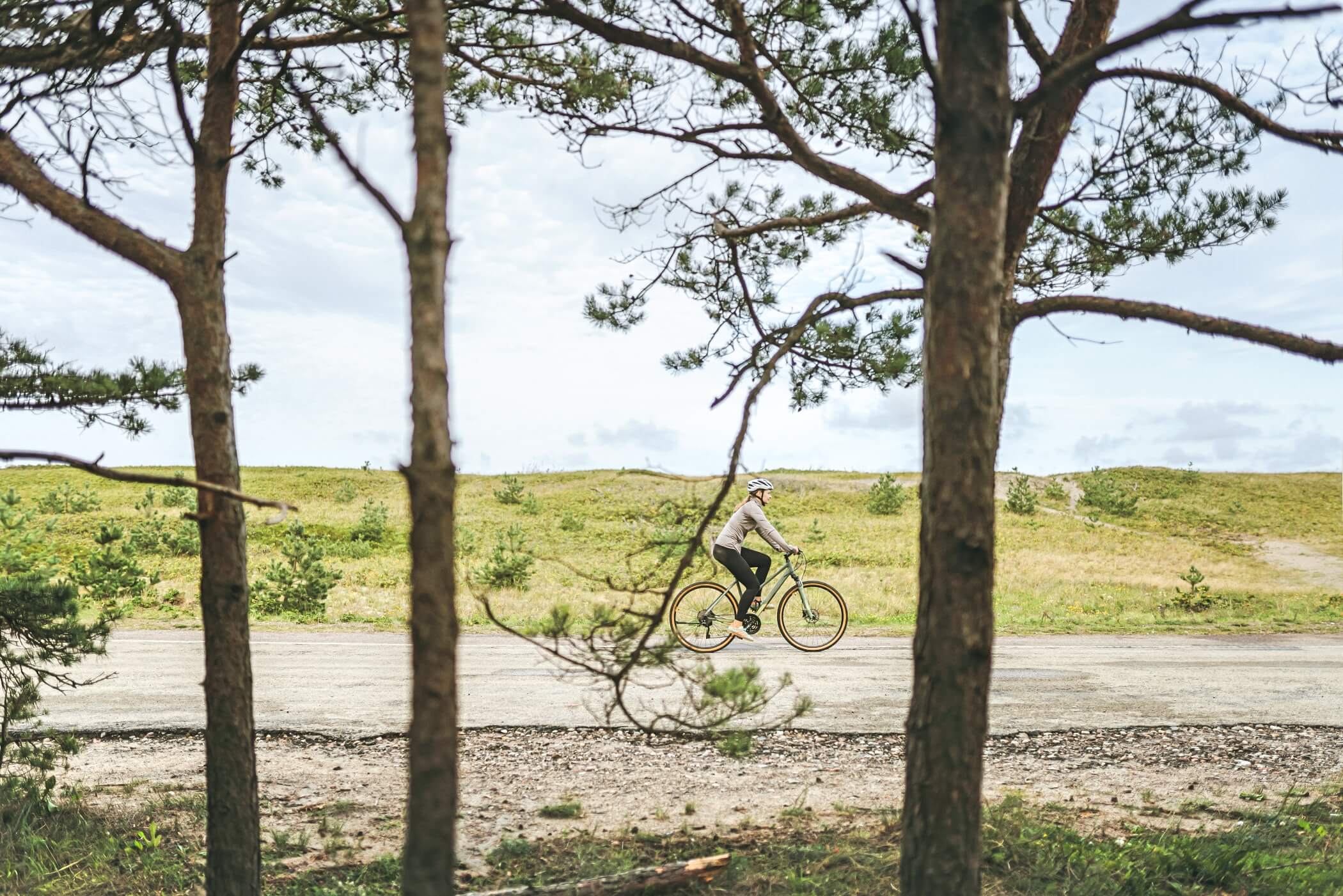
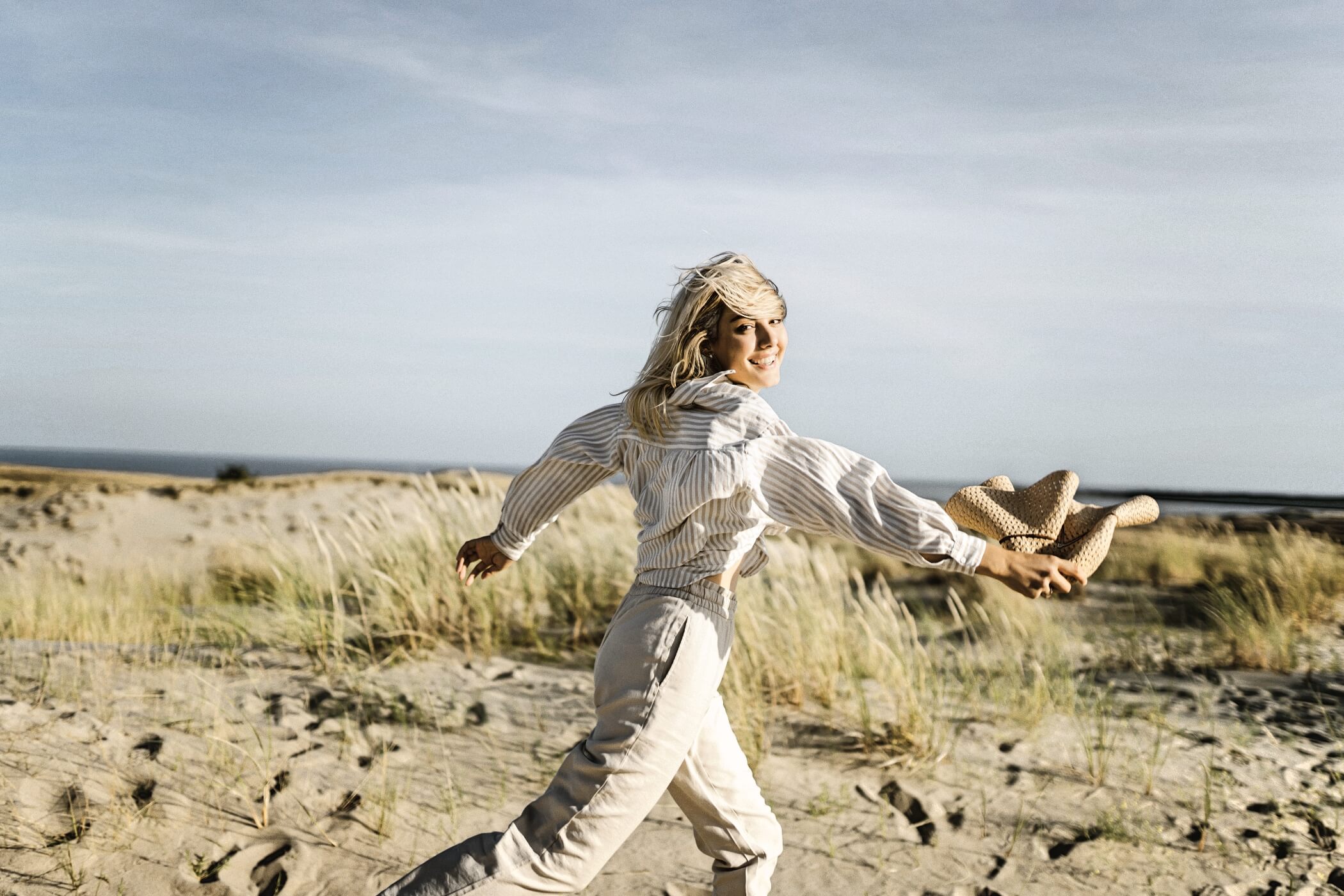
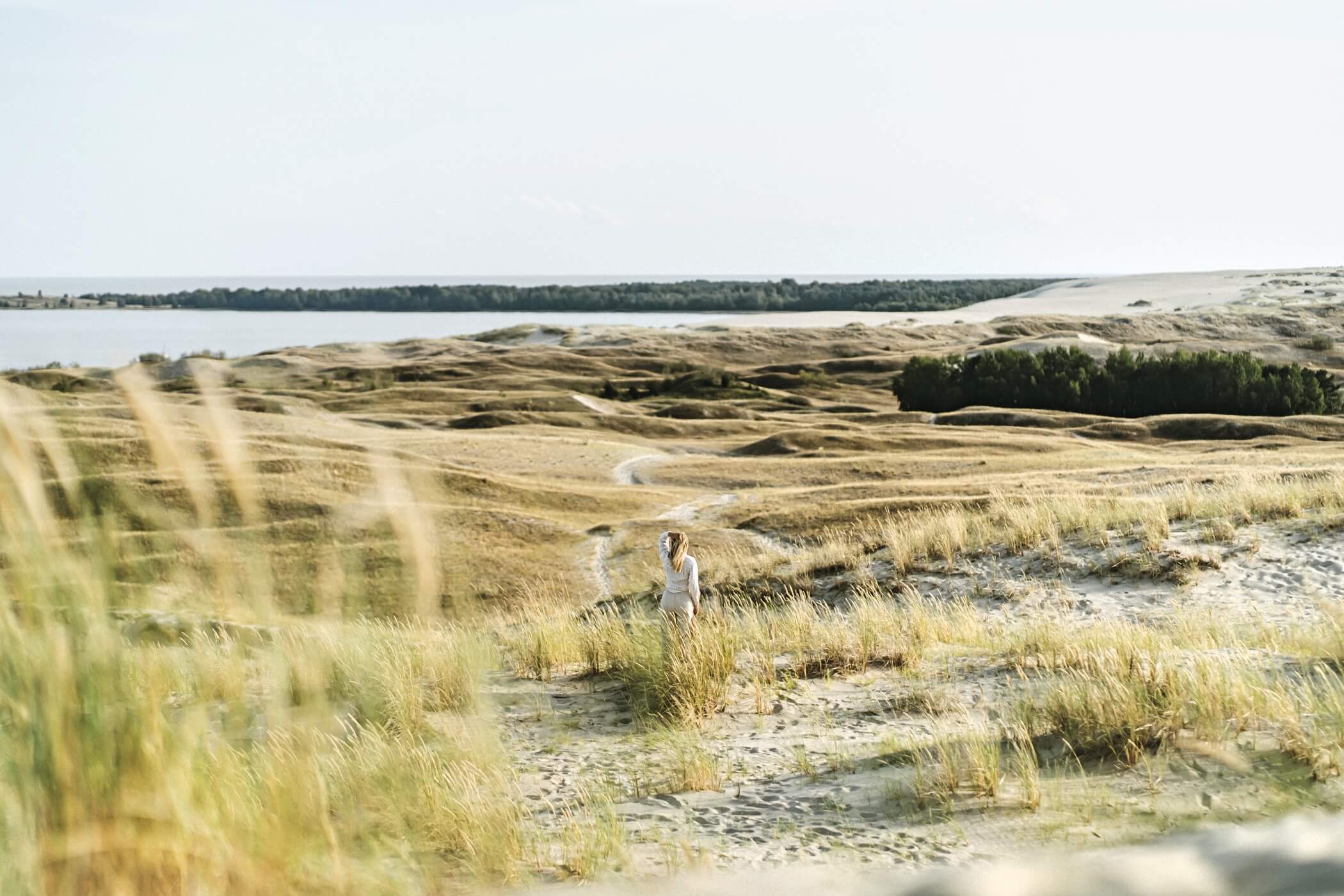
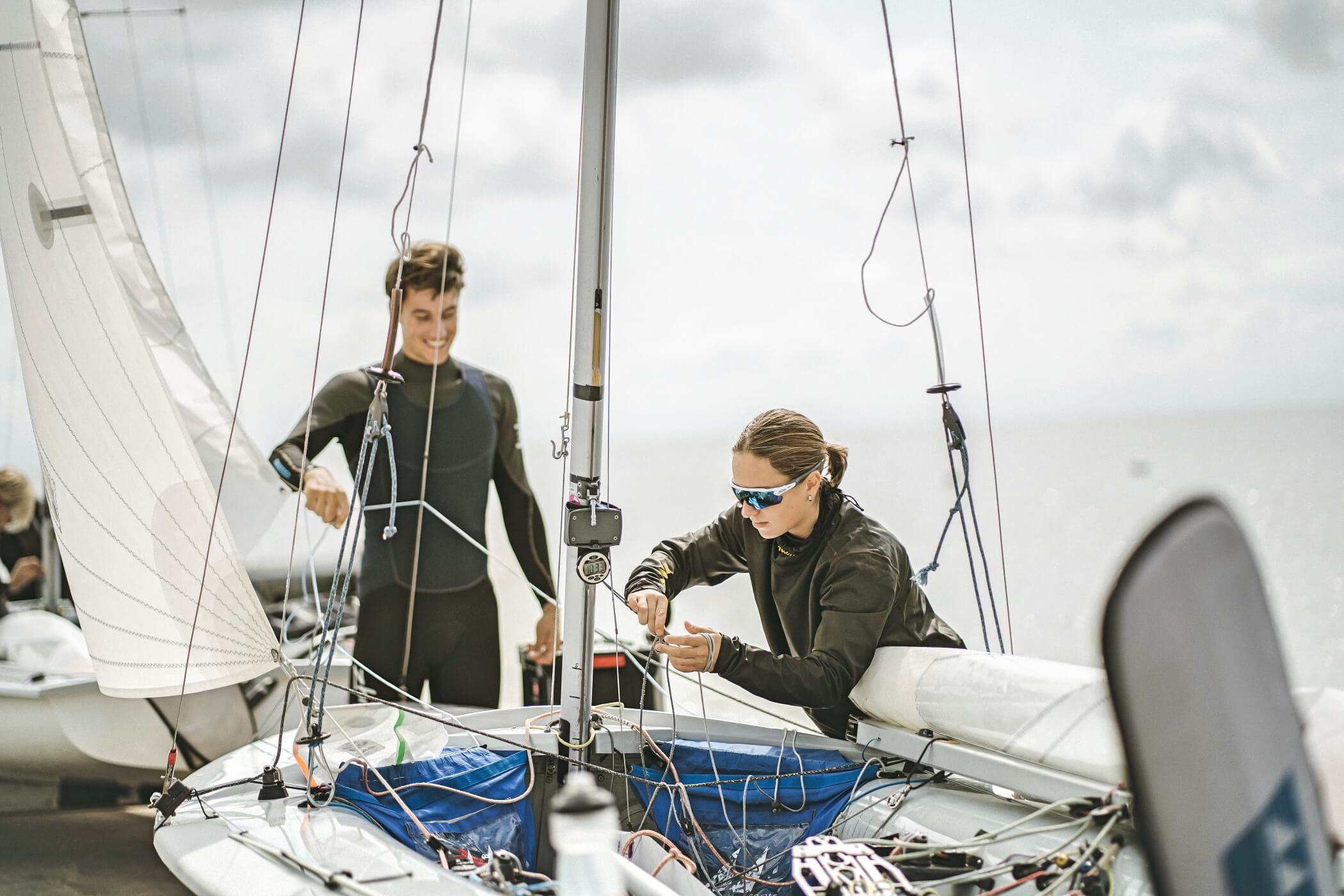
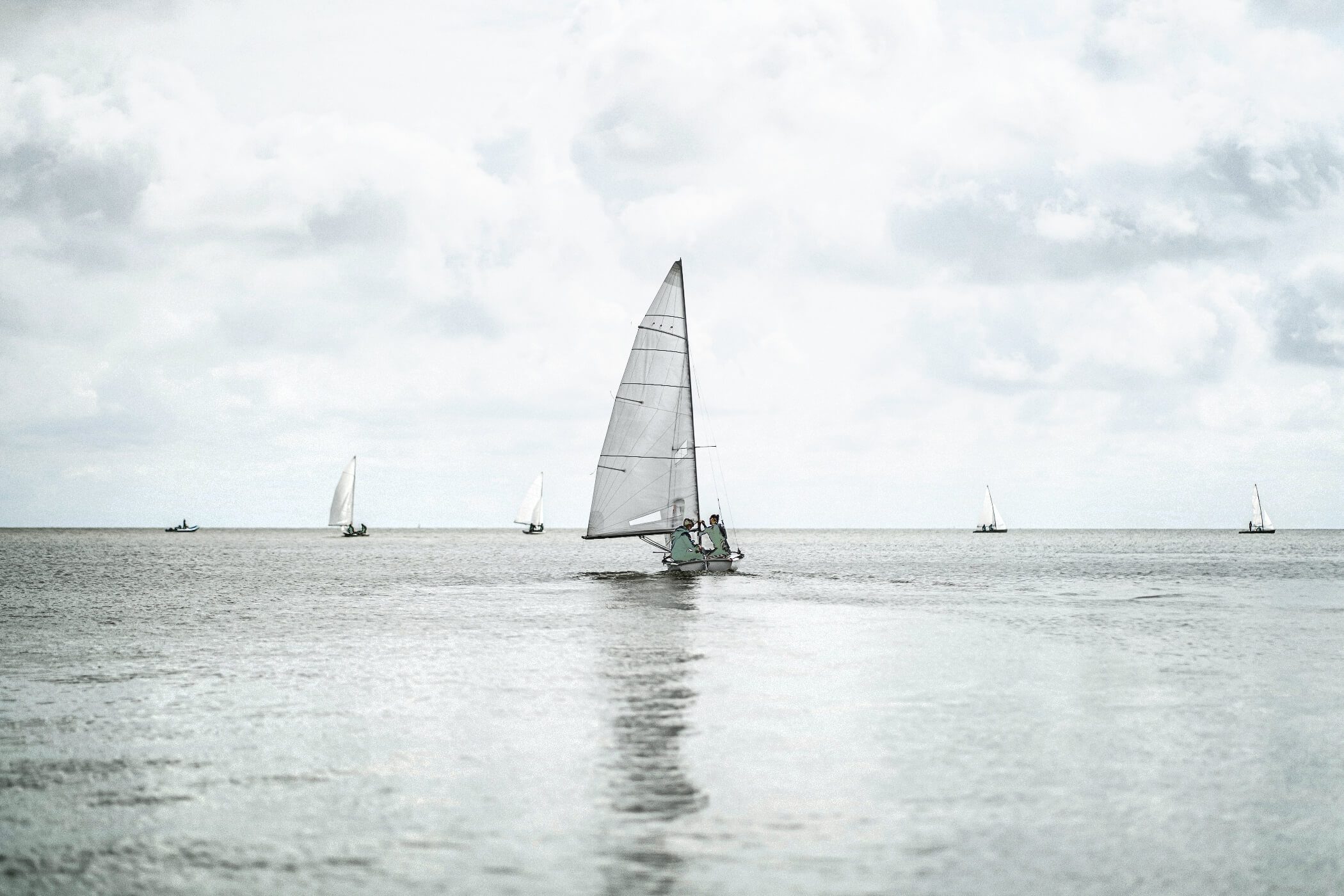
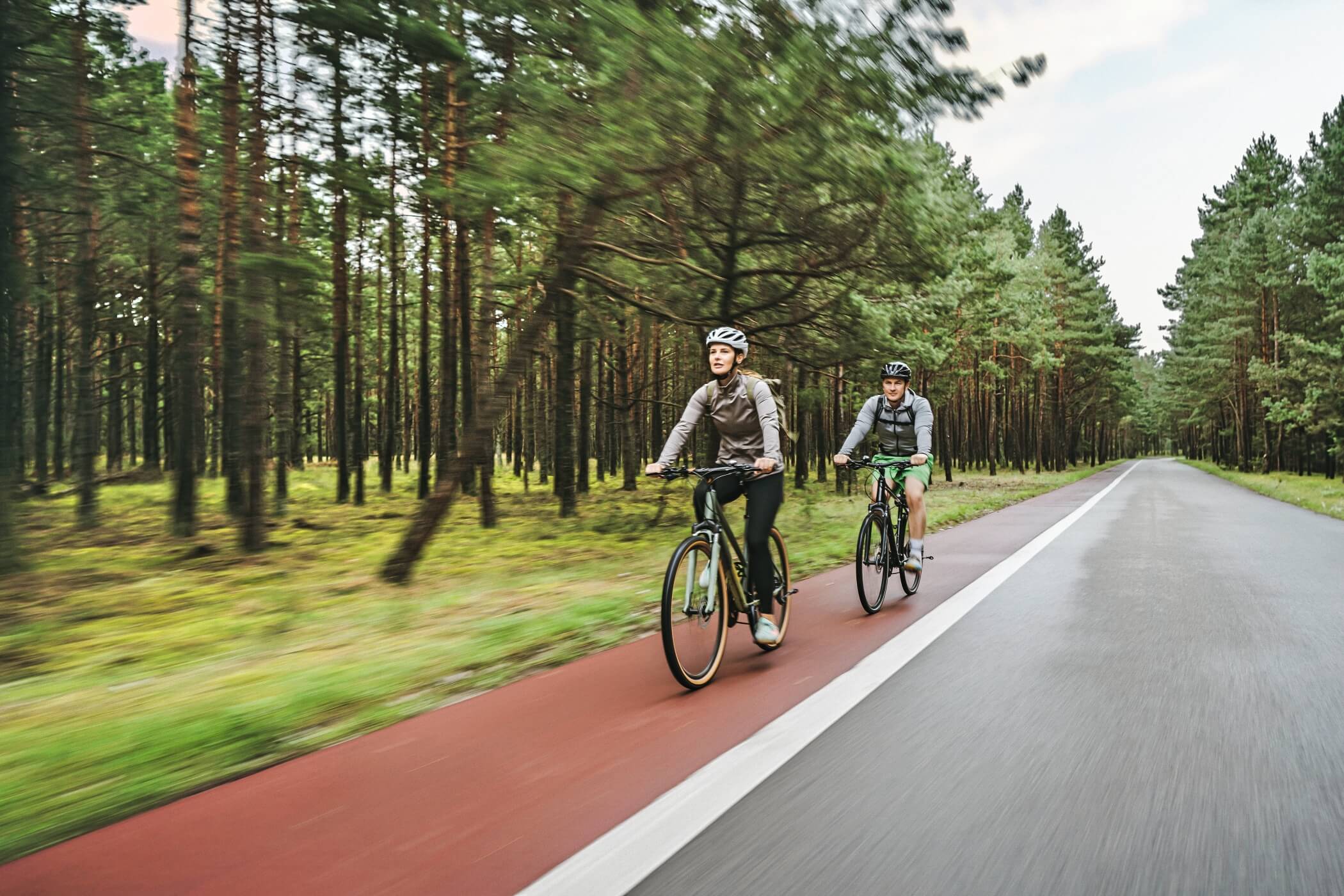
Photo credit: @LithuaniaTravel
Nida, the largest town on the Curonian Spit, is a hub of luxury tourism. The town’s upscale resorts and spa hotels offer world-class accommodations with breathtaking views of the sea and dunes. Visitors can relax on private beaches, indulge in spa treatments, or explore the surrounding nature on guided tours.

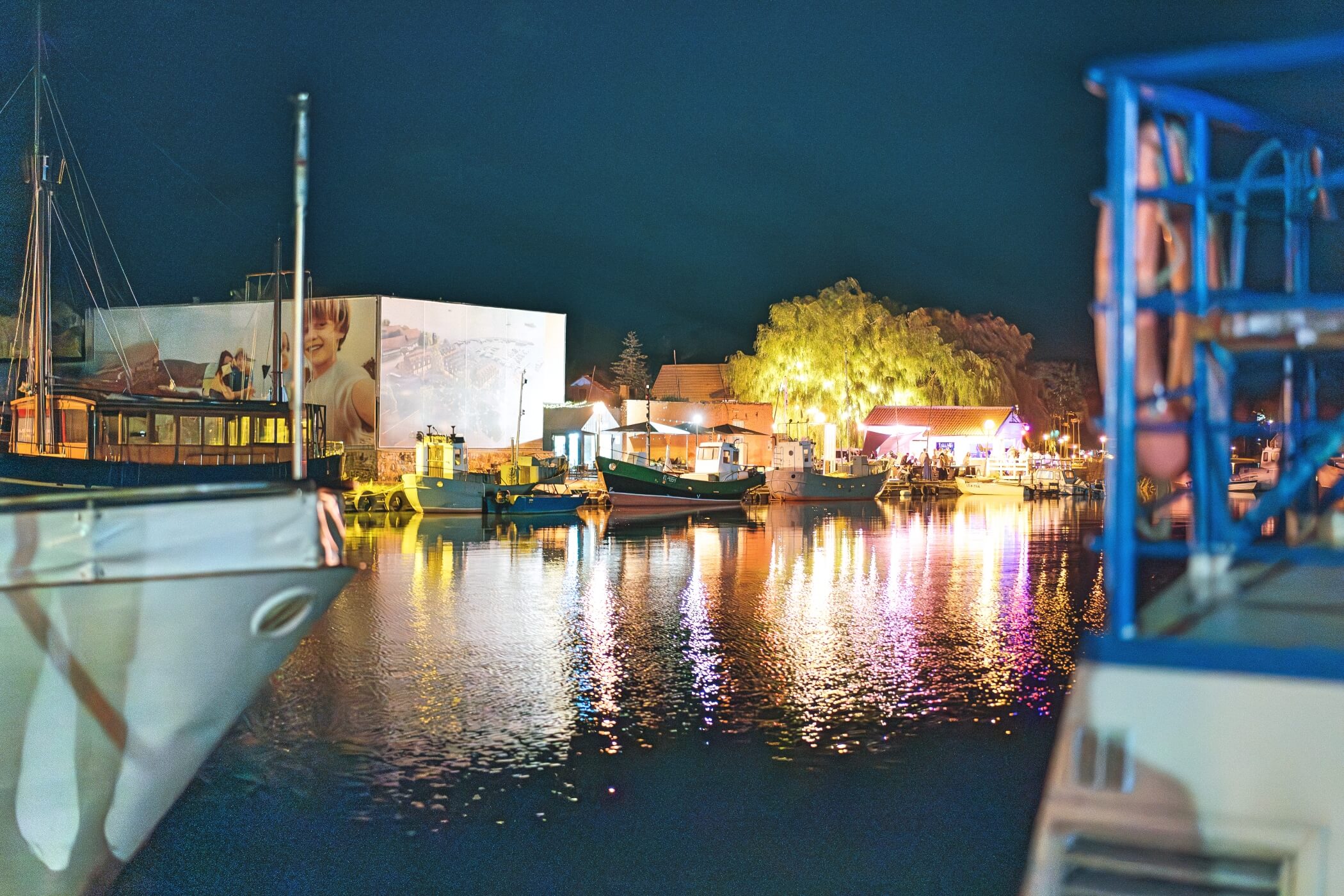
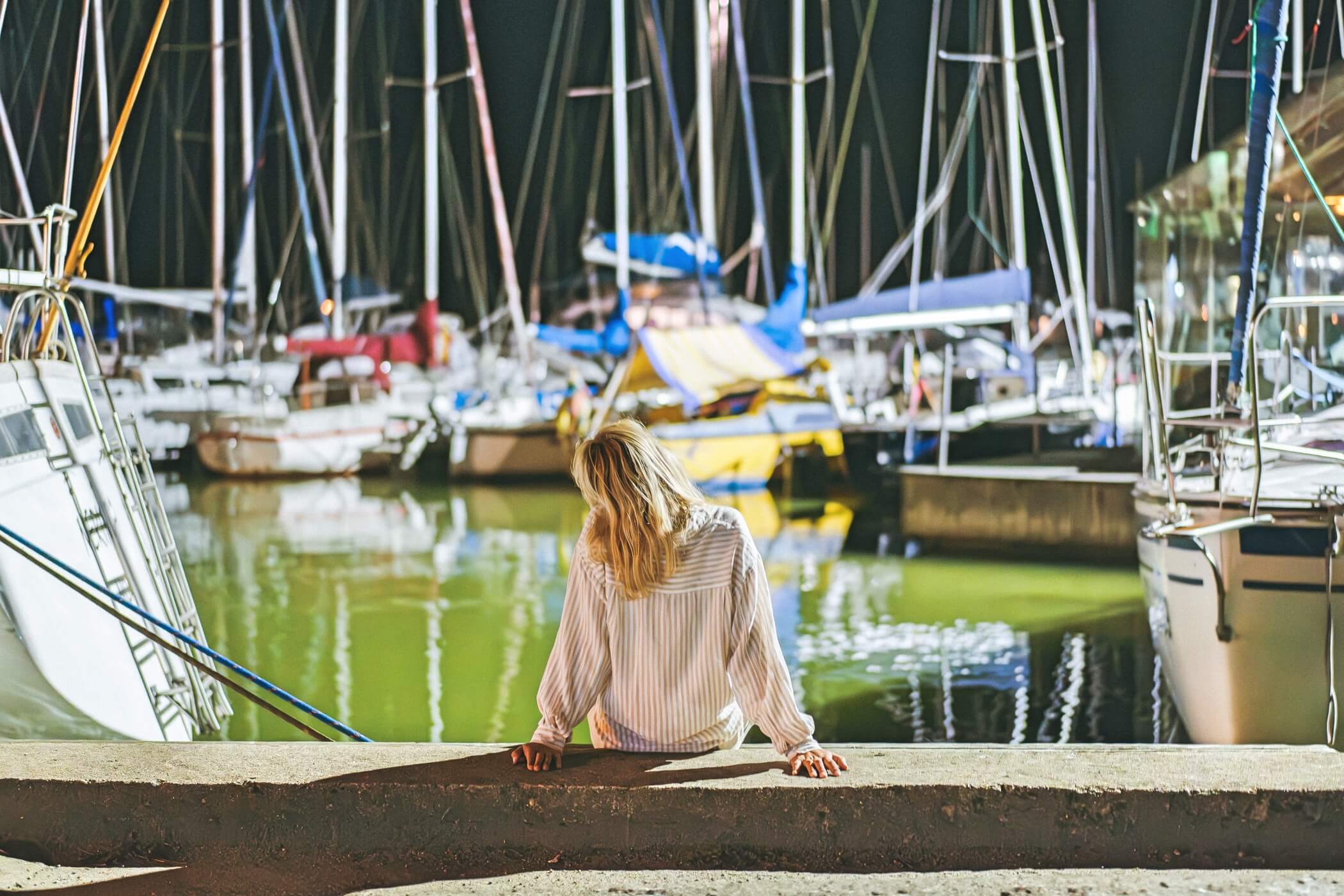
Photo credit: @LithuaniaTravel
The Curonian Spit is also a paradise for outdoor enthusiasts. The Spit’s cycling and hiking trails wind through some of the most beautiful landscapes in Lithuania, offering spectacular views of the dunes, forests, and sea. The Dead Dunes, a series of shifting dunes, are a highlight of any visit to the Spit. These otherworldly landscapes provide a unique backdrop for hiking and photography.
For those who prefer water activities, the Curonian Lagoon is perfect for sailing, kite surfing, and stand-up paddle-boarding. The calm waters and steady winds make it an ideal spot for both beginners and experienced sailors alike.
Trakai and Eastern Lithuania: Historical Elegance and Outdoor Adventure
Trakai: A Medieval Gem
Trakai, located just 28 kilometres west of Vilnius, is a town steeped in history. Its most famous landmark, Trakai Island Castle, is a stunning example of medieval architecture, set on an island in the middle of Lake Galvė. The castle appears as if lifted from the pages of a fairy tale, housing a museum that showcases Lithuania’s history.
Karaim Street, named after the Karaim community, offers a glimpse into the town’s multicultural heritage. Visitors can sample traditional Karaim dishes, such as kibinai, adding a culinary dimension to their historical exploration.
Luxury travellers will find Trakai to be a haven of relaxation and refinement.
The town’s lakeside resorts offer opulent accommodations with spa services, private balconies, and gourmet dining options. Guests can enjoy panoramic views of Lake Galvė from their rooms or unwind with a massage in one of the many wellness centres.
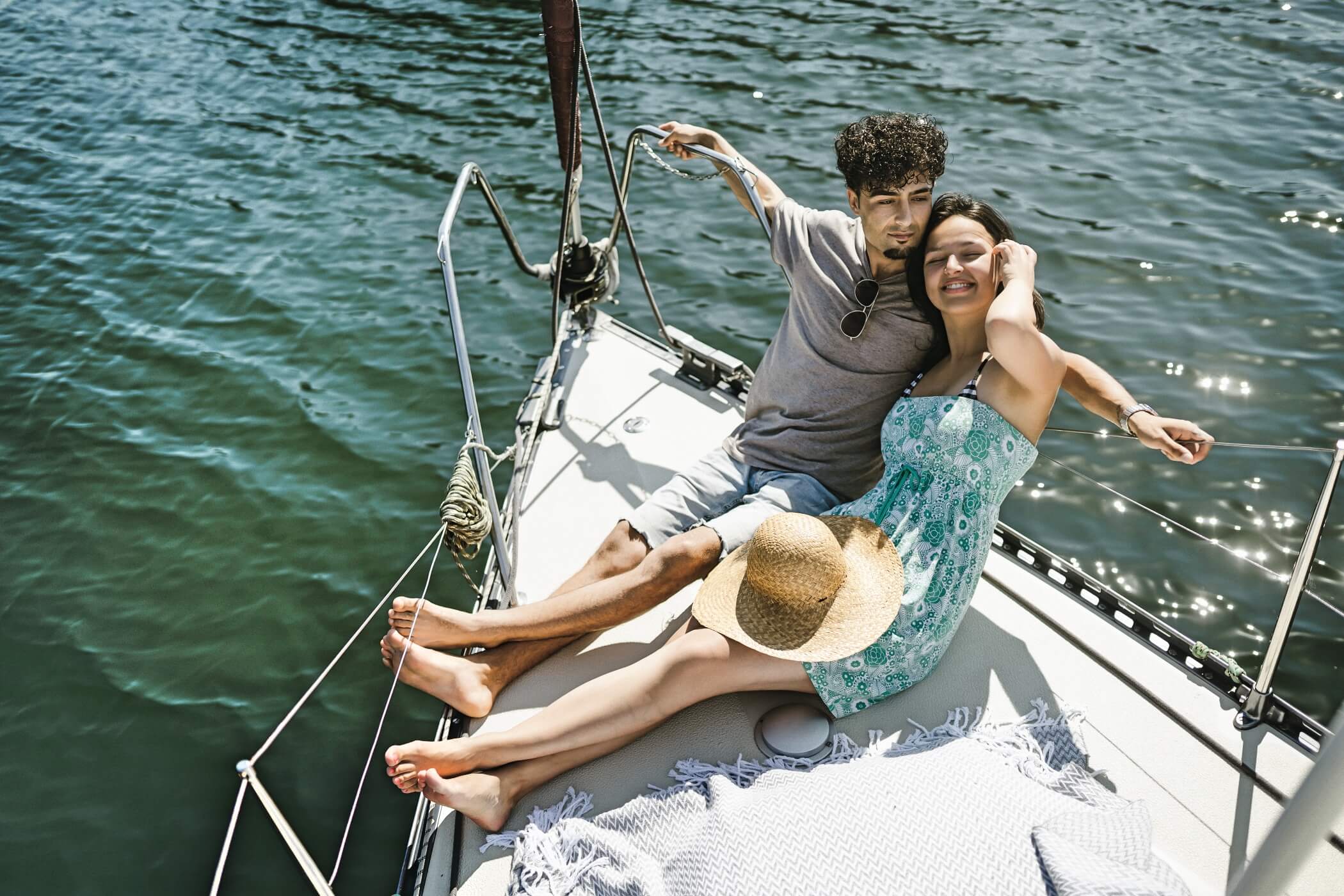
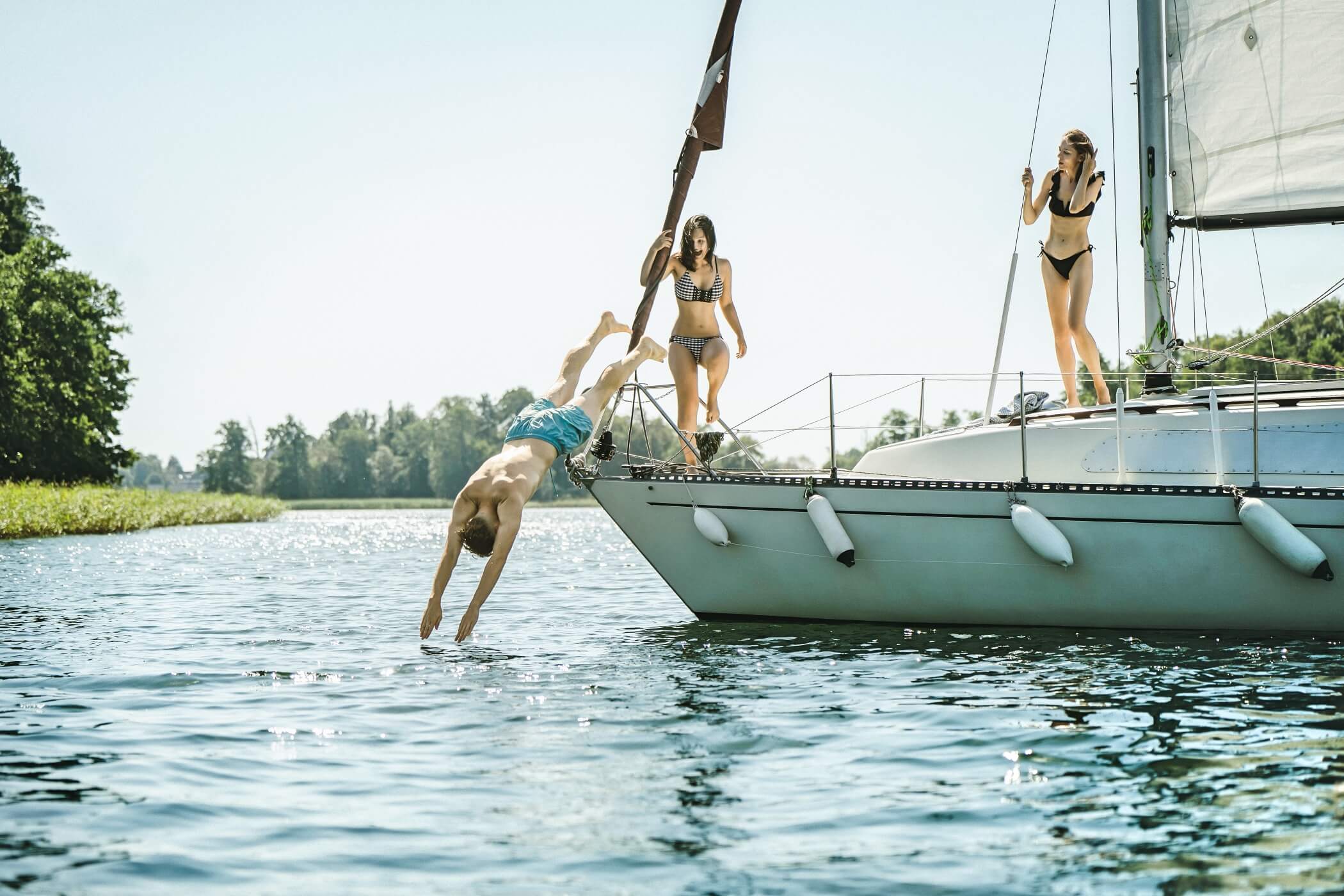
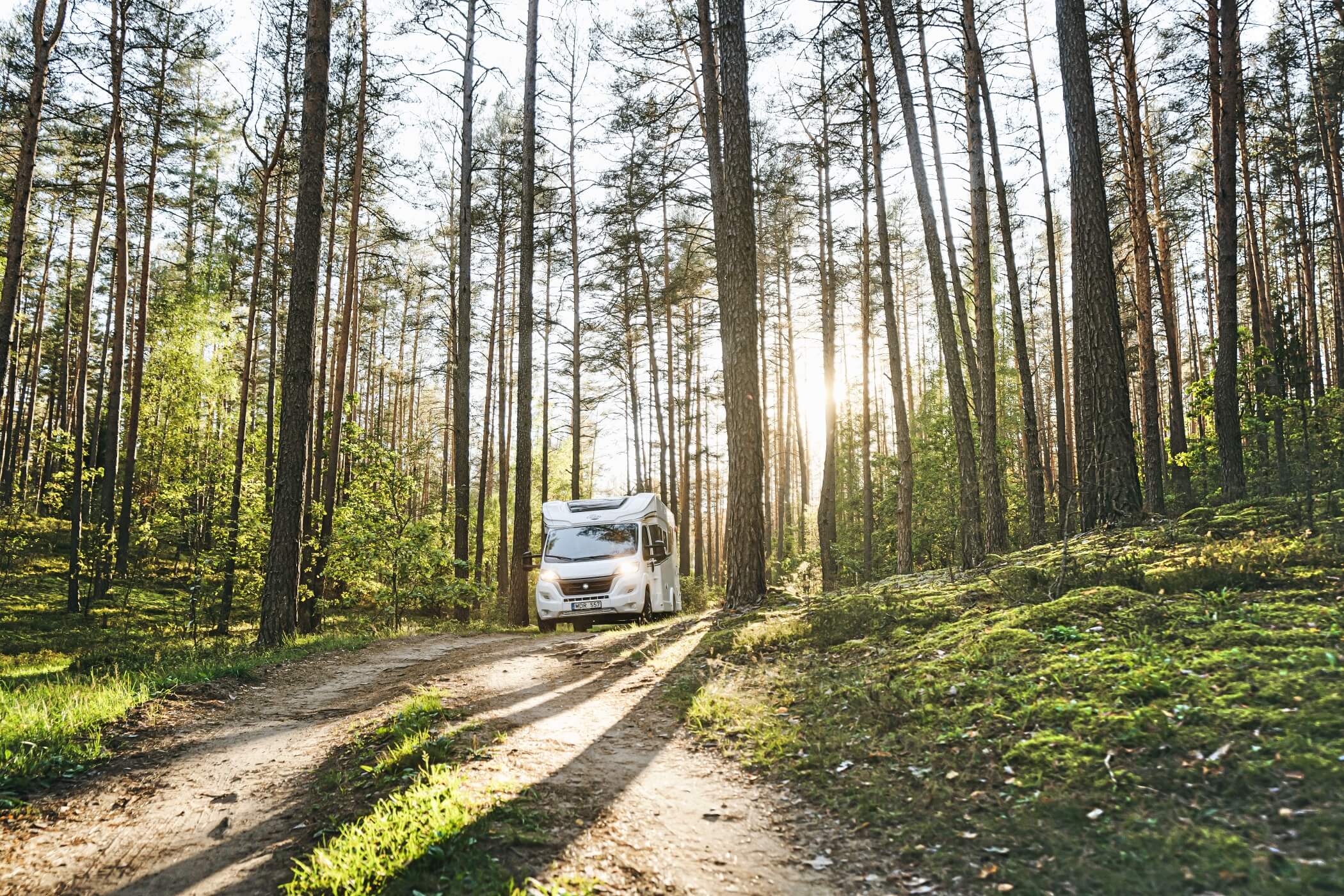
Photo credit: @LithuaniaTravel
Outdoor Adventures in Eastern Lithuania
Eastern Lithuania is a region of natural beauty and outdoor adventure.
The area is known for its lakes, forests, and rolling hills, making it a popular destination for activities such as hiking, cycling, and water sports. Aukštaitija National Park, the oldest national park in Lithuania, is a prime destination for nature lovers. The park is home to over 100 lakes, dense forests, and a rich diversity of wildlife.
One of the highlights of Aukštaitija National Park is Lake Dringis, the largest lake in the park. The lake is ideal for swimming, kayaking, and fishing, with several rental facilities available for those looking to spend a day on the water.
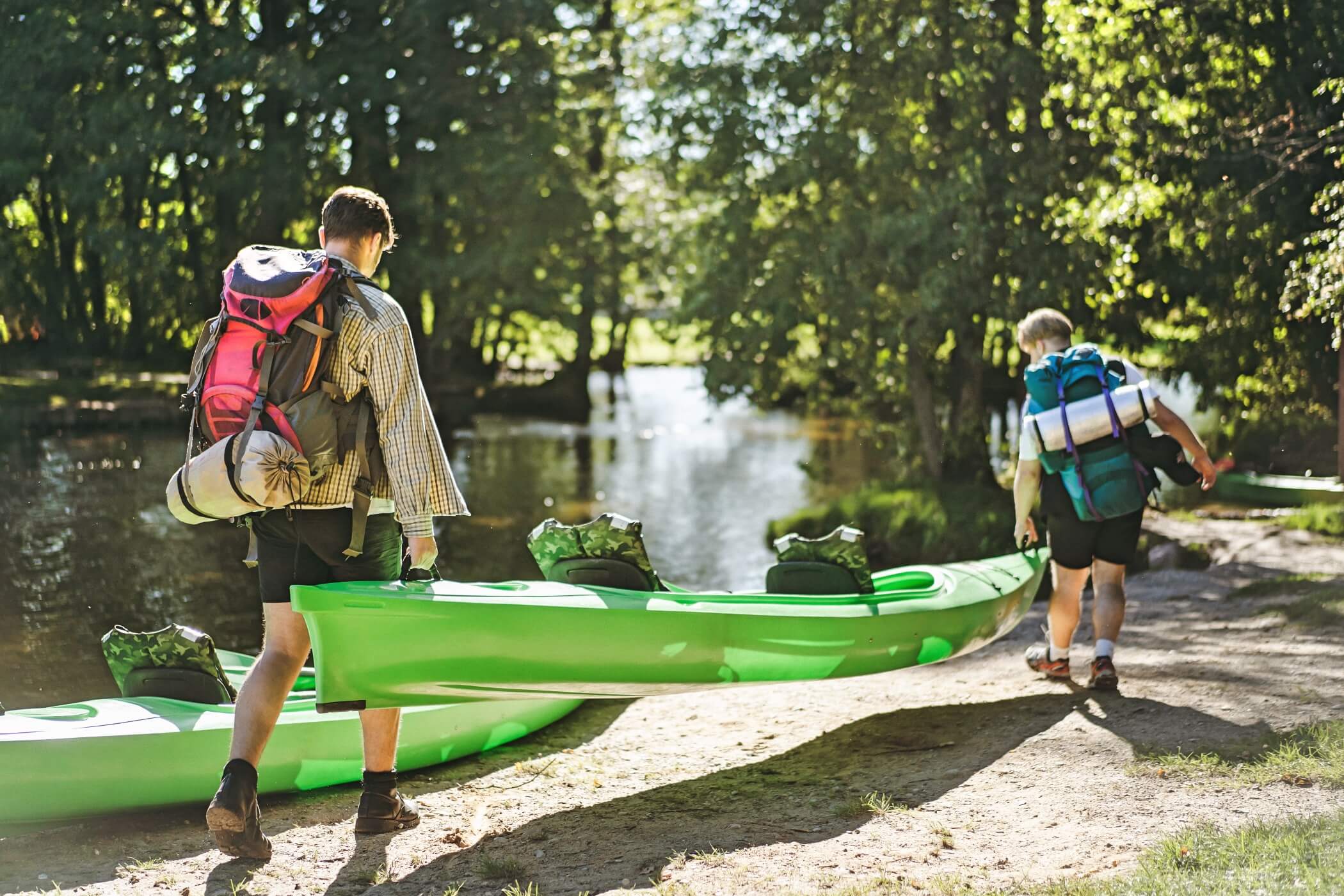
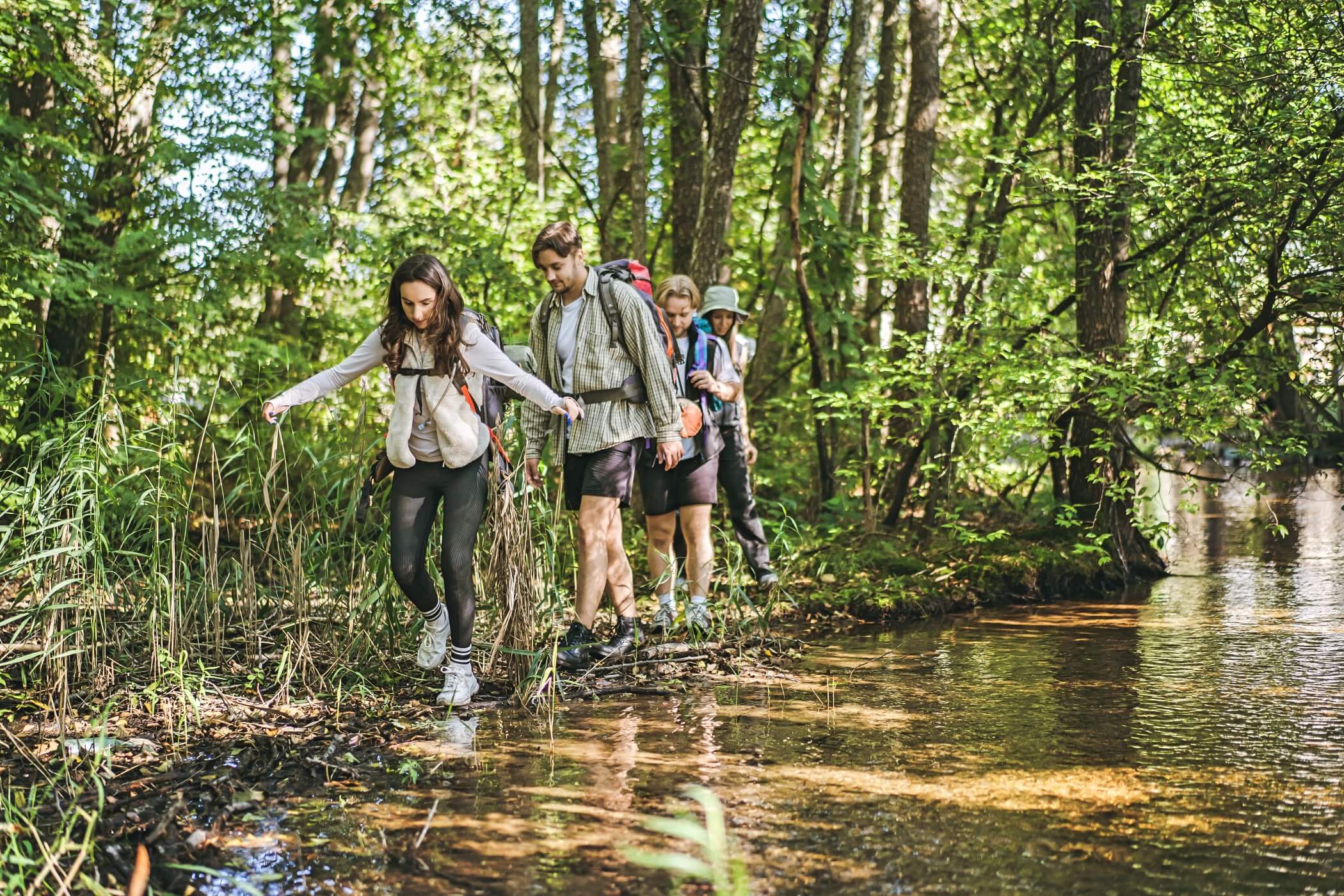
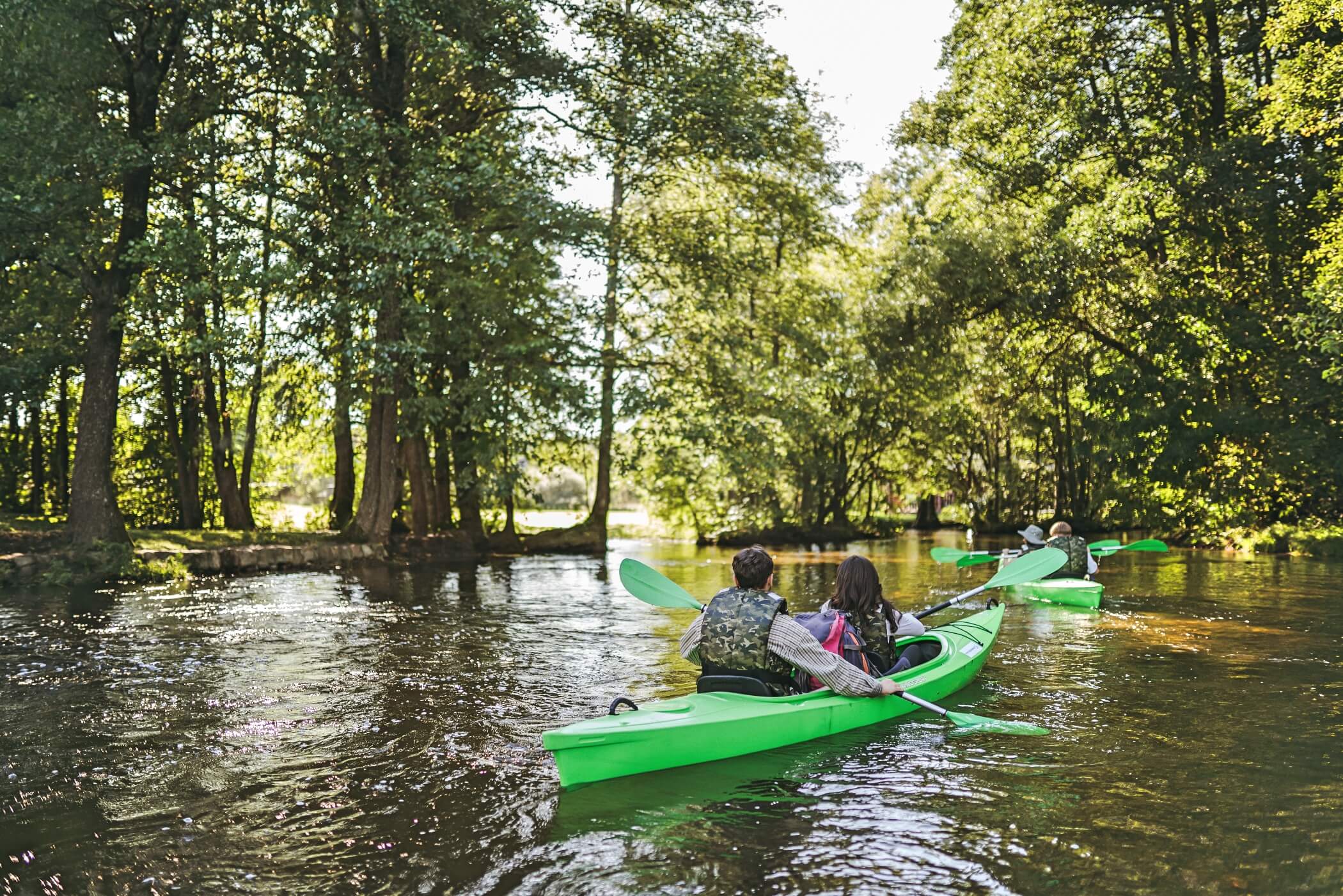
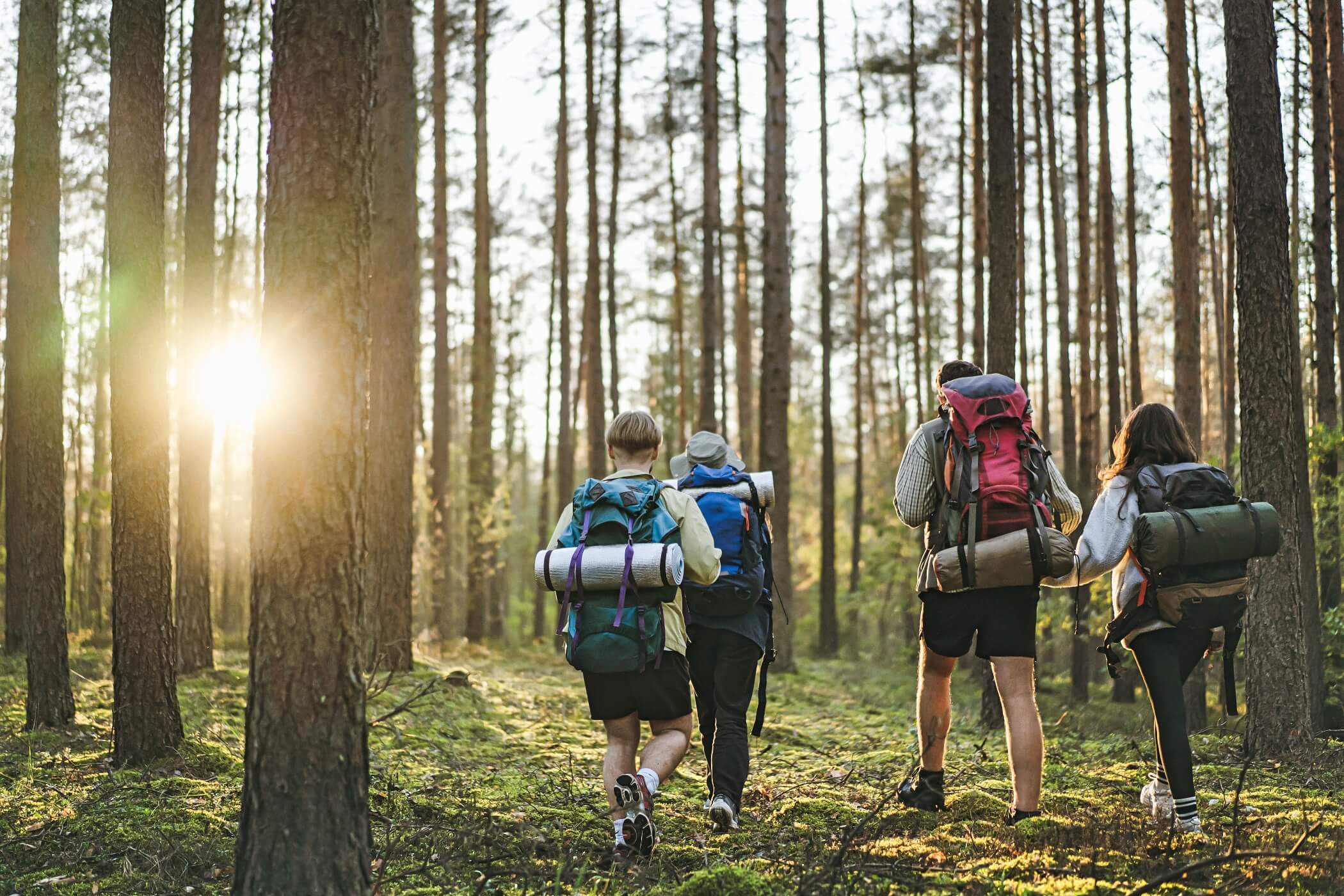
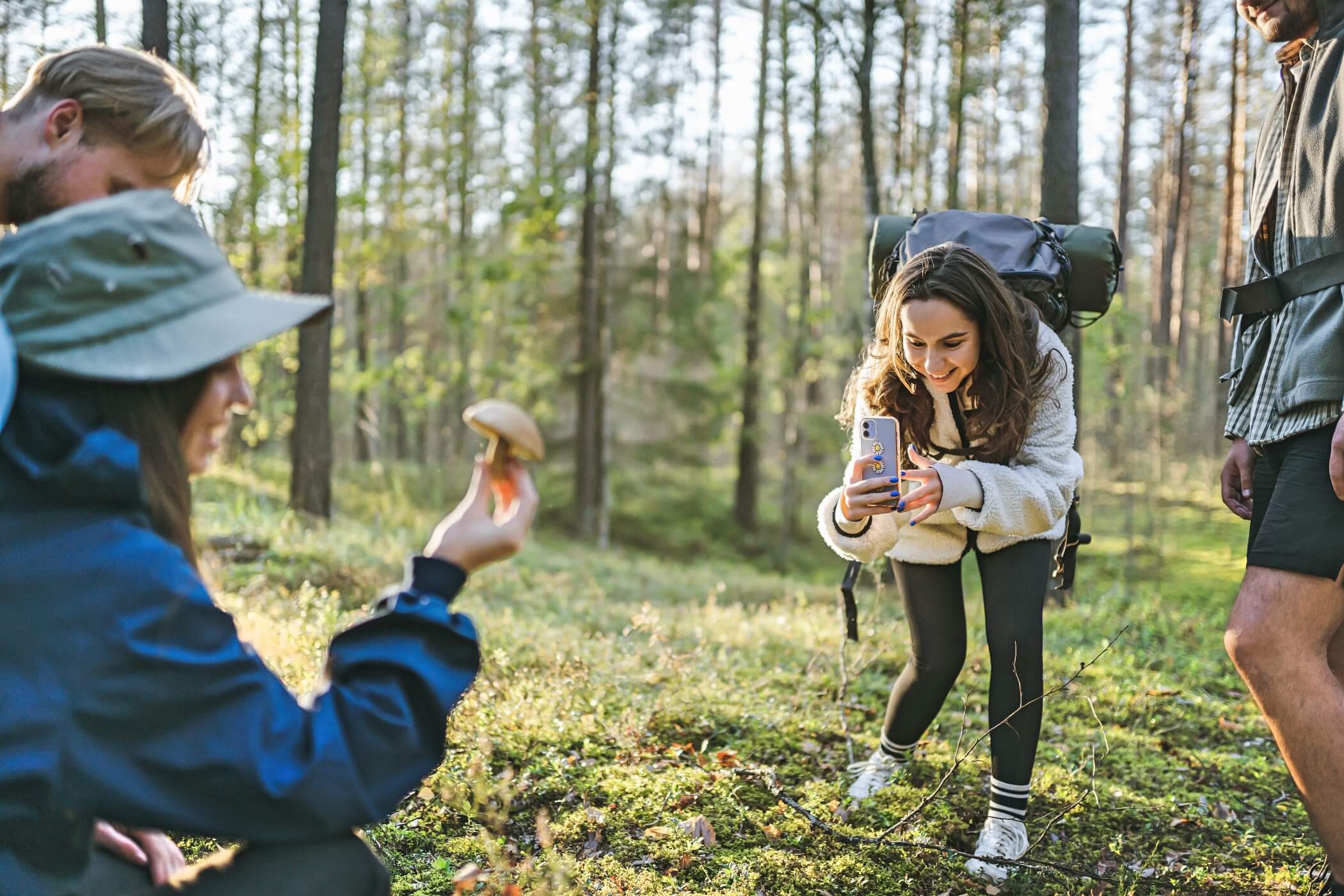
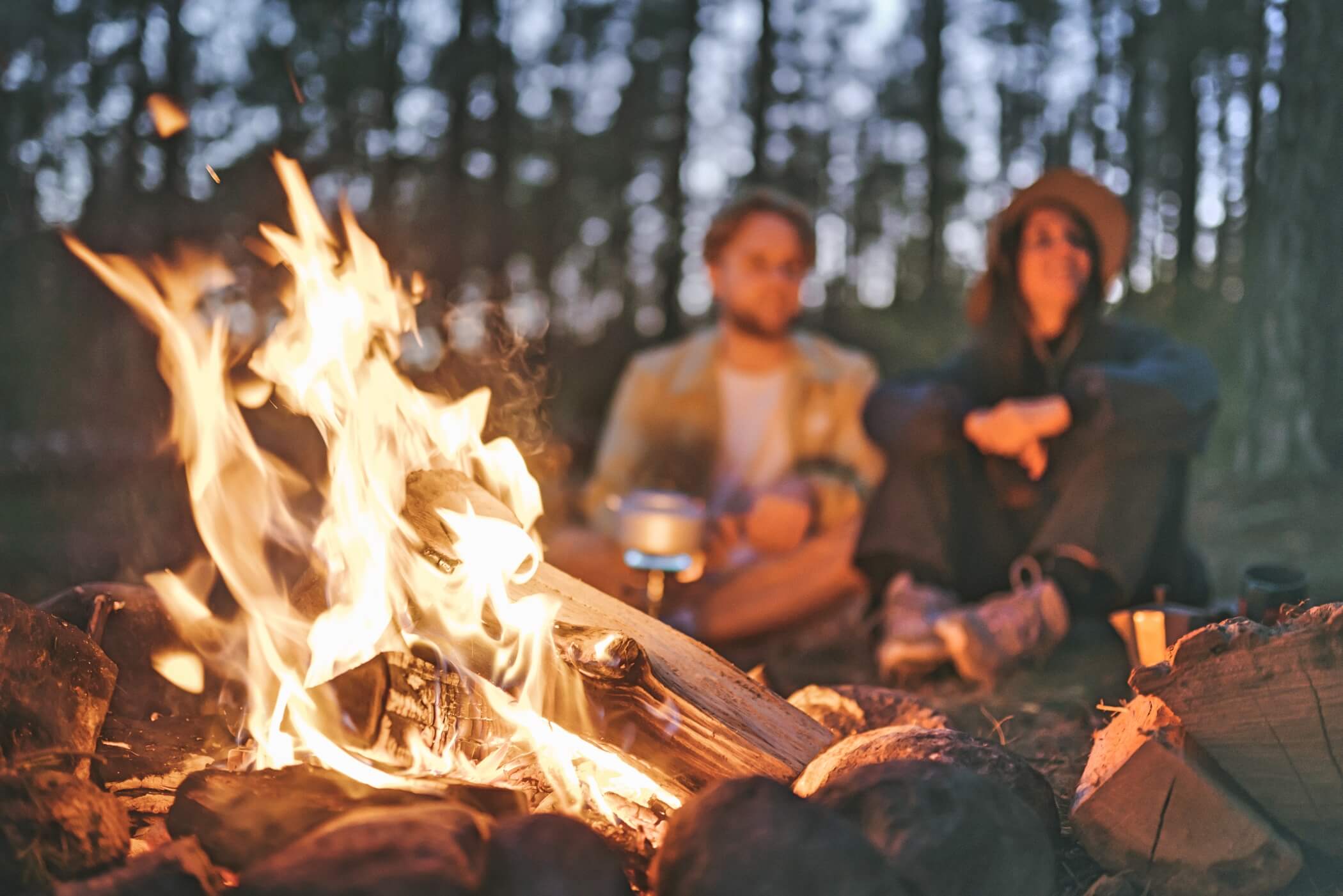
Photo credit: @LithuaniaTravel
In addition to its natural attractions, Eastern Lithuania is also known for its traditional crafts and cultural heritage. The region is dotted with small villages where visitors can learn about traditional Lithuanian pottery, weaving, and woodworking.
The Lithuanian Seaside: Coastal Elegance and Maritime Traditions
Klaipėda: A Gateway to the Sea
Klaipėda, Lithuania’s third-largest city and its only seaport is a vibrant destination that combines coastal charm with urban sophistication.
The city’s historic Old Town, with its cobblestone streets and half-timbered houses, reflects its German heritage, while its modern port facilities connect Lithuania to the wider world. Klaipėda is the gateway to the Curonian Spit, making it a strategic base for exploring the region’s coastal attractions.
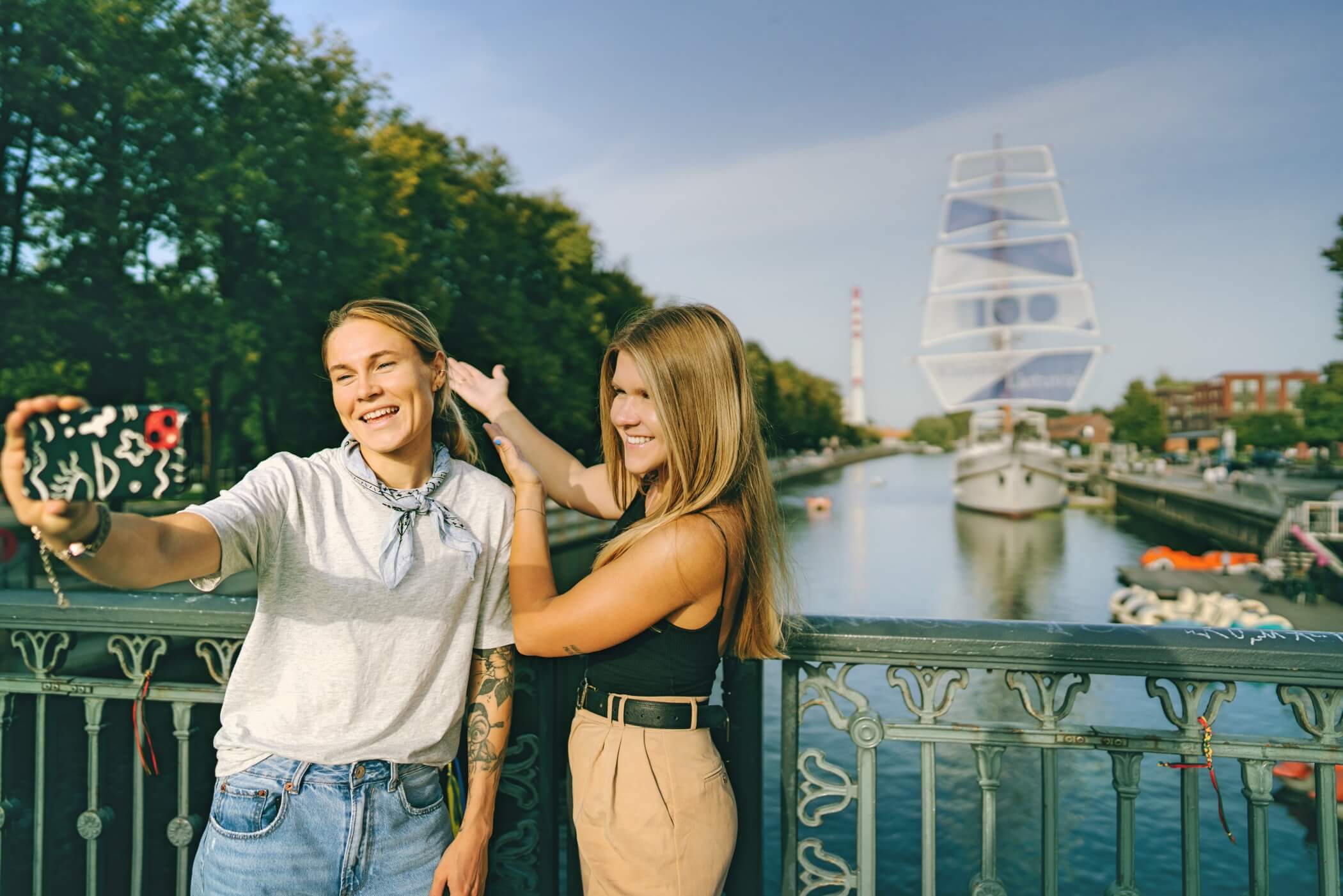
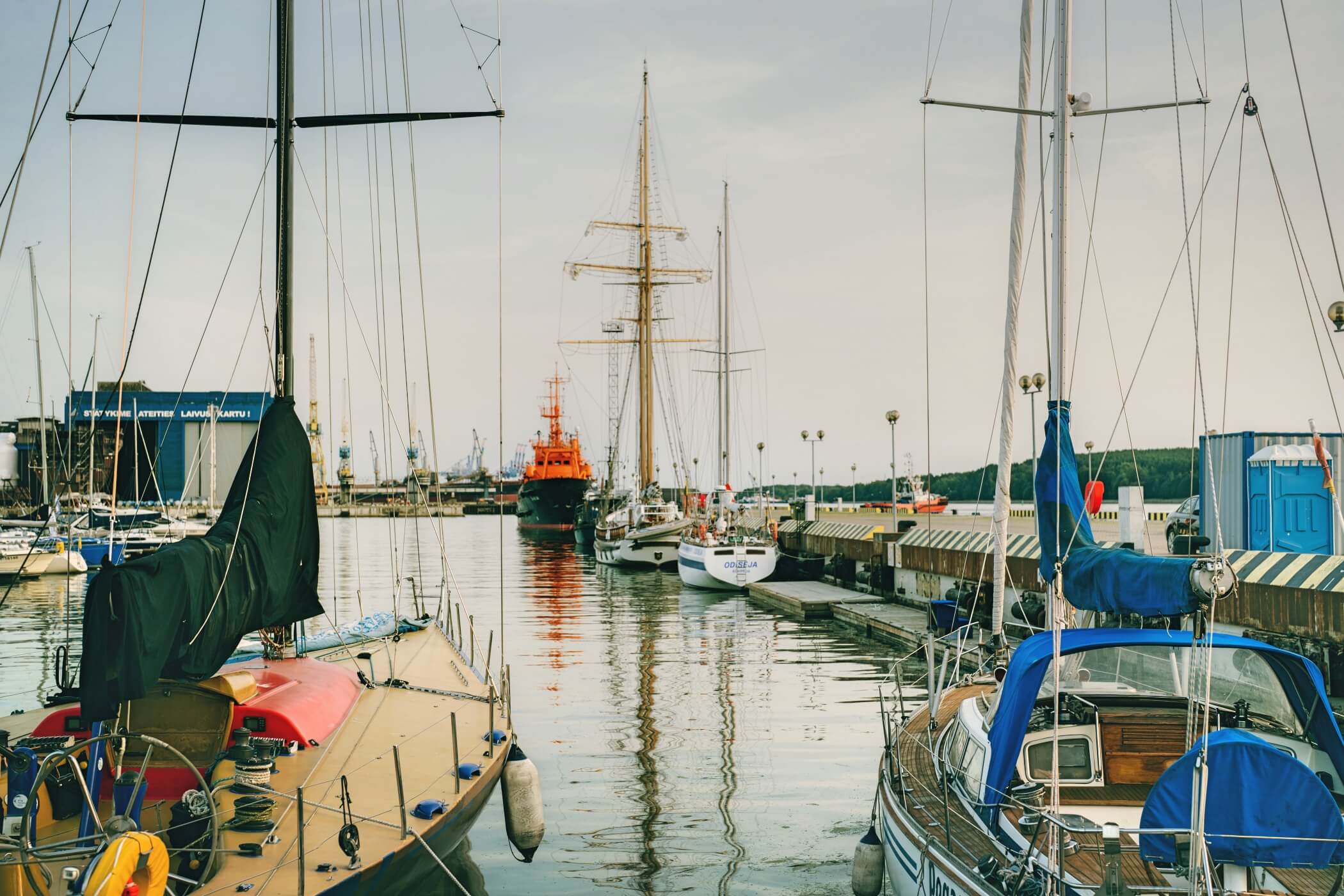
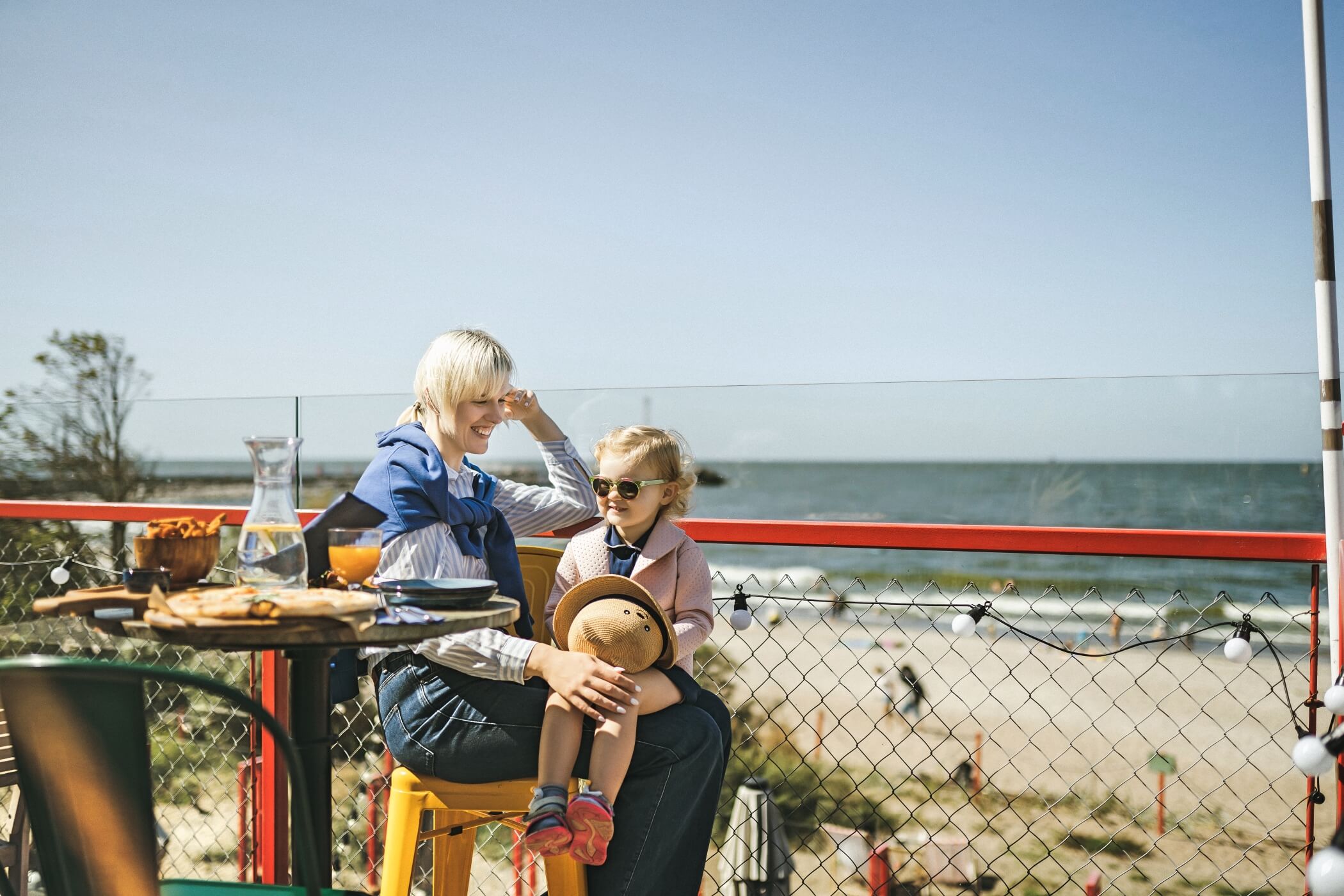
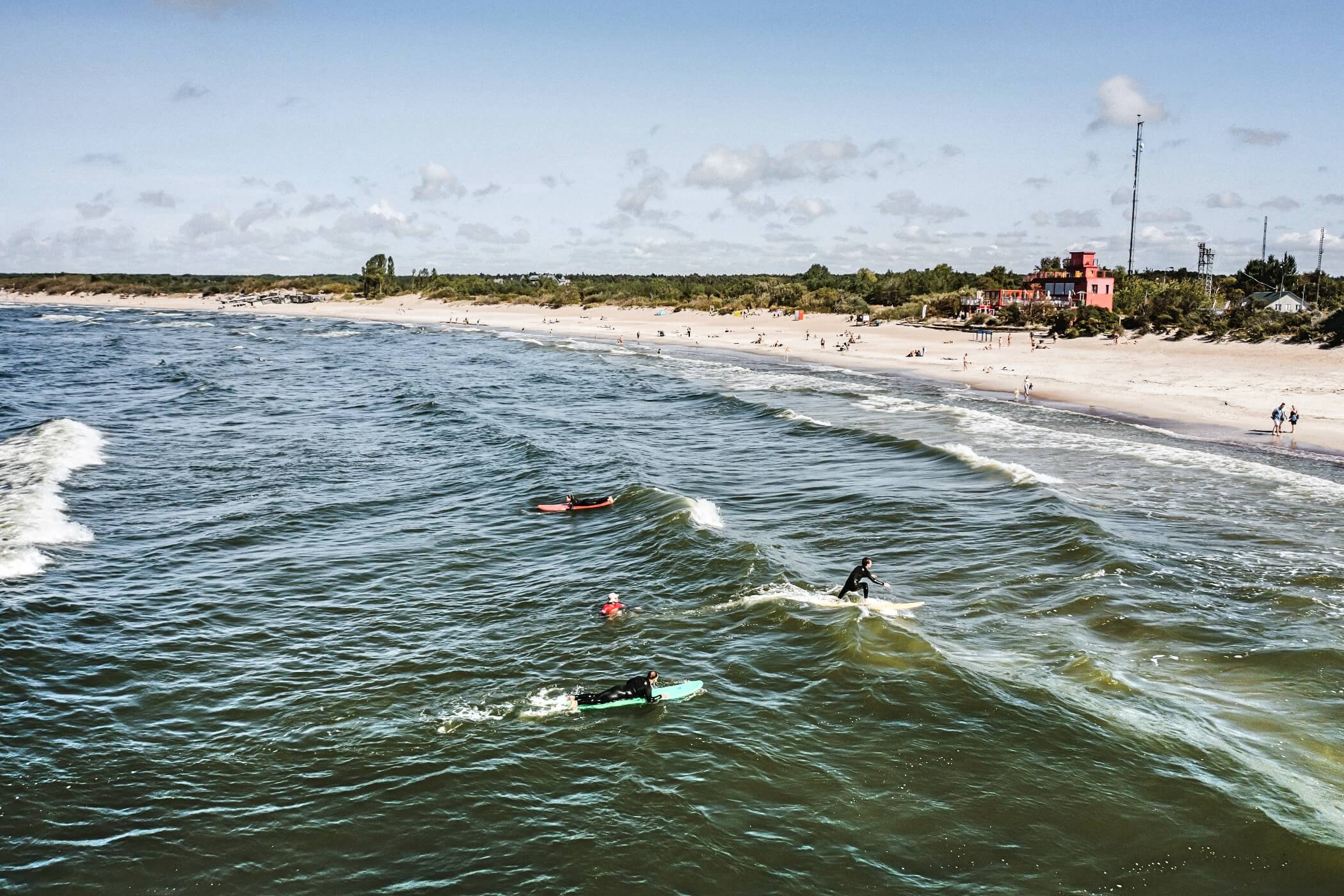
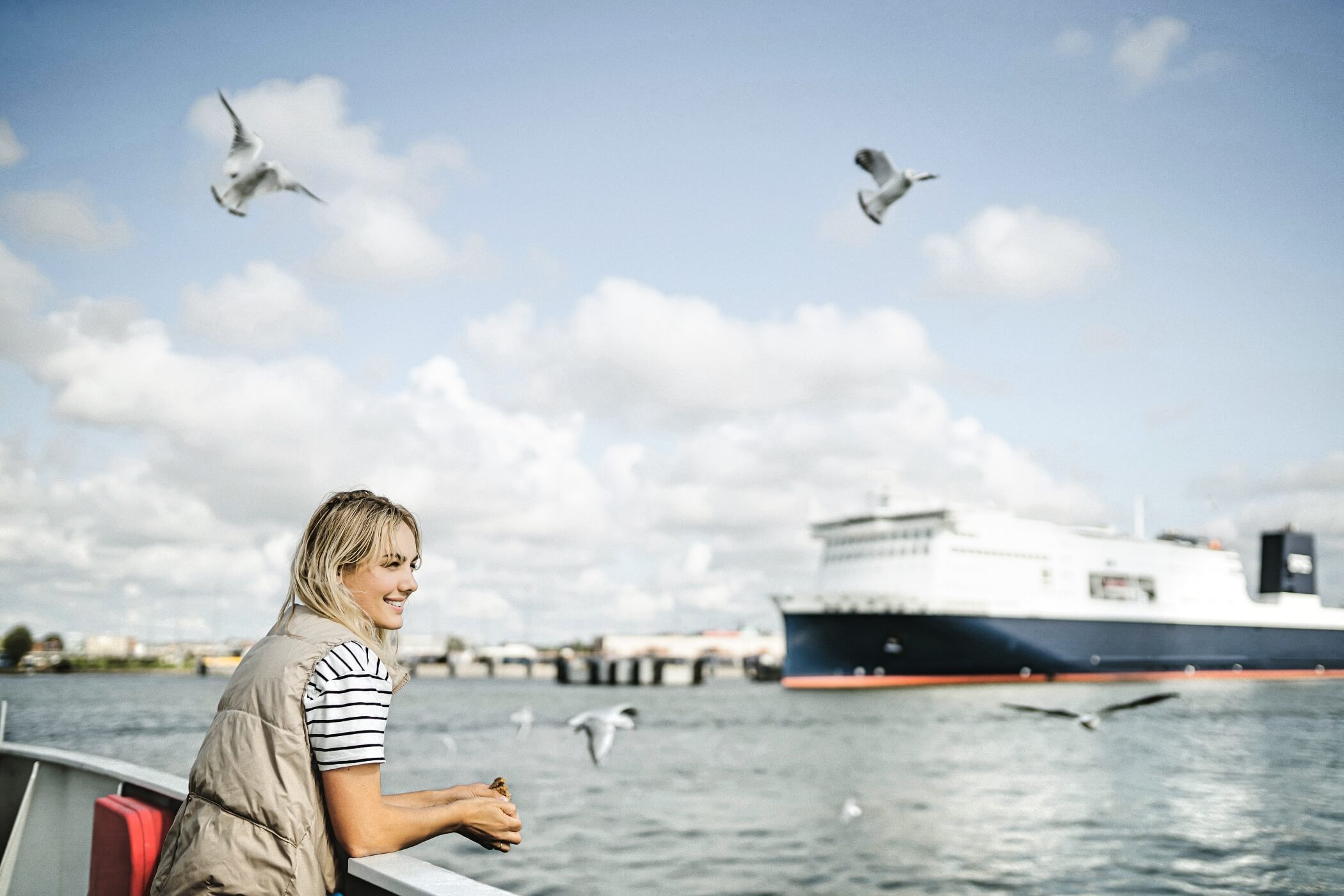
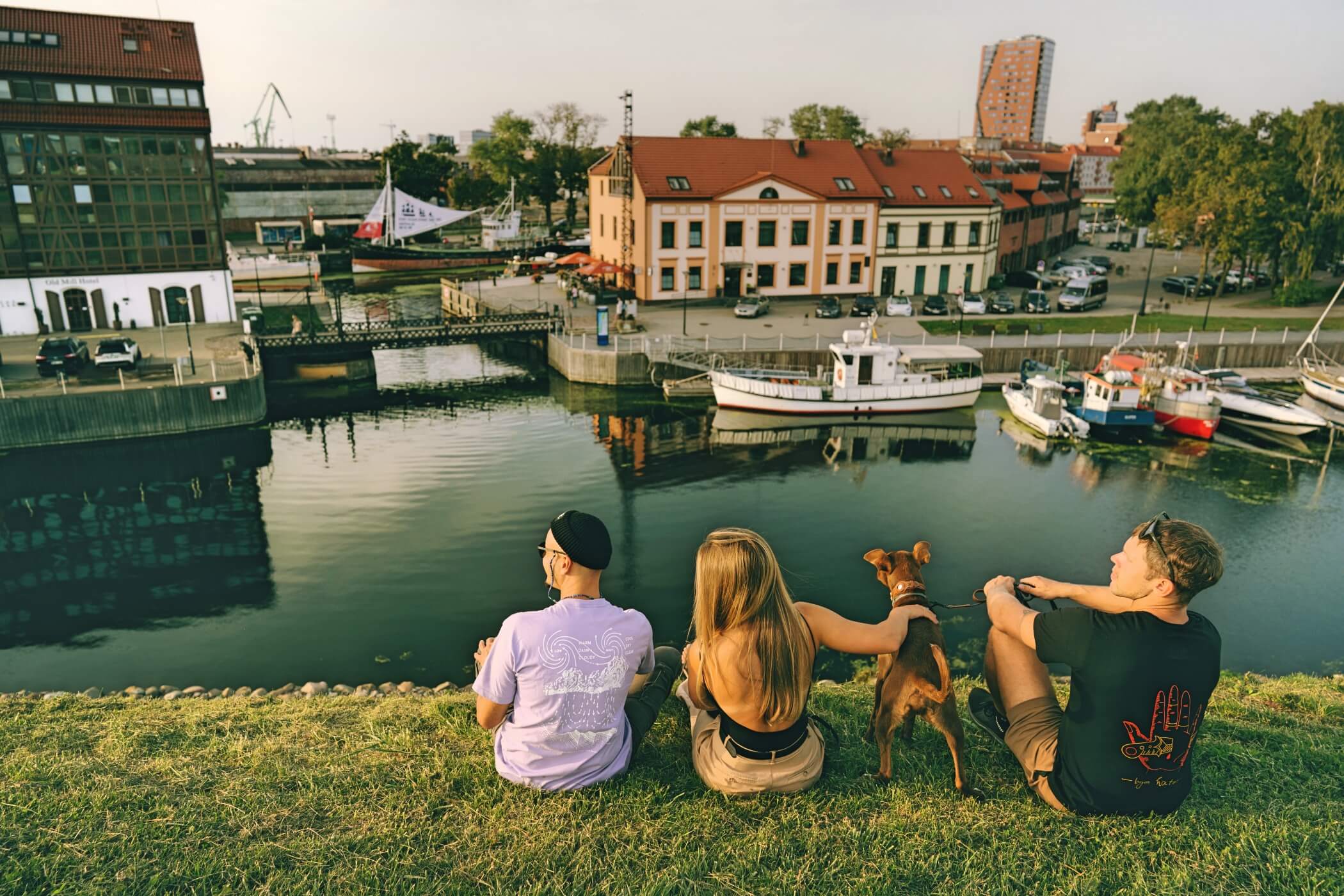
Photo credit: @LithuaniaTravel
Klaipėda is also known for its cultural scene, with numerous theatres, galleries, and museums that celebrate the city’s maritime traditions. The Lithuanian Sea Museum, located in a 19th-century fort, is one of the city’s top attractions, offering interactive exhibits on marine life, seafaring history, and coastal ecosystems.
For luxury travellers, Klaipėda offers a range of high-end accommodations, from boutique hotels in the Old Town to luxury resorts along the coast.
The Lithuanian Coast: A Blend of Nature and Luxury
Beyond Klaipėda, the Lithuanian coast is a stretch of pristine beaches, rolling dunes, and charming seaside towns. Palanga, the most popular resort town on the coast, is known for its long sandy beaches, pine forests, and vibrant nightlife.
Palanga’s beach is a hub of activity during the summer months, with visitors flocking to its shores for sunbathing, swimming, and beach sports. For those seeking a more exclusive experience, several private beach clubs offer luxurious amenities such as sun loungers, cabanas, and beachside service.
For a more tranquil coastal experience, the town of Neringa on the Curonian Spit offers a peaceful retreat. Neringa is known for its serene beaches, dense forests, and traditional wooden cottages.
Wellness and Rejuvenation in Lithuania
Thermal Spas and Wellness Retreats
Lithuania is increasingly recognized as a destination for wellness tourism, with several thermal spas and wellness retreats that offer holistic treatments in serene natural settings. The country’s spa culture dates back centuries, with many of its thermal springs and mineral-rich waters historically used for their healing properties.
Druskininkai is one of the most renowned wellness destinations in Lithuania. Druskininkai’s mineral springs have been celebrated for their therapeutic benefits since the 18th century, and today the town is home to several luxury spa resorts.
These resorts offer a range of treatments designed to promote relaxation and well-being.
Movie credit: @LithuaniaTravel
Another popular wellness destination in Lithuania is Birštonas, known for its mineral springs and spa treatments.
The town’s boutique spa hotels provide a personalized approach to wellness, with treatments that incorporate natural ingredients sourced from the surrounding forests and meadows.
Movie credit: @LithuaniaTravel
Wellness Tourism and Sustainable Practices
Lithuania’s wellness tourism industry is closely tied to the country’s commitment to sustainability. Many of the country’s spa resorts and wellness retreats have adopted eco-friendly practices, such as using renewable energy sources, sourcing organic and local products, and minimizing waste.
Visitors can participate in activities such as birdwatching, forest conservation projects, and organic farming, all of which contribute to the preservation of Lithuania’s natural heritage.
Explore our Lithuanian Adventures or click here to contact us to design a journey that’s uniquely yours.
No tours match your criteria
