
Exploring Croatia: A Journey Through Luxury, Adventure, and Tradition
Croatia, a stunning country located along the Adriatic Sea, is a destination that combines rich history, vibrant culture, and diverse landscapes.
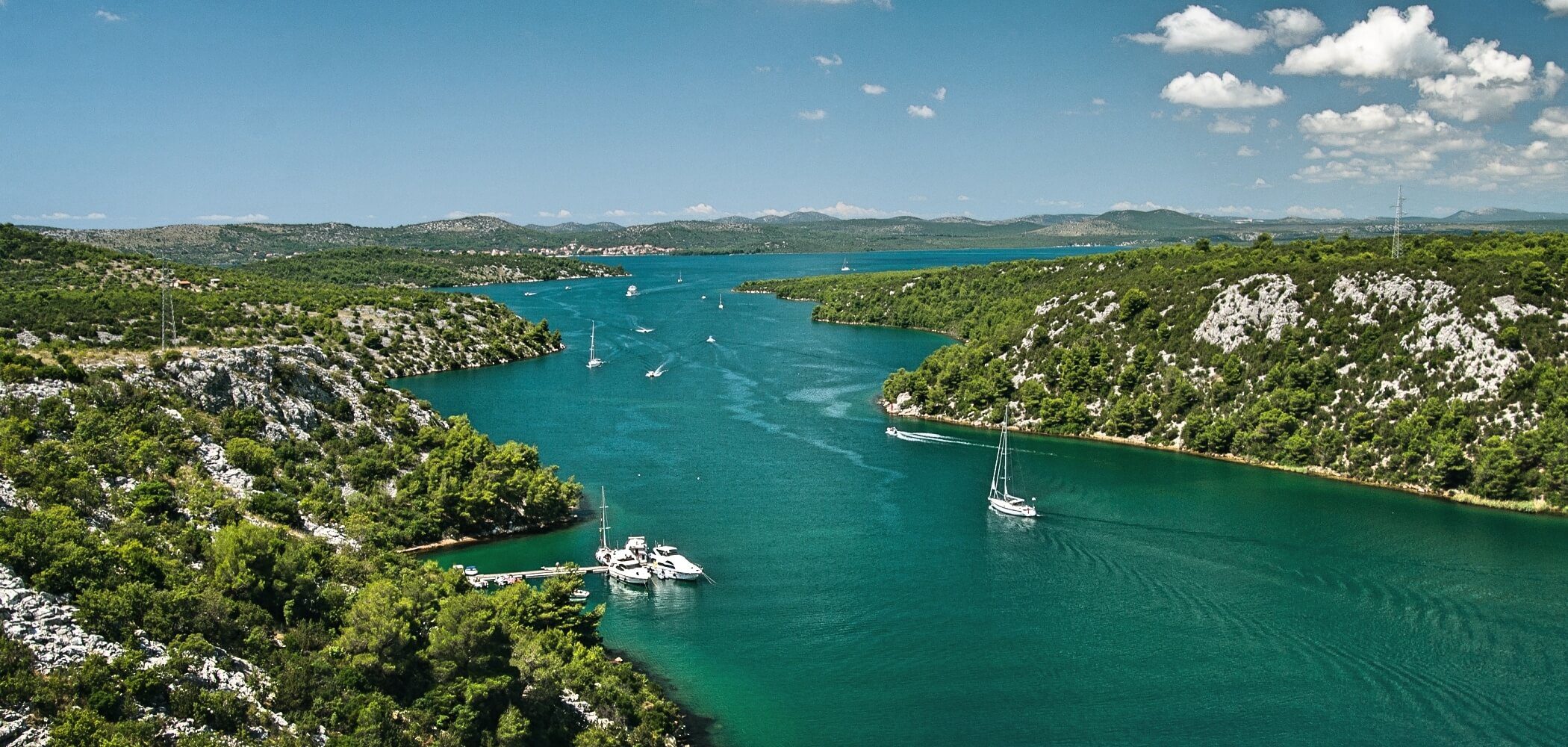
From the azure waters and sun-kissed beaches of the Dalmatian coast to the verdant hills and historic towns of the interior, Croatia offers a multitude of experiences.
We will take you through the various regions of Croatia, highlighting opportunities for luxury, adventure, exploration, culture, food and wine, tradition, and luxury services.
Istria: The Heart of Mediterranean Elegance
Luxurious Retreats and Comfort
Istria, often referred to as the “Tuscany of Croatia,” is renowned for its upscale accommodations and serene landscapes.
Coastal towns such as Rovinj and Poreč offer a plethora of luxurious resorts and boutique hotels, many of which boast breathtaking views of the Adriatic Sea, private beaches, and top-notch amenities.
These establishments provide an ideal base for exploring the region in utmost comfort.
Adventurous Exploration and Natural Beauty
For those seeking adventure, Istria’s rugged interior and stunning coastline provide numerous opportunities.
The Parenzana Trail, a former railway converted into a scenic path, is perfect for hiking and cycling enthusiasts, winding through picturesque villages, vineyards, and olive groves.
Additionally, the Adriatic Sea offers activities such as sailing, windsurfing, and diving in crystal-clear waters, making Istria a paradise for water sports lovers.
Cultural Heritage and Tradition
Istria is steeped in history and tradition, evident in its well-preserved Roman architecture and medieval hilltop towns.
The Roman amphitheater in Pula is a remarkable example of ancient engineering and hosts various cultural events and concerts.
Motovun, a charming hilltop village, offers panoramic views and is famous for its annual film festival.
Traditional festivals celebrating local culture, music, and folklore are a regular occurrence, providing a deep insight into the region’s rich heritage.
Gastronomy and Wine Excellence
Istria is a culinary haven, renowned for its truffles, olive oil, and wines.
Fine dining restaurants in Rovinj and Pula offer exquisite menus that feature fresh seafood and local delicacies, expertly paired with award-winning wines from Istrian vineyards.
The region’s food and wine experiences are enhanced by visits to family-run wineries and olive oil producers, where visitors can savour the authentic flavours of Istria.
Dalmatia: Where Sun and Sea Meet Luxury
Coastal Luxury and Opulent Accommodations
Dalmatia, with its breathtaking coastline and numerous islands, is a prime destination for luxury travellers.
Areas such as Dubrovnik and Hvar are known for their exclusive hotels and private villas, providing opulent retreats with stunning sea views and exceptional service.
These establishments cater to those seeking both relaxation and indulgence, often featuring private beaches, infinity pools, and gourmet dining options.
Thrilling Adventures on Land and Sea
The diverse landscape of Dalmatia offers a wealth of adventure activities for thrill-seekers.
Sailing around the Dalmatian islands is a popular pastime, allowing visitors to explore hidden coves and pristine beaches.
Diving in the clear waters reveals a vibrant underwater world, while the Biokovo Mountain range offers challenging hikes and breathtaking vistas.
For those seeking more extreme sports, activities such as paragliding and rock climbing are readily available.
Historical and Cultural Riches
Dalmatia is home to some of Croatia’s most iconic historical sites.
Dubrovnik, often called the “Pearl of the Adriatic”, boasts well-preserved medieval walls and baroque buildings. Walking through the city’s cobbled streets feels like stepping back in time.
Split, with its Diocletian’s Palace, blends ancient Roman architecture with modern urban life.
These cities are cultural hubs, offering numerous museums, galleries, and theatres that celebrate the region’s rich history and contemporary arts scene.
Culinary Delights and Coastal Flavors
Dalmatian cuisine is a delightful blend of Mediterranean flavours, with an emphasis on fresh seafood, olive oil, and local produce.
In Split and Dubrovnik, luxury dining experiences abound, with restaurants offering gourmet dishes crafted from the finest ingredients.
Visitors can enjoy everything from traditional Dalmatian peka to modern interpretations of classic dishes, all complemented by excellent local wines.
Slavonia: A Taste of Authentic Croatia
Luxurious Rural Retreats
Slavonia, though less frequented by tourists, offers a unique and luxurious countryside experience.
Boutique hotels and manor houses in areas like Osijek and Vukovar provide serene escapes amidst the region’s picturesque landscapes.
These accommodations often feature historic architecture, lush gardens, and personalized service, making them ideal for a relaxing getaway.
Outdoor Adventures and Natural Wonders
Slavonia’s vast plains and rivers, including the Danube and Drava, are perfect for nature enthusiasts.
Kopački Rit Nature Park, one of Europe’s largest wetlands, is a haven for bird watchers and nature lovers.
The region’s gentle terrain is ideal for cycling and horseback riding, while the rivers offer opportunities for fishing and kayaking. For those seeking a deeper connection with nature, guided tours of the park reveal its rich biodiversity and tranquil beauty.
Cultural Heritage and Traditions
Slavonia is rich in cultural traditions and historical sites. The city of Vinkovci, with its Roman roots and baroque architecture, is a cultural gem.
Folk festivals celebrating traditional music, dance, and crafts are common throughout the region, offering a glimpse into the vibrant local culture.
Visitors can also explore historic castles and monasteries, which stand as testaments to Slavonia’s storied past.
Farm-to-Table Cuisine and Wine
Slavonian cuisine is characterized by hearty, farm-to-table dishes that showcase the region’s agricultural abundance.
Local specialities include Kulen sausage, paprika-infused dishes, and freshwater fish.
The Ilok wine region is renowned for its high-quality wines, and wine tours offer visitors a chance to sample these exceptional vintages while enjoying the scenic vineyards.
Central Croatia: A Blend of Nature and History
Upscale Accommodations in the Heart of Croatia
Central Croatia, encompassing the capital city of Zagreb, offers a range of luxurious accommodations.
Zagreb is known for its sophisticated hospitality, with a variety of high-end hotels and boutique establishments that blend modern amenities with historic charm.
These accommodations provide an excellent base for exploring the city’s vibrant cultural scene and surrounding natural beauty.
Nature and Adventure in Plitvice Lakes
The natural beauty of Central Croatia is epitomized by Plitvice Lakes National Park, a UNESCO World Heritage Site renowned for its cascading lakes and waterfalls.
The park’s well-maintained trails offer opportunities for hiking and photography, while guided tours provide insights into its unique ecosystem.
For those seeking more adventure, the region’s rivers and forests offer activities such as rafting, fishing, and wildlife watching.
Cultural Exploration in Zagreb
Zagreb, the cultural heart of Croatia, is home to numerous museums, galleries, and theatres.
The Upper Town’s historic buildings and cobblestone streets exude old-world charm, while the bustling Ban Jelačić Square is the center of modern urban life.
Visitors can explore the city’s rich history through its many landmarks, including St. Mark’s Church and the Zagreb Cathedral, or enjoy contemporary art at the Museum of Contemporary Art.
Gourmet Experiences and Fine Dining
Central Croatia boasts a diverse culinary scene, with Zagreb offering a range of high-end restaurants that serve both local and international cuisine.
The city’s vibrant food market, Dolac, is a testament to its culinary diversity, offering fresh produce, meats, and artisanal goods.
Wine tours in the surrounding countryside introduce visitors to excellent Croatian wines, further enhancing the region’s gourmet appeal.
Kvarner: A Gateway to the Adriatic
Seaside Luxury and Wellness
The Kvarner region, with its elegant coastal towns such as Opatija and Rijeka, is synonymous with luxury and wellness.
Opatija, known for its grand villas and promenades, offers a range of high-end resorts and wellness centres.
These establishments provide luxurious accommodations and wellness services, including spa treatments, thermal baths, and fitness programs, making it an ideal destination for relaxation and rejuvenation.
Aquatic Adventures and Marine Exploration
The Kvarner Gulf is a haven for water sports enthusiasts. Sailing, kayaking, and diving are popular activities, with the region’s clear waters and abundant marine life providing a stunning backdrop.
The nearby islands, such as Krk and Cres, offer secluded beaches and hidden coves, perfect for exploring by boat or snorkelling.
For those seeking more adventure, deep-sea fishing and windsurfing are also available.
Historical Significance and Cultural Treasures
Kvarner’s towns boast rich histories and cultural treasures.
Opatija, with its Austro-Hungarian heritage, features grand villas, lush gardens, and a picturesque seafront promenade.
Rijeka, a vibrant port city, offers a mix of historic sites and modern attractions, including the Trsat Castle and the Maritime and History Museum of the Croatian Littoral.
The region’s cultural events, such as the Rijeka Carnival, celebrate its diverse heritage and vibrant community.
Culinary Excellence and Fresh Flavors
Seafood is a staple of Kvarner’s cuisine, with dishes like scampi and Adriatic fish being local favourites.
Fine dining restaurants in Opatija and Rijeka offer gourmet meals that highlight the region’s fresh, local ingredients.
Visitors can enjoy a variety of culinary experiences, from traditional taverns to more contemporary settings, ensuring a rich and flavourful journey through Kvarner’s culinary landscape.
Culinary Delights of the Karst
The Karst region of Croatia offers a distinct culinary experience, blending the area’s rugged terrain with centuries-old traditions. Known for its simplicity and freshness, Karst cuisine features locally sourced ingredients that highlight the region’s agricultural heritage, such as hearty meats, fresh dairy, and wild herbs.
The local prosciutto, air-dried in the famous bora winds, is a must-try, along with artisan cheeses made from sheep and goat milk. These cheeses are perfectly paired with local wines like Teran and Malvazija, which enhance the flavours and provide a true taste of the region.
Seafood from the nearby Adriatic Sea plays a significant role in Karst cuisine. Fresh fish, shellfish, and octopus are often grilled or cooked in traditional peka, a method that emphasizes their natural flavours.
Visitors can savour these authentic dishes in local taverns, known as konobas, where traditional recipes have been lovingly preserved. A culinary journey through the Karst offers a rich taste of the region’s cultural and gastronomic heritage, making every meal a memorable experience.
Explore our Croatian Adventures or click here to contact us to design a journey that’s uniquely yours.
No tours match your criteria
