
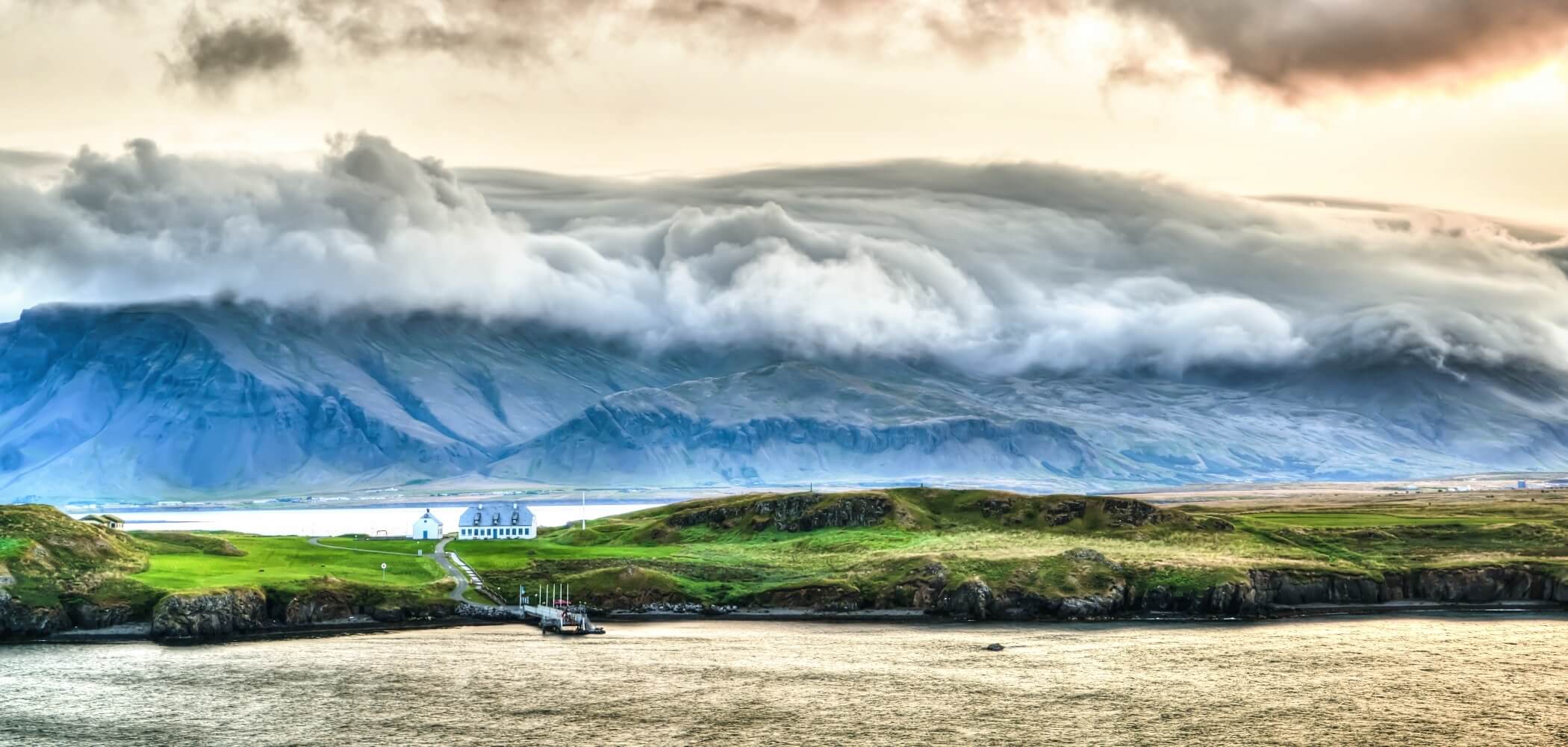
Exploring Iceland: A Comprehensive Journey Into Luxury Adventures
Iceland, the land of fire and ice, is a treasure trove of stunning landscapes, rich culture, and thrilling adventures. This unique island nation offers a perfect blend of luxury and exploration, making it an ideal destination for discerning travellers.
In this article, we will take you through the various regions of Iceland, highlighting the must-see places, cultural experiences, adventure opportunities, and luxury services available.
Prepare to be enchanted by the wonders of Iceland as we embark on this comprehensive journey.
The Diverse Regions of Iceland
The Capital Region: Reykjavík and Surroundings
Reykjavík: The Heart of Iceland
Reykjavík, Iceland’s vibrant capital, is the starting point for most travellers.
The city is a hub of culture, art, and history, offering a plethora of museums, galleries, and historic sites.
Stroll through the charming streets of downtown Reykjavík, visit the iconic Hallgrímskirkja church, and explore the Harpa Concert Hall.
For a taste of Icelandic cuisine, indulge in fine dining at one of the city’s gourmet restaurants, where you can savour dishes made from locally sourced ingredients.
Do not hesitate to stop by at non-gourmet restaurants and pubs as well. Spending time with locals is always a unique experience.
Enjoy live music sessions, local beer and fish & chips which here is a local dish as well.
Photo credit: Anna. June 2024
The Blue Lagoon: A Luxurious Retreat
Just a short drive from Reykjavík, the Blue Lagoon is a world-renowned geothermal spa.
Nestled in a lava field, this luxurious retreat offers a unique bathing experience in milky-blue waters rich in minerals.
Pamper yourself with a range of spa treatments, from silica mud masks to in-water massages, while enjoying the serene surroundings.
The Blue Lagoon is the perfect place to unwind and rejuvenate after exploring the capital.
A tip: in Reykjavík, you may find boutique shops offering Blue Lagoon cosmetics.
The Golden Circle: A Journey Through Natural Wonders
Þingvellir National Park: A UNESCO World Heritage Site
Þingvellir National Park is a site of immense historical and geological significance. It was here that the world’s oldest parliament, Alþingi, was established in 930 AD.
The park lies in a rift valley, where the North American and Eurasian tectonic plates meet.
Explore the stunning landscapes, including the Almannagjá Gorge, Silfra fissure, and Þingvallavatn Lake.
Þingvellir is a place where history and nature intertwine seamlessly.
Photo credit: Anna. June 2024
Geysir and Gullfoss: The Power of Nature
Continue your journey through the Golden Circle to witness the geothermal wonders of Geysir and the majestic Gullfoss waterfall.
The Geysir geothermal area is home to the active Strokkur geyser, which erupts every few minutes, shooting boiling water up to 30 meters high. Nearby, the Gullfoss waterfall cascades into a deep canyon, creating a breathtaking spectacle.
These natural wonders showcase Iceland’s raw, untamed beauty.
The South Coast: Land of Fire and Ice
Seljalandsfoss and Skógafoss: Majestic Waterfalls
The South Coast of Iceland is renowned for its dramatic waterfalls, with Seljalandsfoss and Skógafoss being two of the most iconic.
Seljalandsfoss offers a unique experience, as visitors can walk behind the cascading water for a different perspective. Skógafoss, on the other hand, impresses with its sheer power and beauty.
Both waterfalls are perfect for photography and provide a glimpse into the natural splendour of the region.
Reynisfjara and Vík: Black Sand Beaches
Travelling further along the South Coast, you’ll encounter the striking black sand beaches of Reynisfjara and Vík.
The basalt columns and towering sea stacks at Reynisfjara create a surreal, otherworldly landscape. In Vík, the picturesque church on the hill provides a stunning contrast to the black sand below.
These beaches are a testament to Iceland’s volcanic origins and are a must-visit for any traveller.
Vatnajökull National Park: Glaciers and Ice Caves
Vatnajökull National Park is a vast wilderness encompassing Europe’s largest glacier, Vatnajökull.
The park offers a range of activities, from glacier hiking to exploring ice caves. The crystal-clear blue ice caves, formed by melting glacial water, are a highlight and provide an unforgettable adventure.
For those seeking luxury, private guided tours are available, offering exclusive access to some of the park’s most spectacular sites.
Photo credit: Anna. June 2024
The East Fjords: Tranquil Beauty
Seyðisfjörður: Artistic Charm
The East Fjords are less frequented by tourists, offering a tranquil escape with stunning fjord landscapes and charming villages.
Seyðisfjörður, a picturesque town nestled between mountains and the sea, is known for its vibrant arts scene. The town’s colourful wooden houses and the iconic Blue Church create a charming atmosphere.
Explore local galleries, enjoy a coffee at a cosy café, and soak in the artistic charm of Seyðisfjörður.
Borgarfjörður Eystri: Hiking Paradise
For outdoor enthusiasts, Borgarfjörður Eystri is a paradise for hiking and birdwatching.
The area boasts numerous trails that lead through breathtaking landscapes, including lush valleys, rugged mountains, and pristine coastline. The Dyrfjöll mountains and Stórurð boulder field are particularly popular with hikers.
In the summer, the cliffs are teeming with puffins, offering excellent birdwatching opportunities.
The North: Land of Myths and Legends
Akureyri: The Capital of the North
Akureyri, often referred to as the “Capital of the North”, is Iceland’s second-largest city. Situated at the base of Eyjafjörður fjord, Akureyri offers a blend of urban amenities and natural beauty.
Explore the charming town centre, visit the Akureyri Botanical Garden, and take a dip in the local geothermal swimming pool.
The nearby Hlíðarfjall mountain is a popular ski resort in the winter, offering excellent slopes and facilities.
Mývatn: Geothermal Wonders
Lake Mývatn and its surrounding area are a geothermal wonderland, featuring a diverse range of landscapes.
Visit the Mývatn Nature Baths for a relaxing soak in geothermal waters, surrounded by volcanic scenery. Explore the Hverir geothermal area, with its bubbling mud pots and steaming fumaroles, and hike to the Víti crater for panoramic views.
The Dimmuborgir lava fields and Grjótagjá cave add to the region’s mystique and allure.
The West: Sagas and Scenic Beauty
Snæfellsnes Peninsula: Iceland in Miniature
The Snæfellsnes Peninsula is often called “Iceland in Miniature” due to its diverse landscapes.
Dominated by the Snæfellsjökull glacier-volcano, the peninsula offers everything from black sand beaches and rugged cliffs to lava fields and charming fishing villages.
Visit the iconic Kirkjufell mountain, stroll along the Djúpalónssandur beach, and explore the historic sites in the village of Stykkishólmur.
The Snæfellsnes Peninsula is a microcosm of Iceland’s natural beauty.
Borgarfjörður: Historical and Cultural Riches
Borgarfjörður is steeped in history and folklore, making it a fascinating region to explore. Visit the Reykholt cultural center, once home to the medieval scholar Snorri Sturluson, and the Deildartunguhver hot spring, the highest-flowing hot spring in Europe.
The Hraunfossar and Barnafoss waterfalls, with their unique formations, are also worth a visit.
Borgarfjörður offers a blend of natural beauty and cultural heritage.
Luxury and Adventure in Iceland
Luxury Accommodations
Iceland boasts a range of luxury accommodations, from boutique hotels in Reykjavík to remote lodges in the countryside.
The capital offers high-end hotels with world-class amenities, including spa services, gourmet dining, and stunning views of the city and surrounding landscapes.
In the countryside, luxury lodges provide an intimate and exclusive experience, often with private hot tubs, personalized tours, and access to pristine nature.
Adventure Activities
Glacier Hiking and Ice Climbing
Iceland’s glaciers offer thrilling opportunities for adventure.
Guided glacier hikes and ice climbing expeditions are available on glaciers such as Sólheimajökull and Vatnajökull. These activities allow you to explore the icy terrain, crevasses, and ice formations up close.
For those seeking an adrenaline rush, ice climbing provides a challenging and exhilarating experience.
Snowmobiling and Super Jeep Tours
For a high-octane adventure, consider a snowmobiling tour on Langjökull glacier or a super jeep tour through Iceland’s rugged interior.
Snowmobiling allows you to cover vast distances on the glacier, taking in breathtaking views and experiencing the thrill of speed.
Super jeep tours, on the other hand, take you off the beaten path to explore remote areas such as the Highlands, Þórsmörk valley, and the volcanic landscapes of Landmannalaugar.
Cultural and Traditional Experiences
Icelandic Sagas and Folklore
Iceland’s rich cultural heritage is deeply rooted in its sagas* and folklore.
Throughout the country, you can visit sites mentioned in the sagas, such as the saga museums in Borgarnes and Reykholt. Local guides and storytellers bring these ancient tales to life, providing insight into Iceland’s history and traditions.
Participating in a traditional Icelandic storytelling session or visiting a turf house museum offers a unique cultural experience.
* An Icelandic saga is a genre of prose narratives written in medieval Iceland, primarily during the 13th century, which recounts the lives, adventures, and genealogies of notable Icelanders and their families. These sagas blend historical events with legendary elements, providing a rich depiction of Icelandic culture, society, and values during the Viking Age. They are considered an important part of Iceland’s literary heritage and include well-known works such as the “Saga of the Volsungs” and the “Njál’s Saga.” The sagas are celebrated for their complex characters, intricate plots, and vivid storytelling.
Traditional Cuisine
Icelandic cuisine is a reflection of the country’s natural bounty and culinary traditions. Sample traditional dishes such as lamb, fresh seafood, and skyr (a type of Icelandic yogurt).
For a truly authentic experience, try hákarl (fermented shark) and svið (sheep’s head).
Many luxury establishments offer gourmet versions of traditional Icelandic fare, showcasing the best of local ingredients and culinary craftsmanship.
Explore our Icelandic Adventures or click here to contact us to design a journey that’s uniquely yours.
No tours match your criteria
