
From Marrakech to the Sahara: Exclusive Experiences
Morocco, a captivating tapestry of diverse landscapes and rich cultural heritage, offers an exquisite blend of natural wonders and cultural marvels. Nestled within this enchanting North African gem are its pristine national parks, where nature unfolds in all its glory.
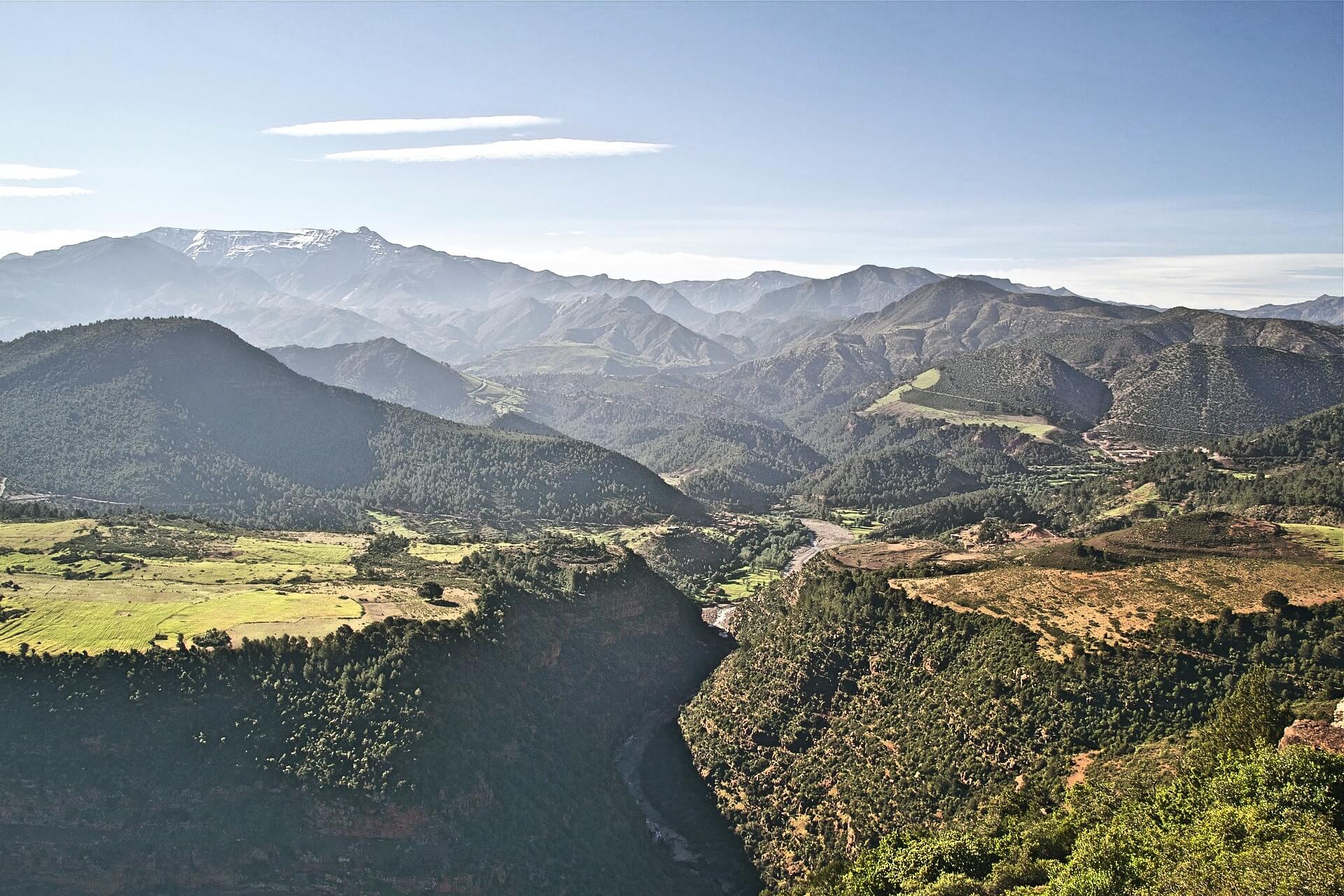
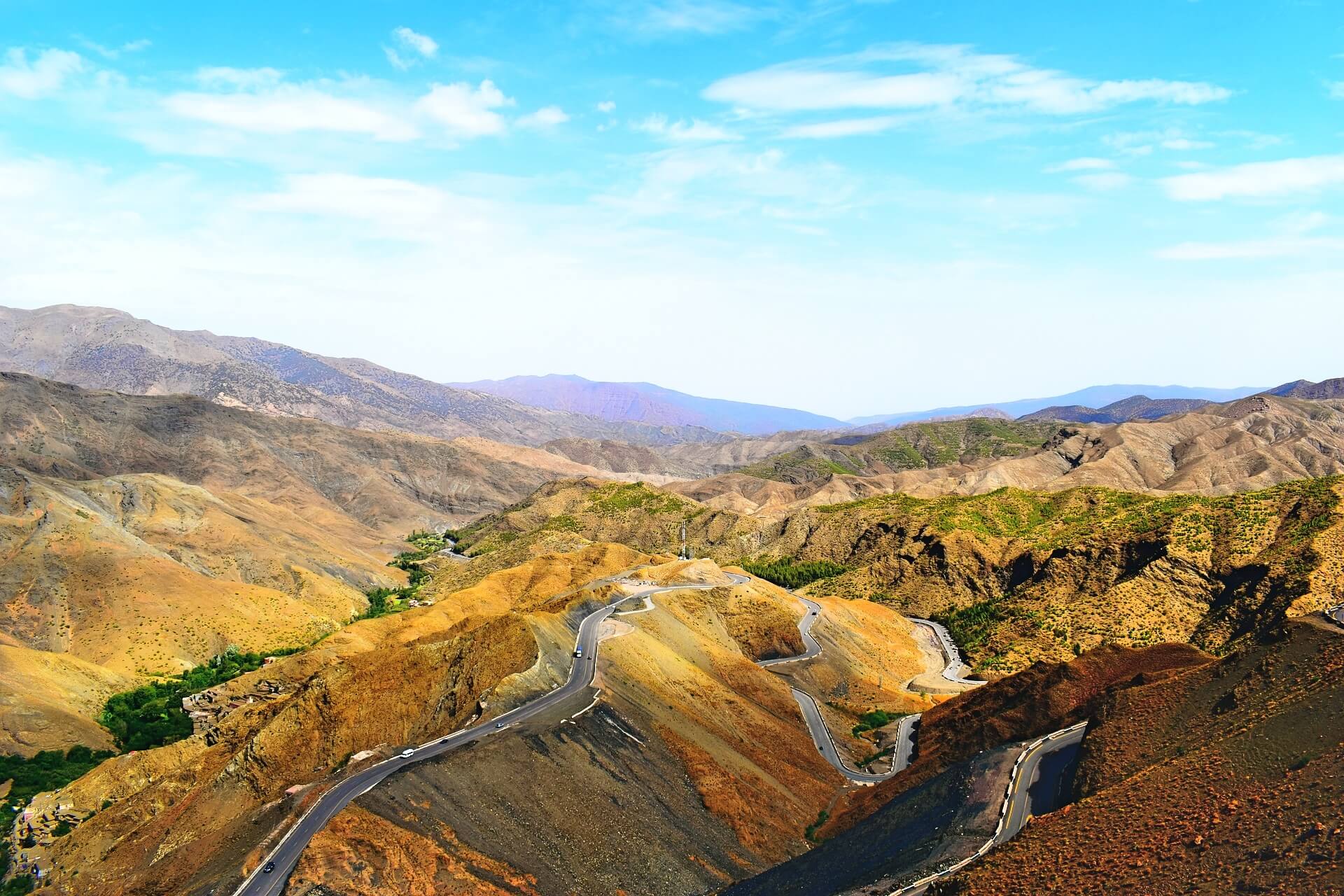
The High Atlas Mountains, a majestic backbone, house Toubkal National Park, a haven for trekking enthusiasts. Here, one can traverse rugged terrains and witness panoramic vistas that evoke a sense of awe and wonder.
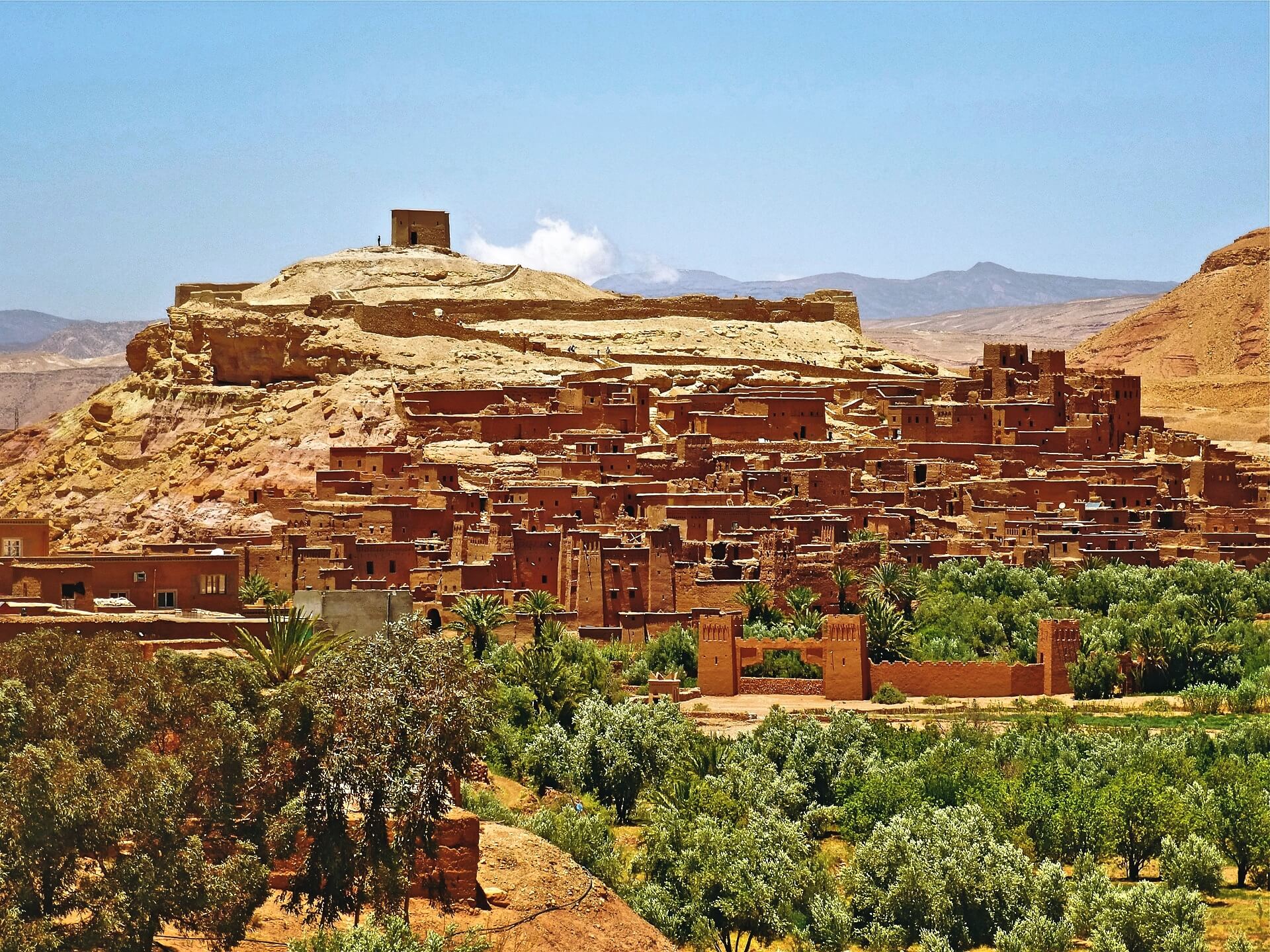
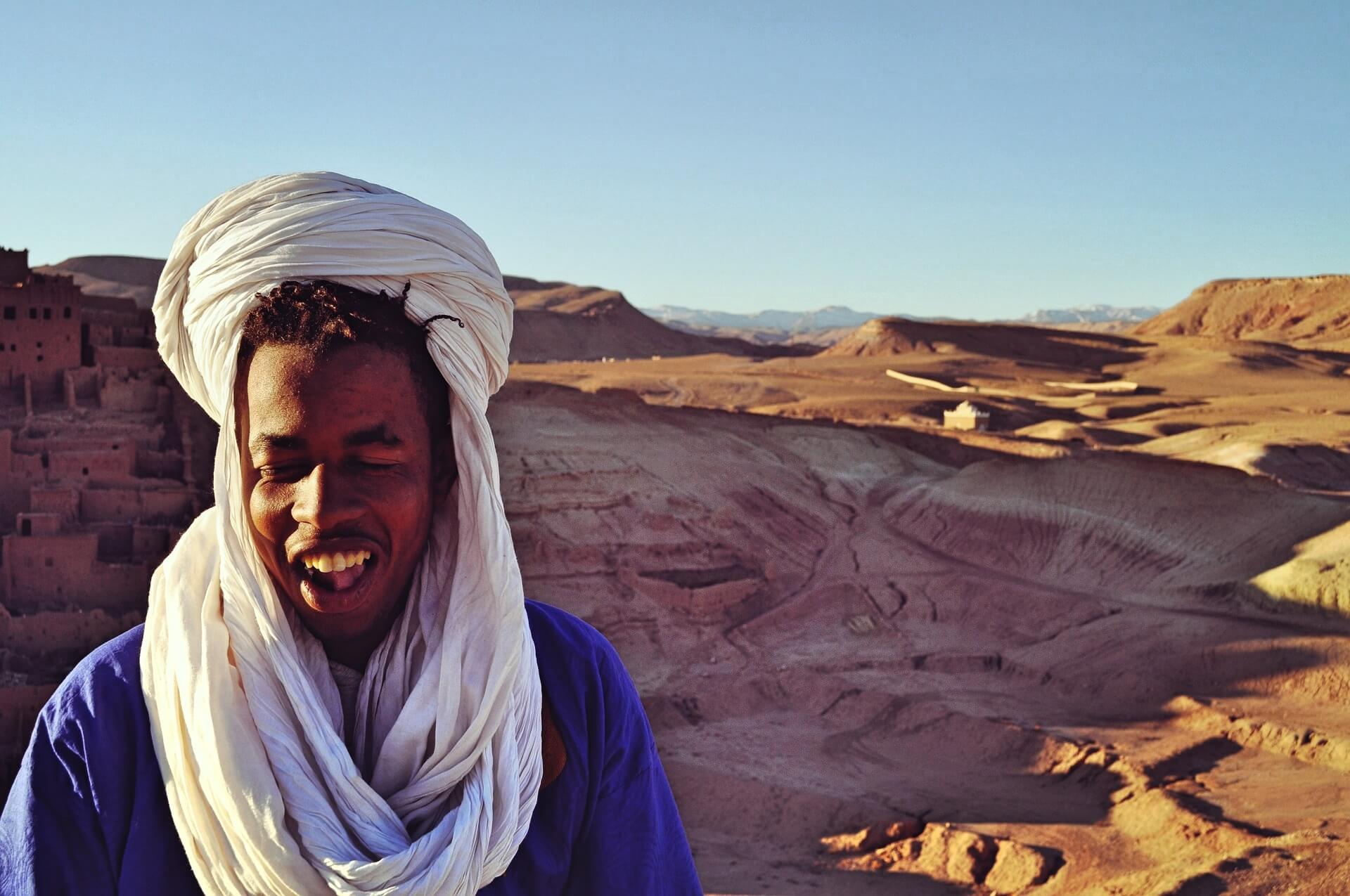
Find time to trek to the Ait Benhaddou kasbah that unveils a UNESCO World Heritage site that transports visitors back in time. This ancient fortress, with its mud-brick architecture, has served as a backdrop for numerous films, encapsulating the timeless charm of Morocco’s cinematic landscapes.
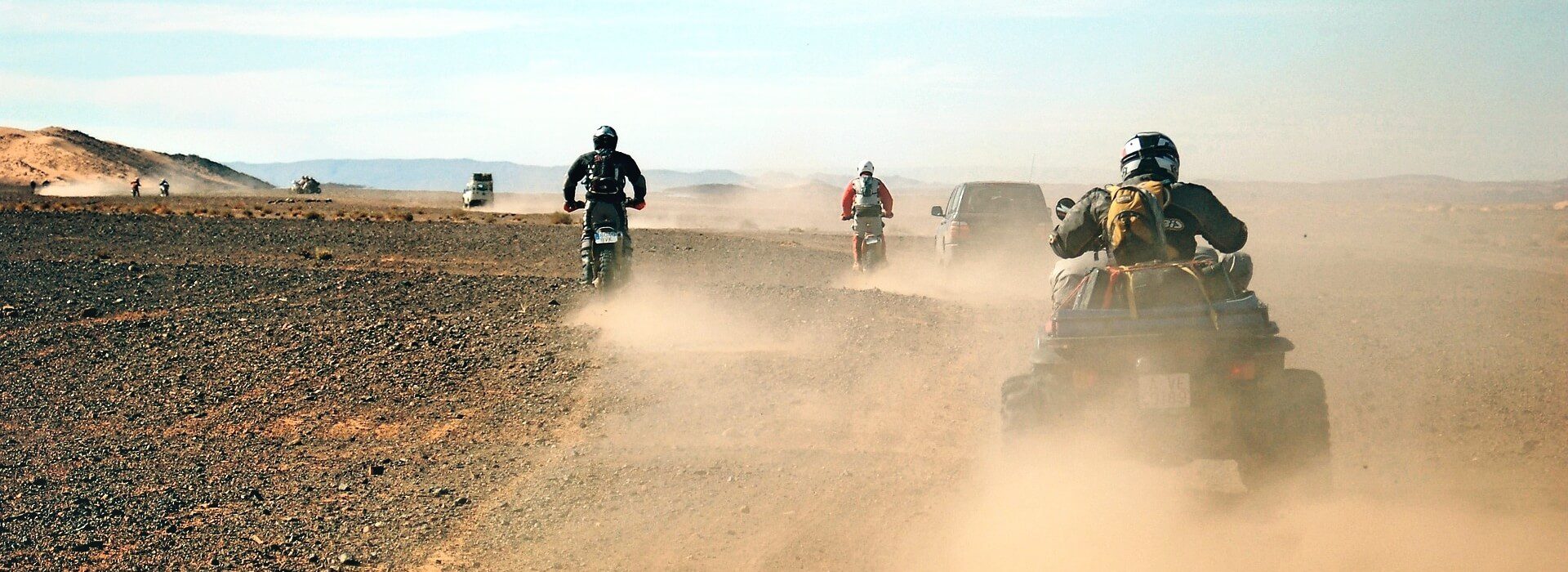
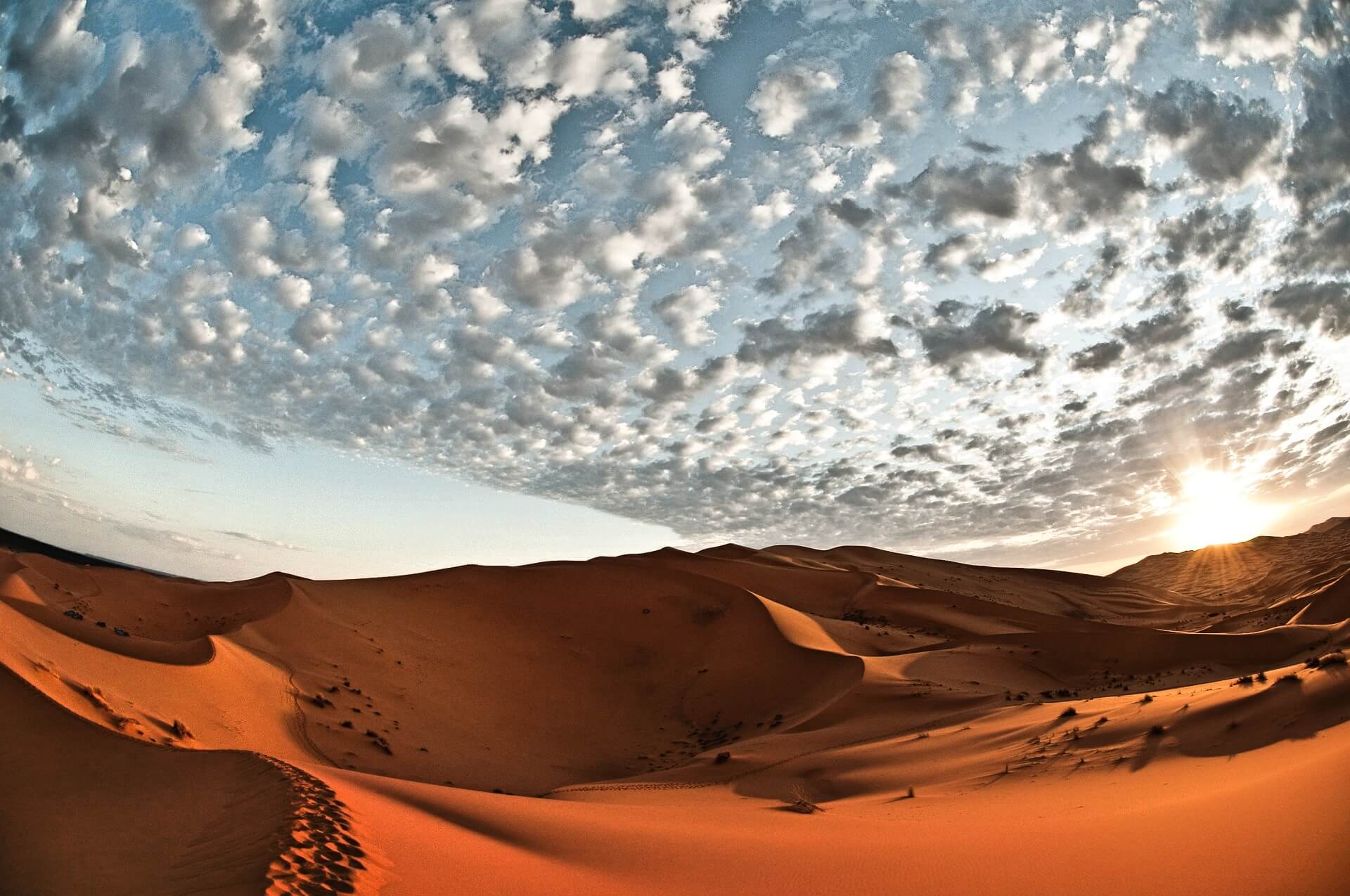
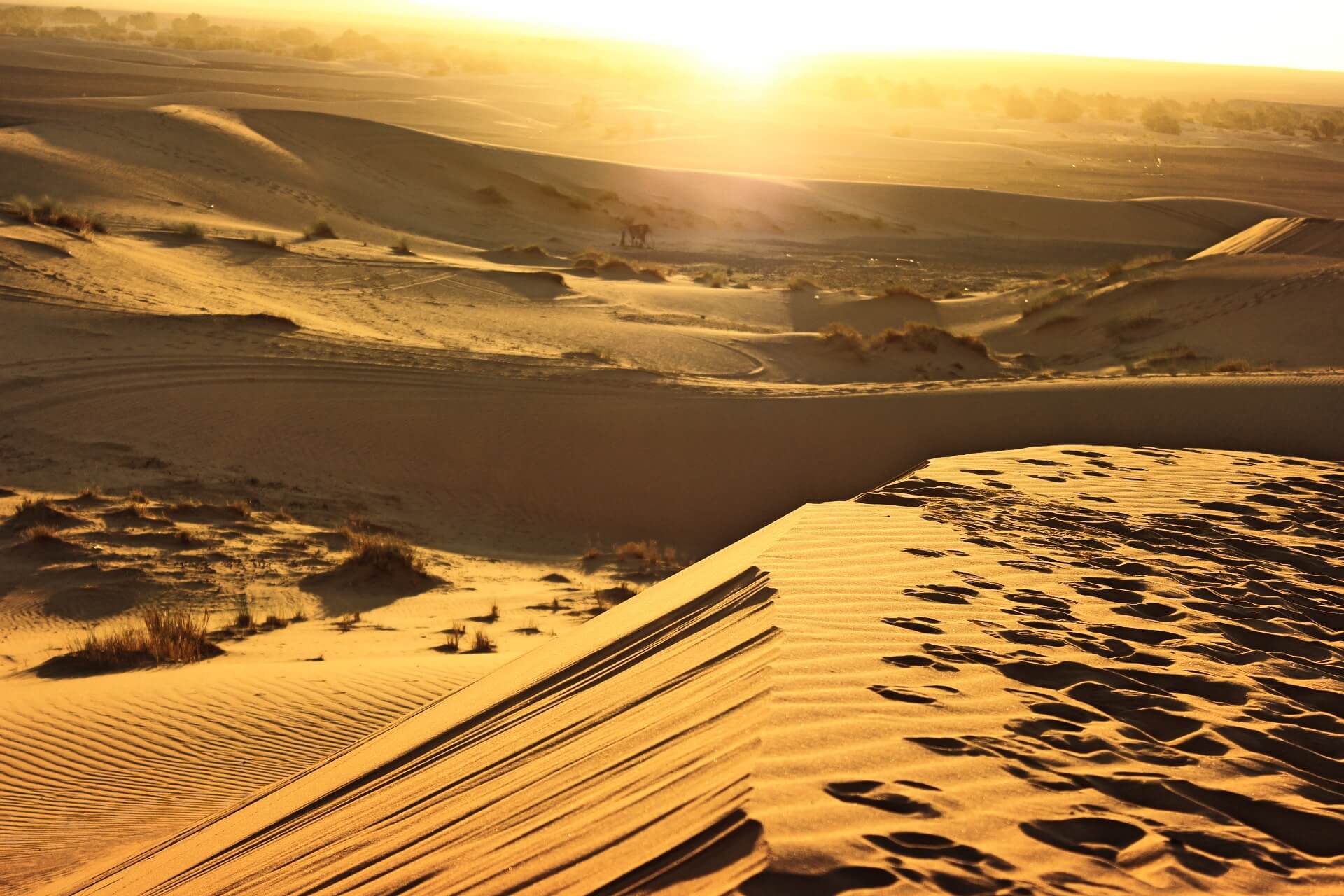
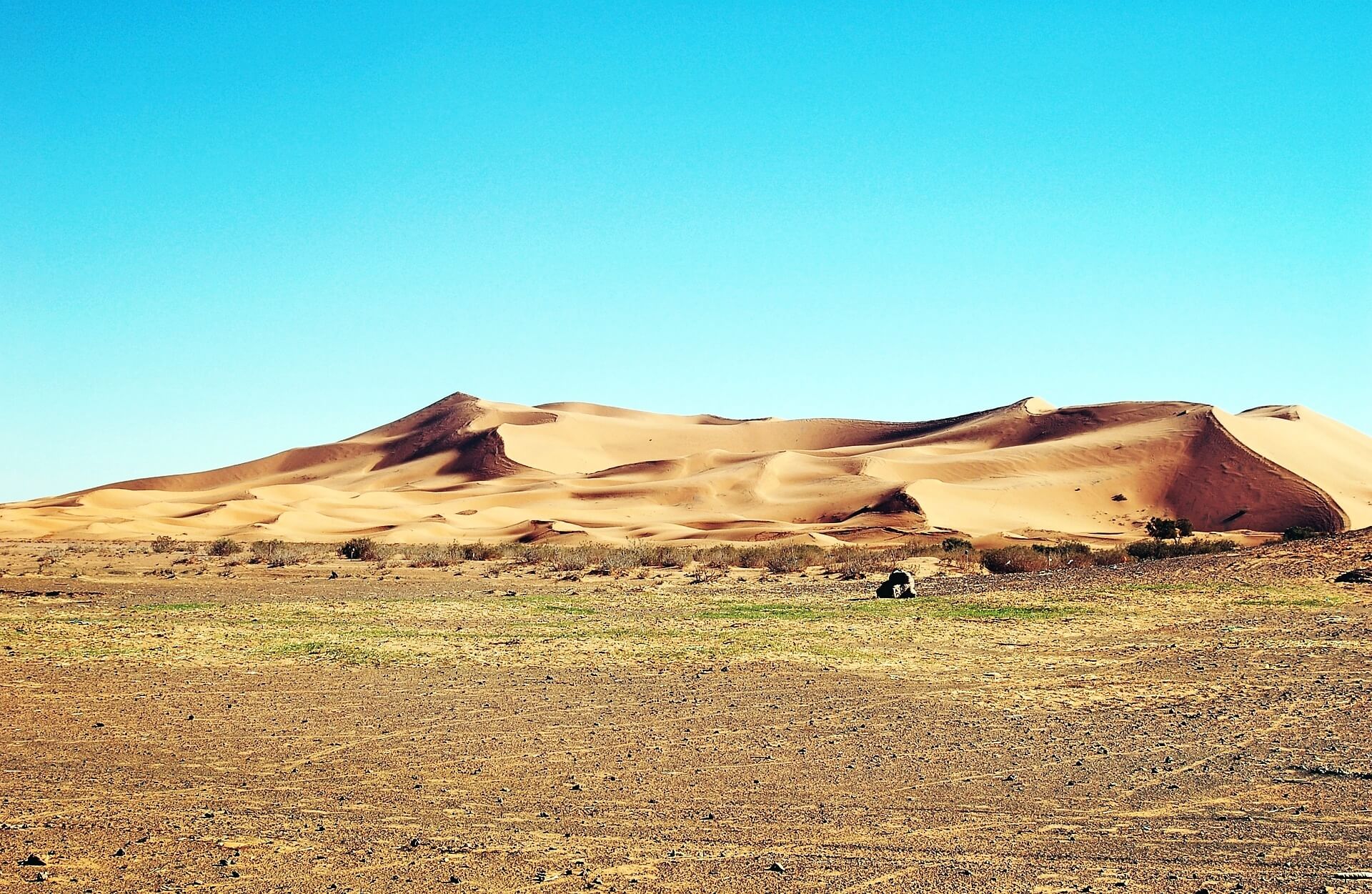
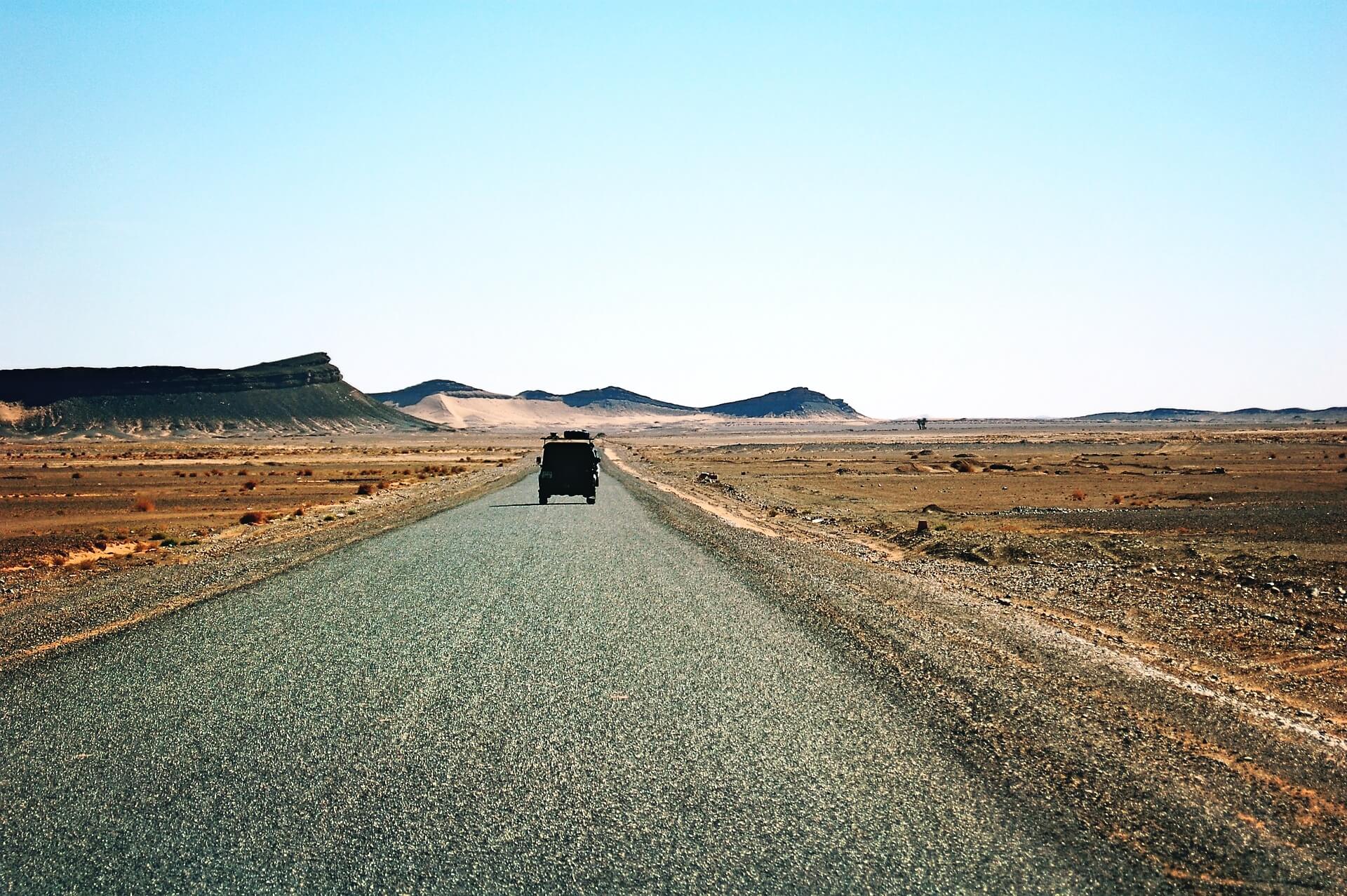
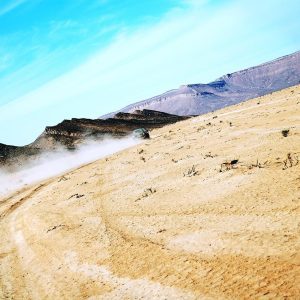
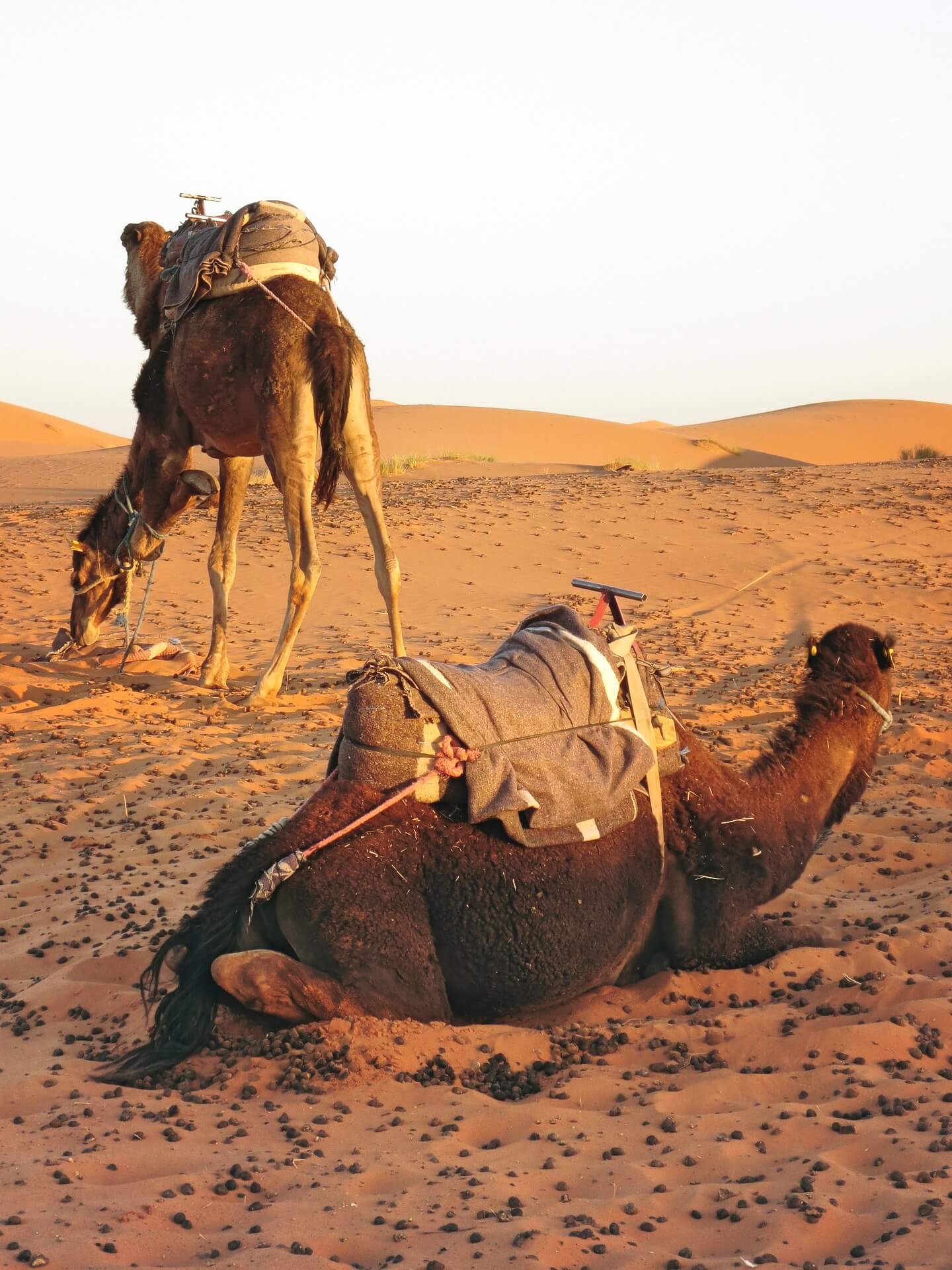
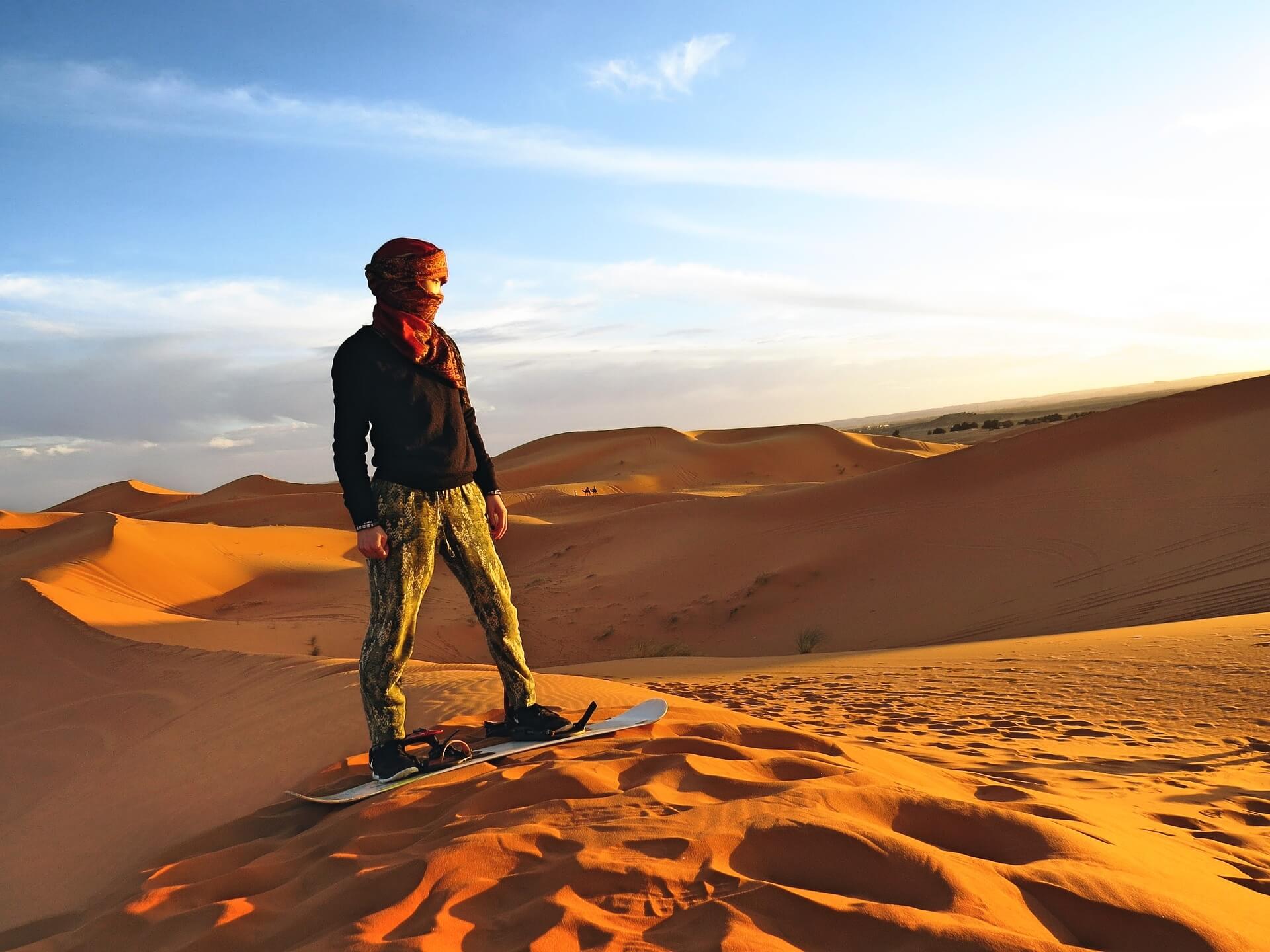
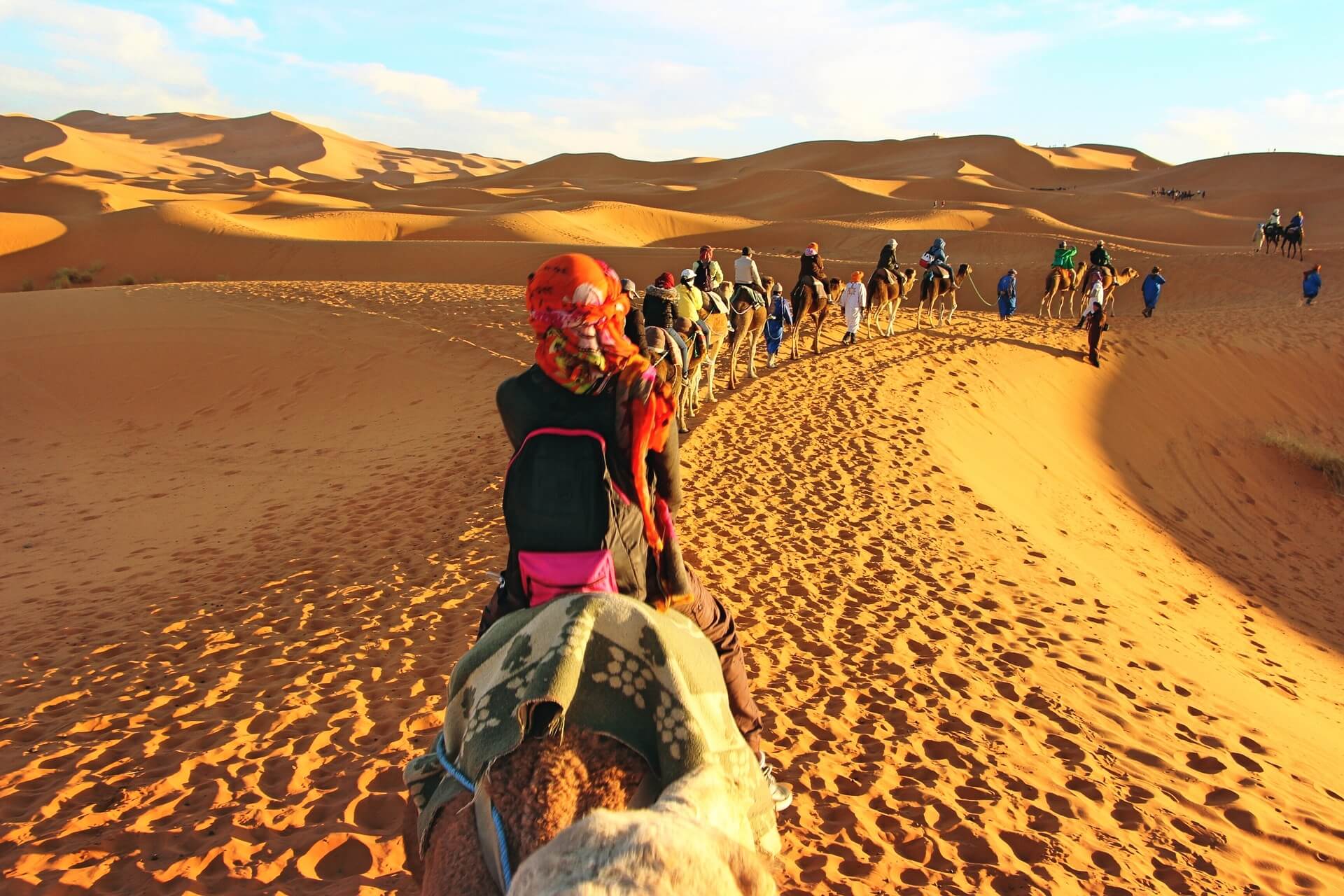
Venture south to the Sahara Desert, where Erg Chebbi’s mesmerizing dunes create a surreal landscape.
The tranquillity of Souss-Massa National Park, graced by coastal cliffs and avian wonders, provides a serene retreat for nature lovers. It is a sanctuary for endangered species such as the Northern Bald Ibis. Witnessing these majestic birds against the backdrop of coastal cliffs is a testament to Morocco’s dedication to ecological stewardship.
Indeed, Morocco’s commitment to preserving its ecological treasures is evident in its national parks, ensuring a sustainable legacy for generations to come.
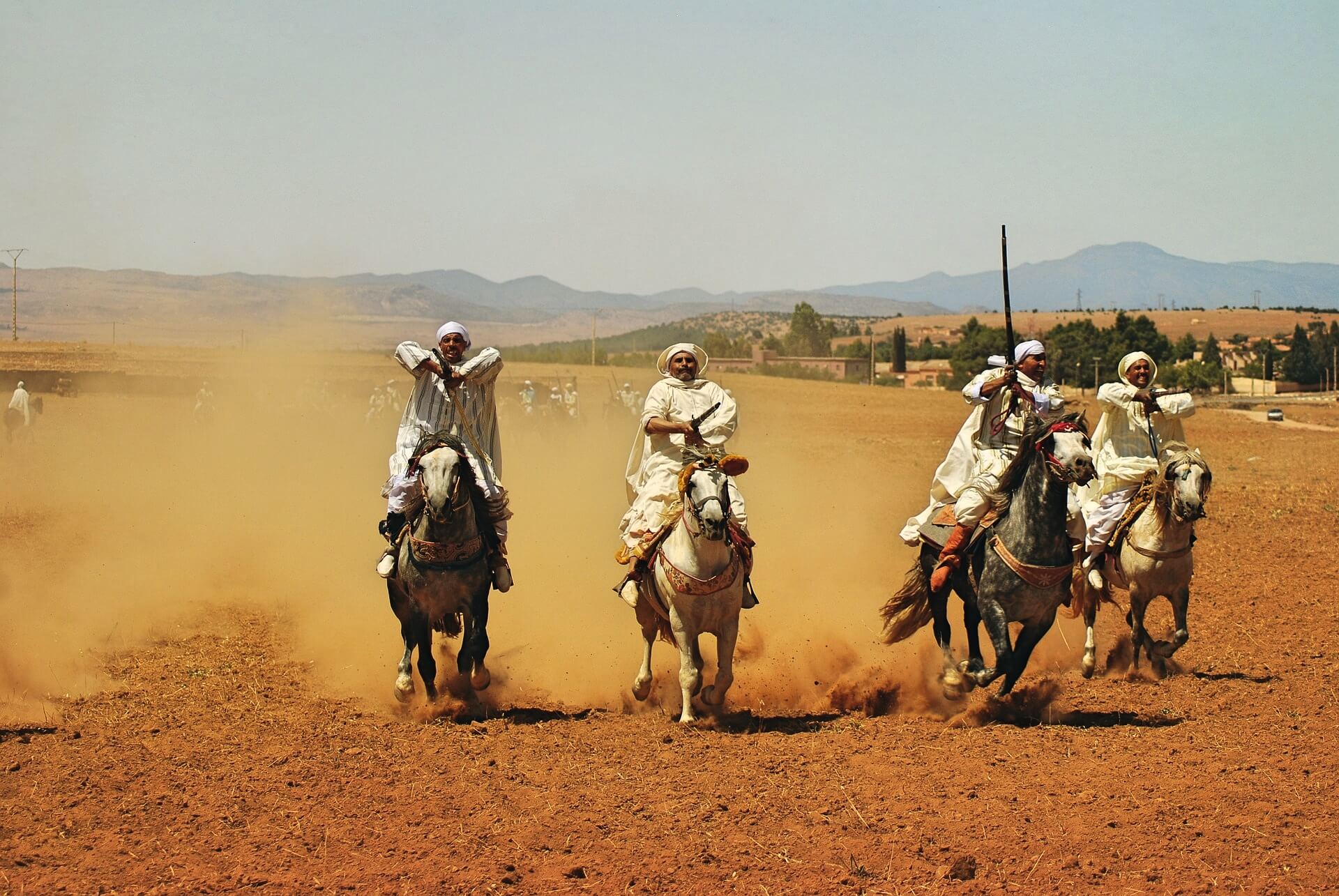
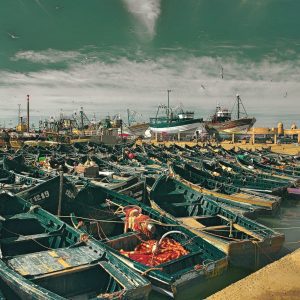
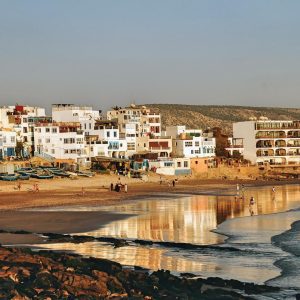
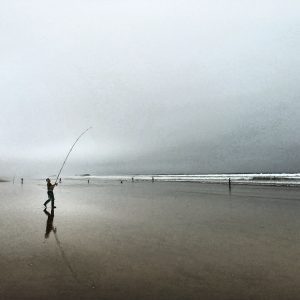
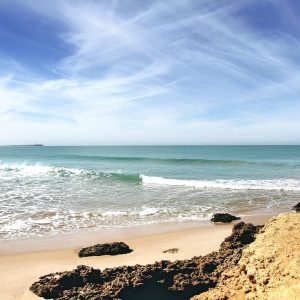
Nature and wildlife enthusiasts find solace in Morocco’s diverse ecosystems. The coastal region, where the Atlantic Ocean meets the Mediterranean, unveils a marine paradise. Essaouira, with its fortified walls and pristine beaches, offers a tranquil escape for those seeking the soothing embrace of the ocean. Luxury vacationers find respite in seaside resorts, where opulence harmonizes with the beauty of Morocco’s coastal allure.
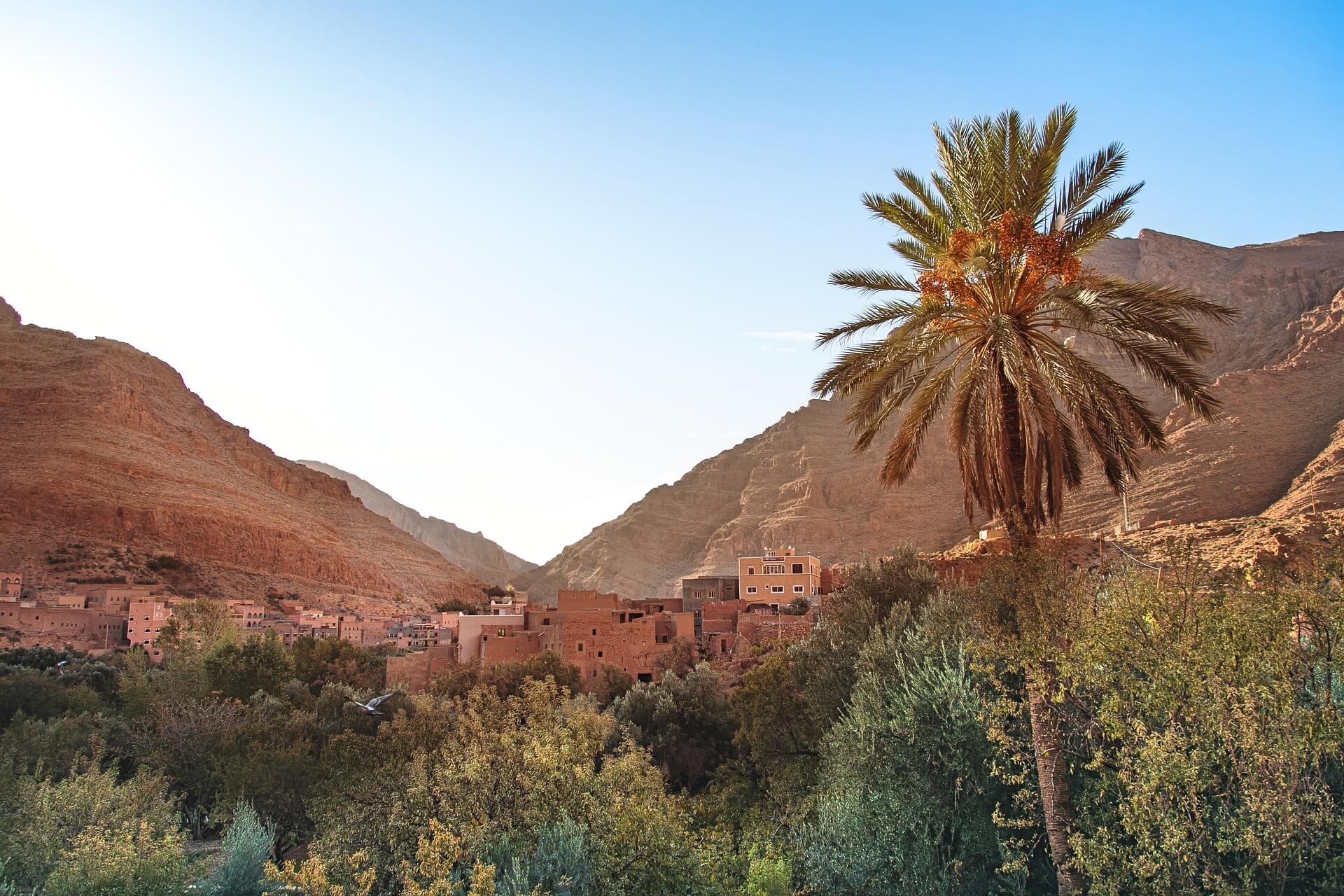
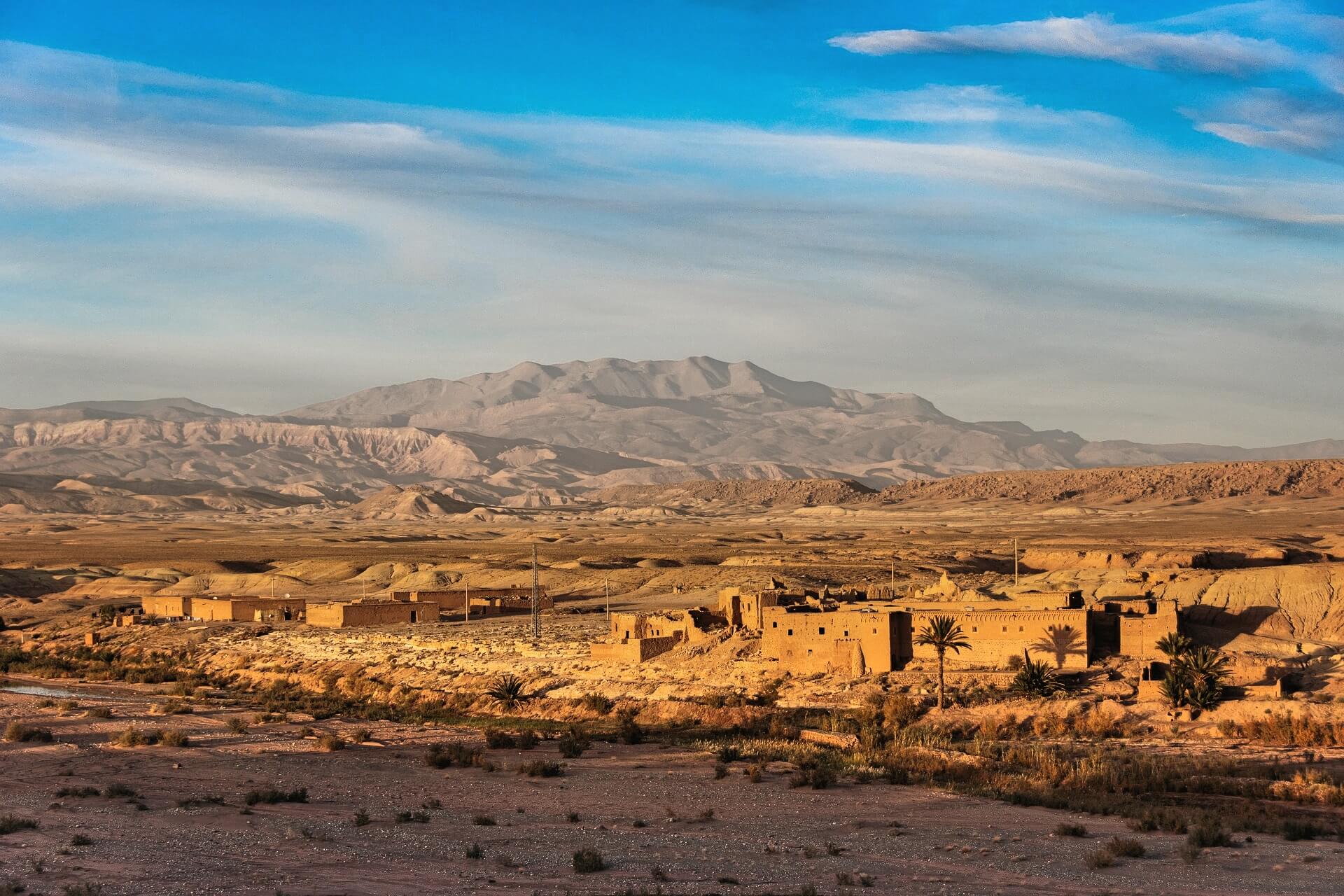
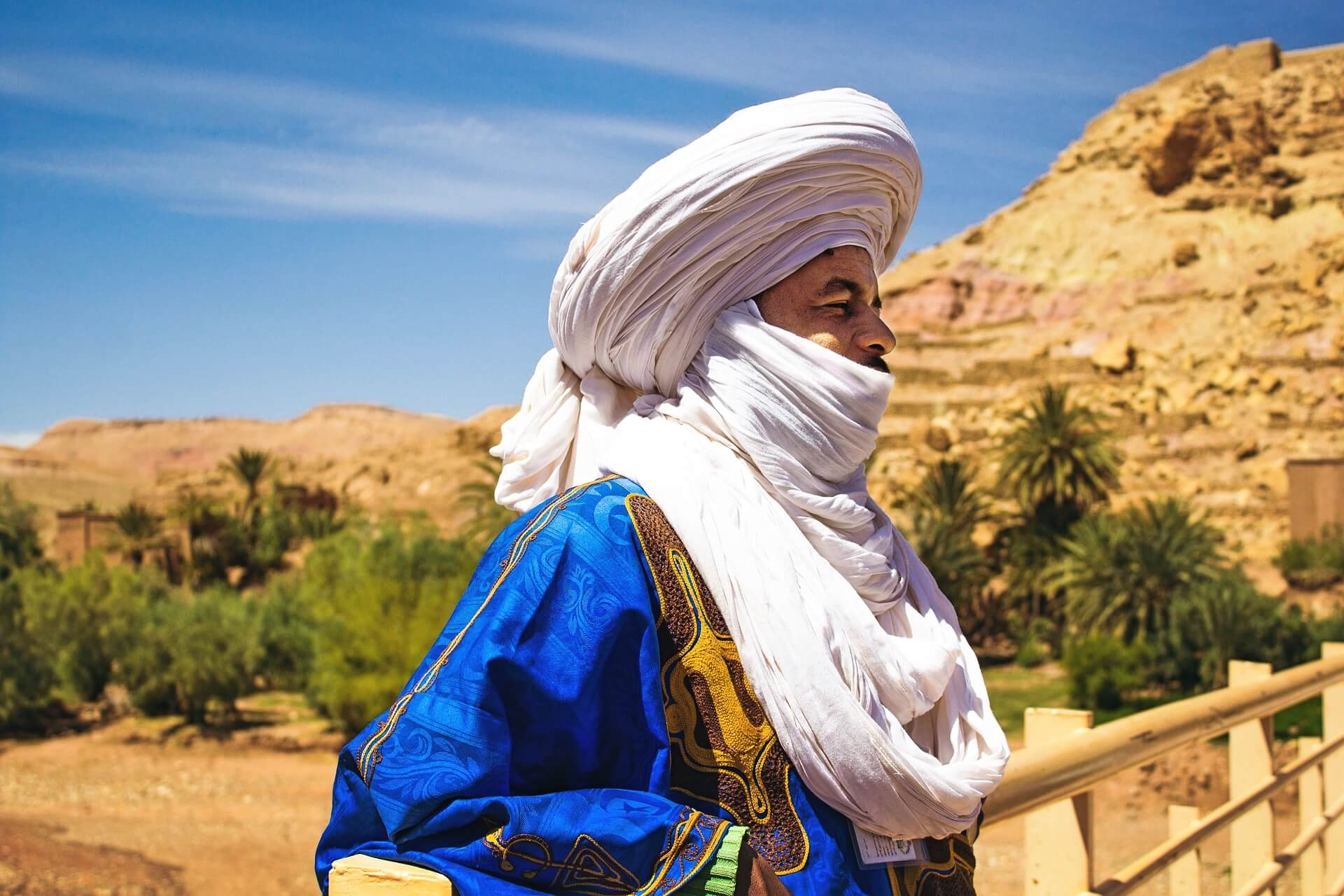
The intertwining of nature and culture is particularly evident in Morocco’s oasis towns, like Skoura and the Draa Valley. Lush palm groves provide a stark contrast to the arid surroundings, showcasing the resilience of life in the desert. These verdant havens, with their ancient kasbahs and traditional irrigation systems, offer a glimpse into Morocco’s agricultural heritage and the symbiotic relationship between communities and the land.

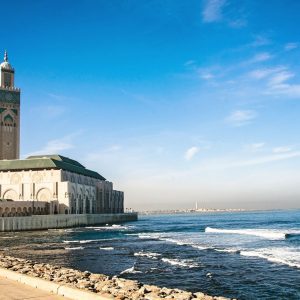
Immersing oneself in Morocco’s vibrant cultural tapestry is an experience like no other.
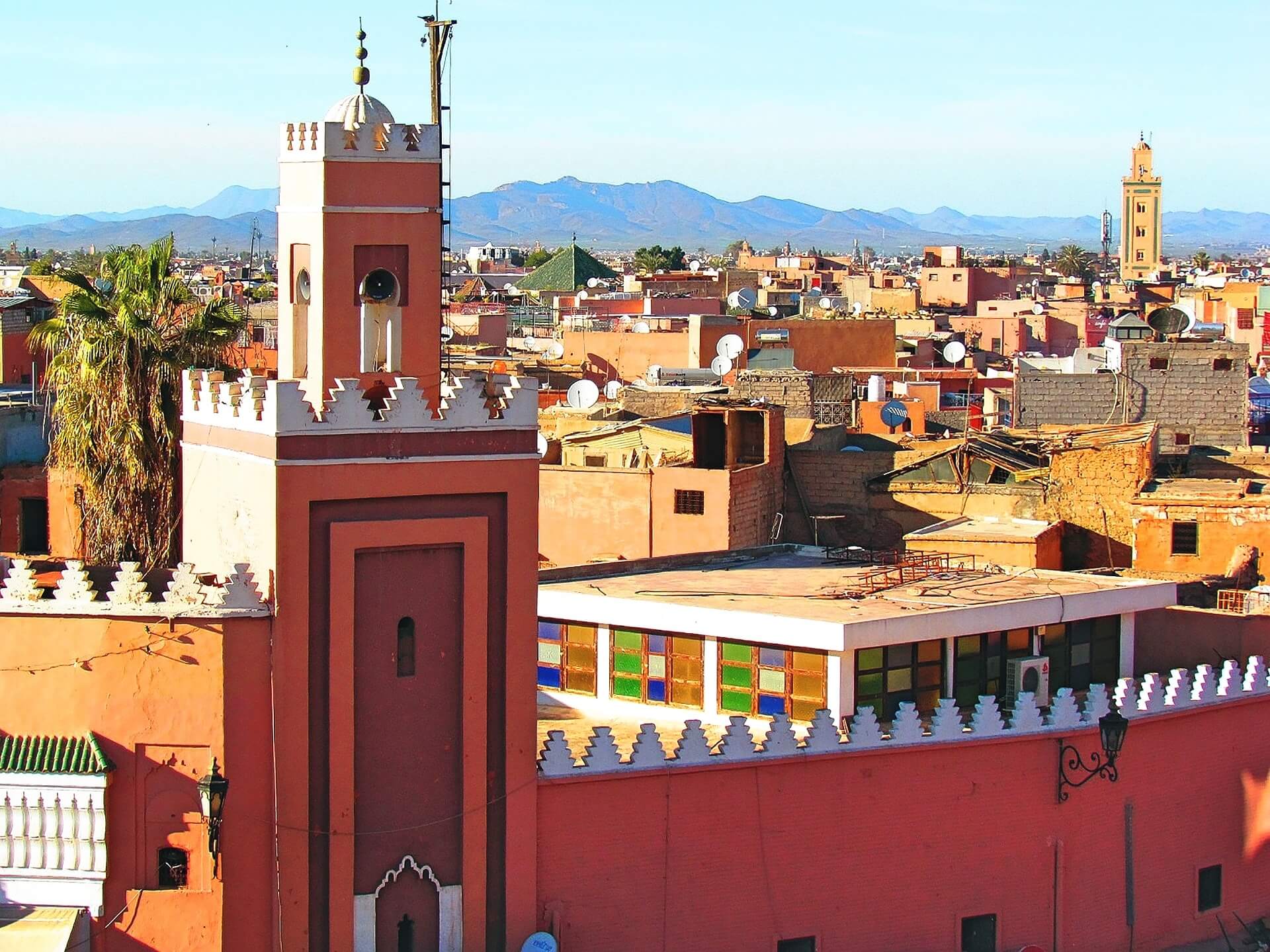
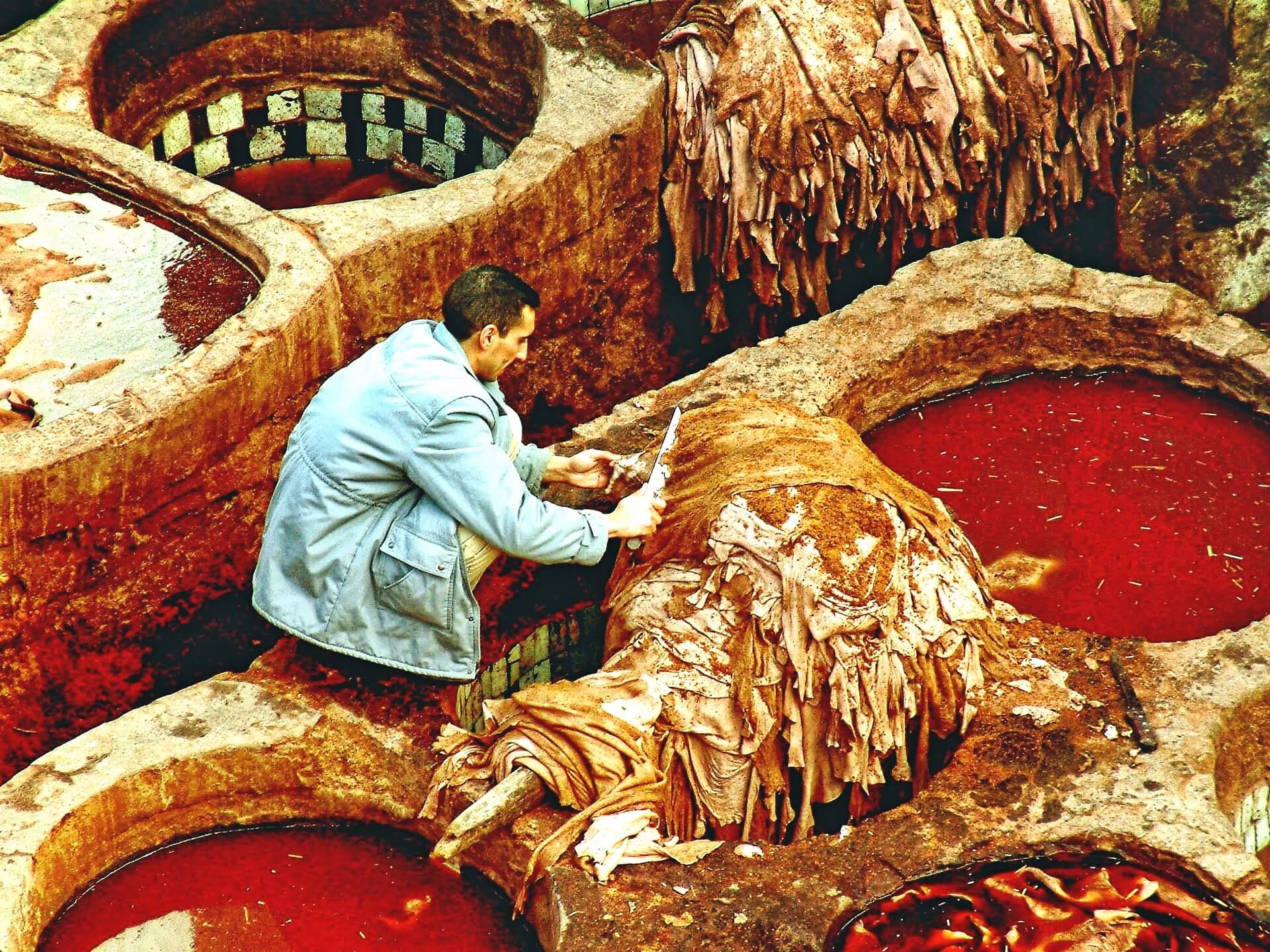
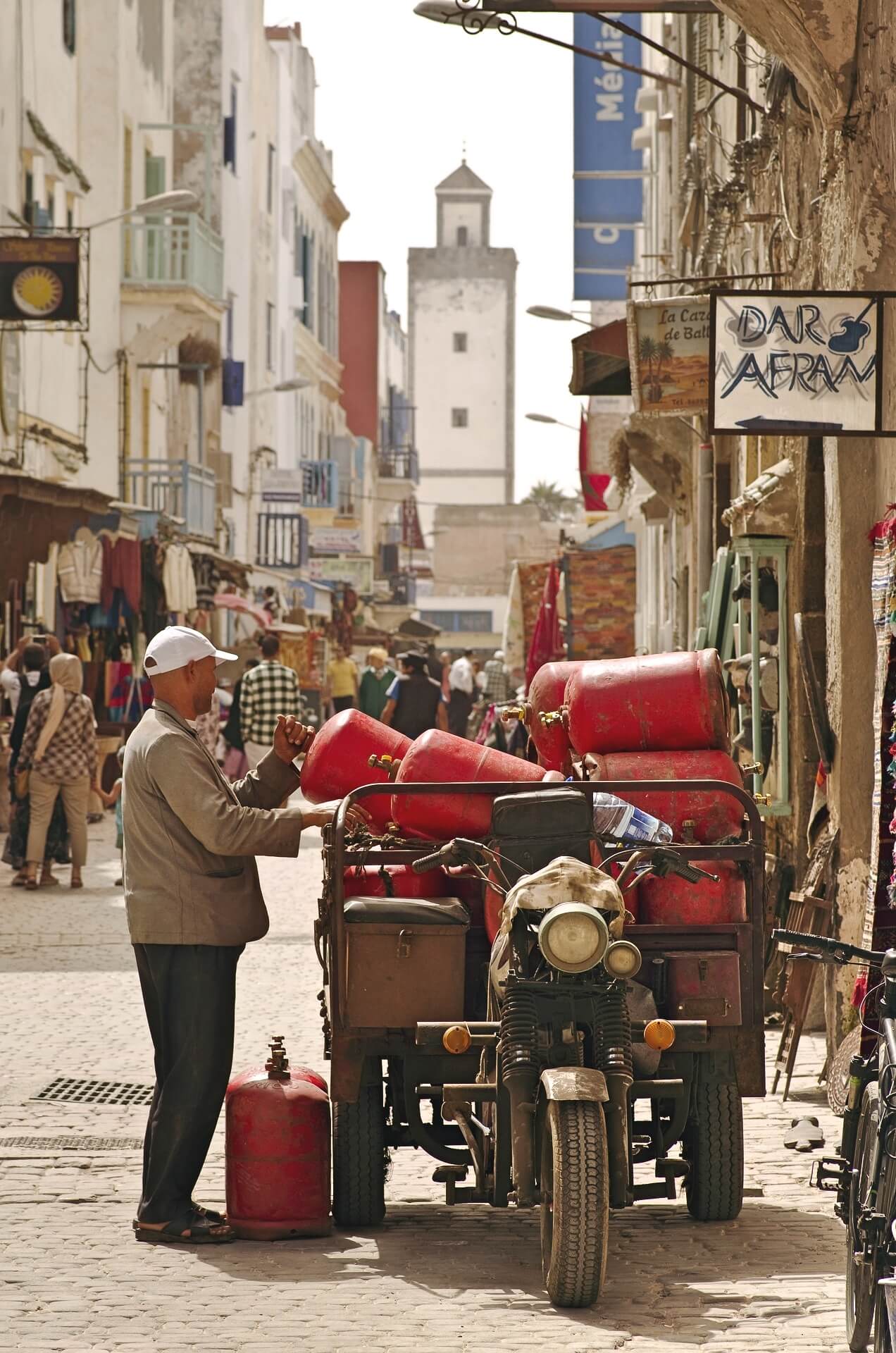
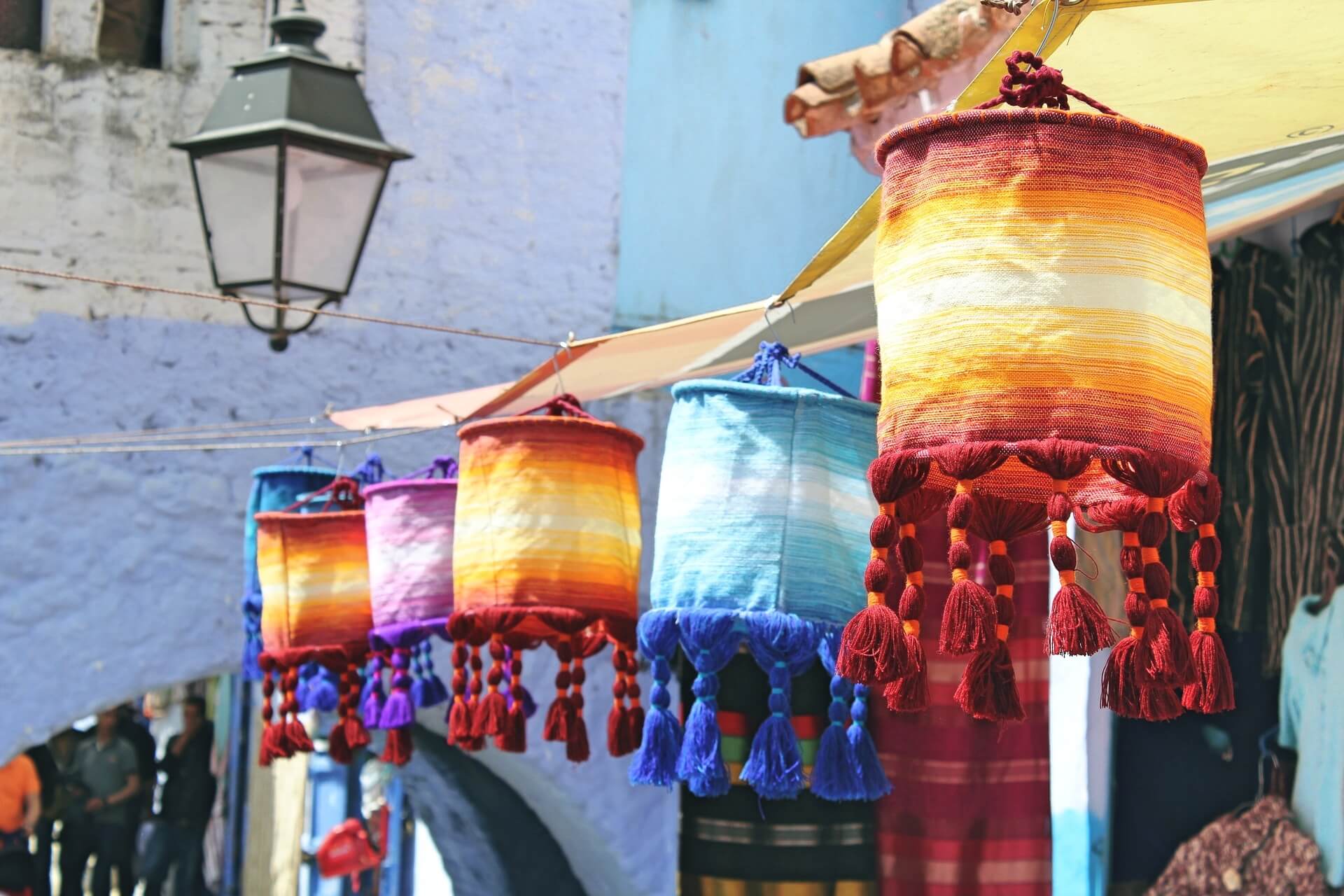
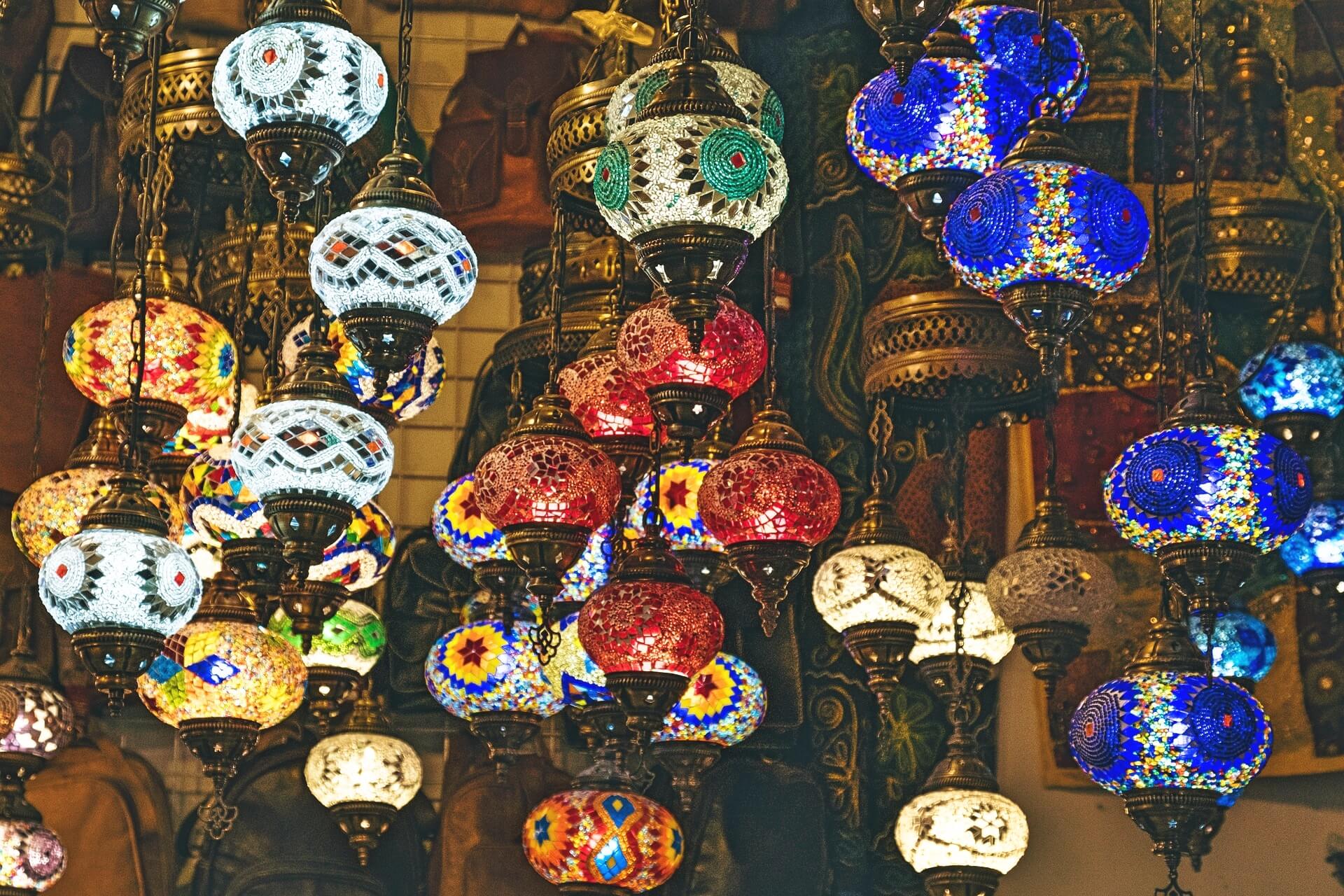
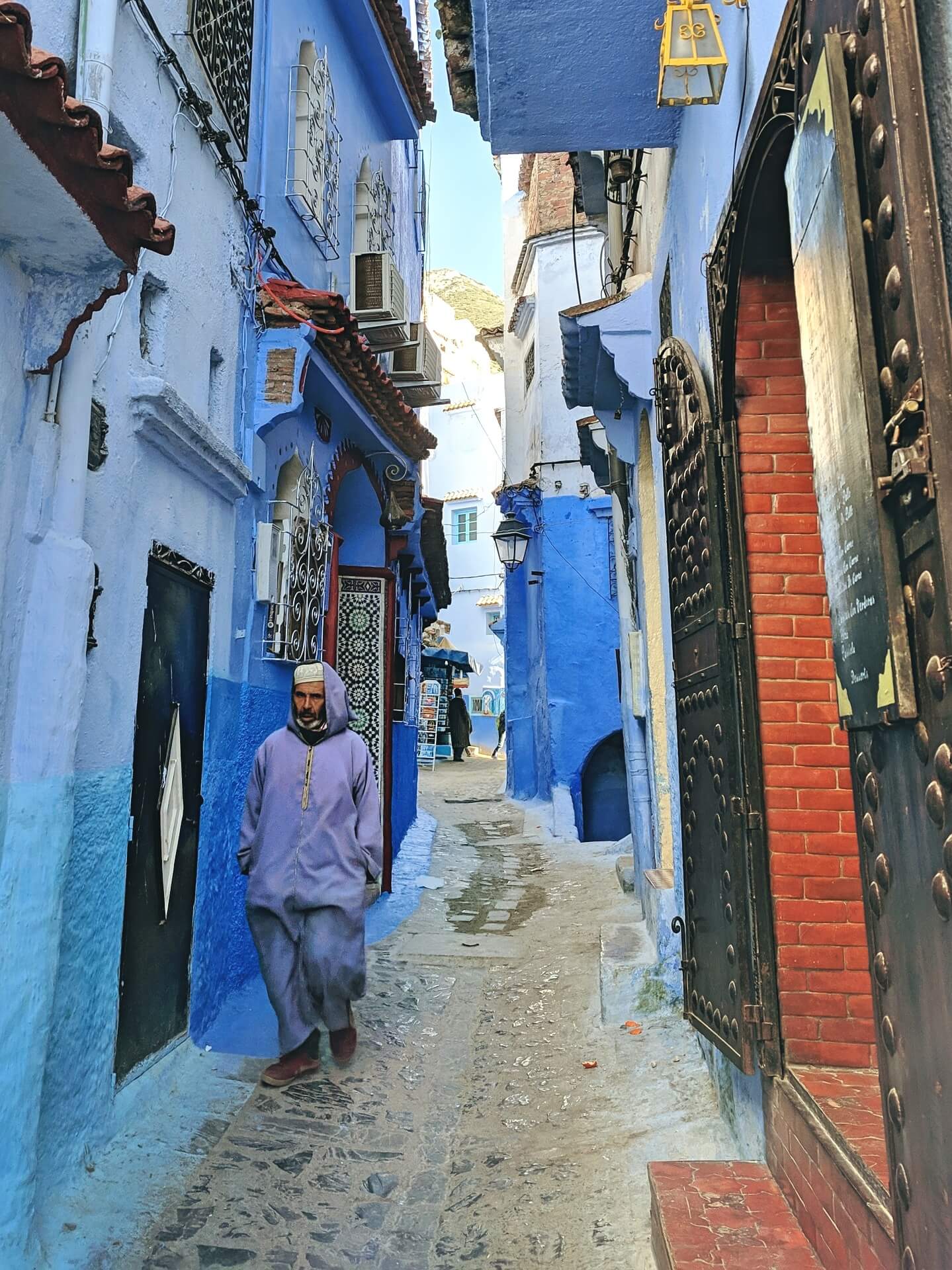
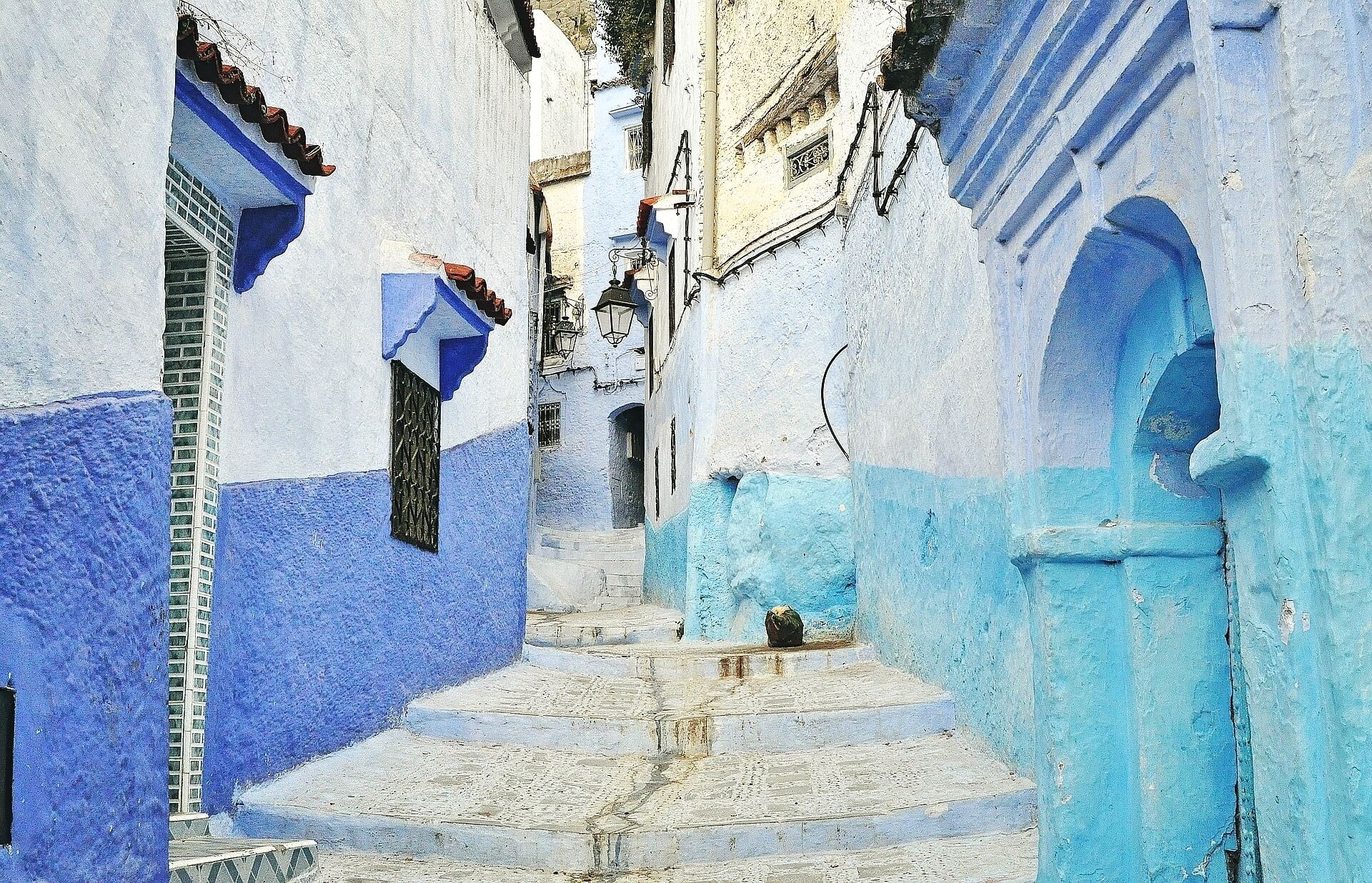
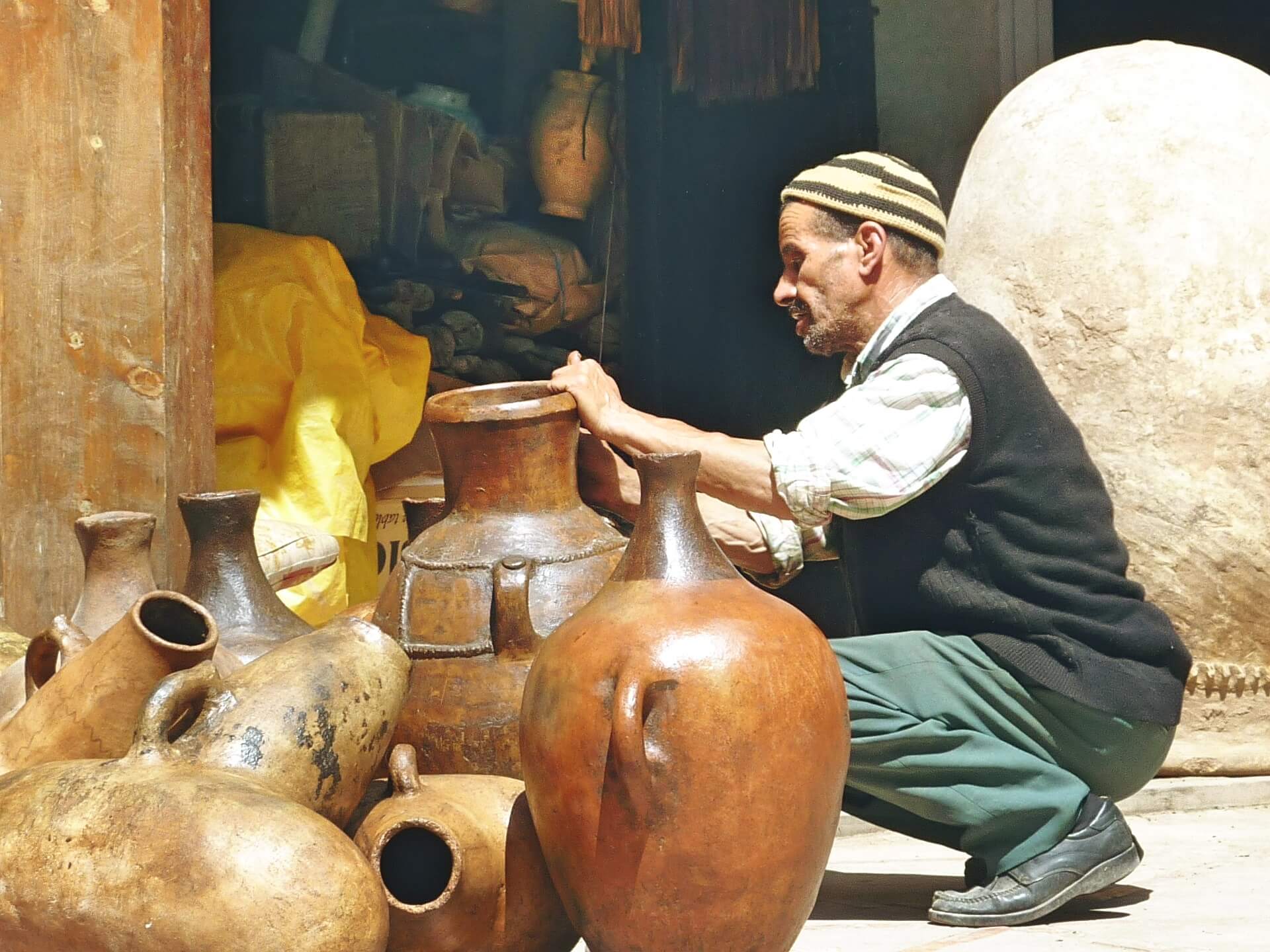
The bustling medinas, such as Marrakech’s iconic Jemaa el-Fnaa, are a sensory delight, offering a kaleidoscope of colours, scents, and sounds. The ancient city of Fes, a UNESCO World Heritage site, unveils a labyrinthine medina brimming with history, traditional craftsmanship, and hidden gems.
Traverse the medinas of Casablanca and Rabat to understand the fusion of tradition and modernity becomes apparent.
Morocco’s commitment to preserving its cultural identity while embracing progress is reflected in the harmonious coexistence of historic landmarks and contemporary infrastructure.
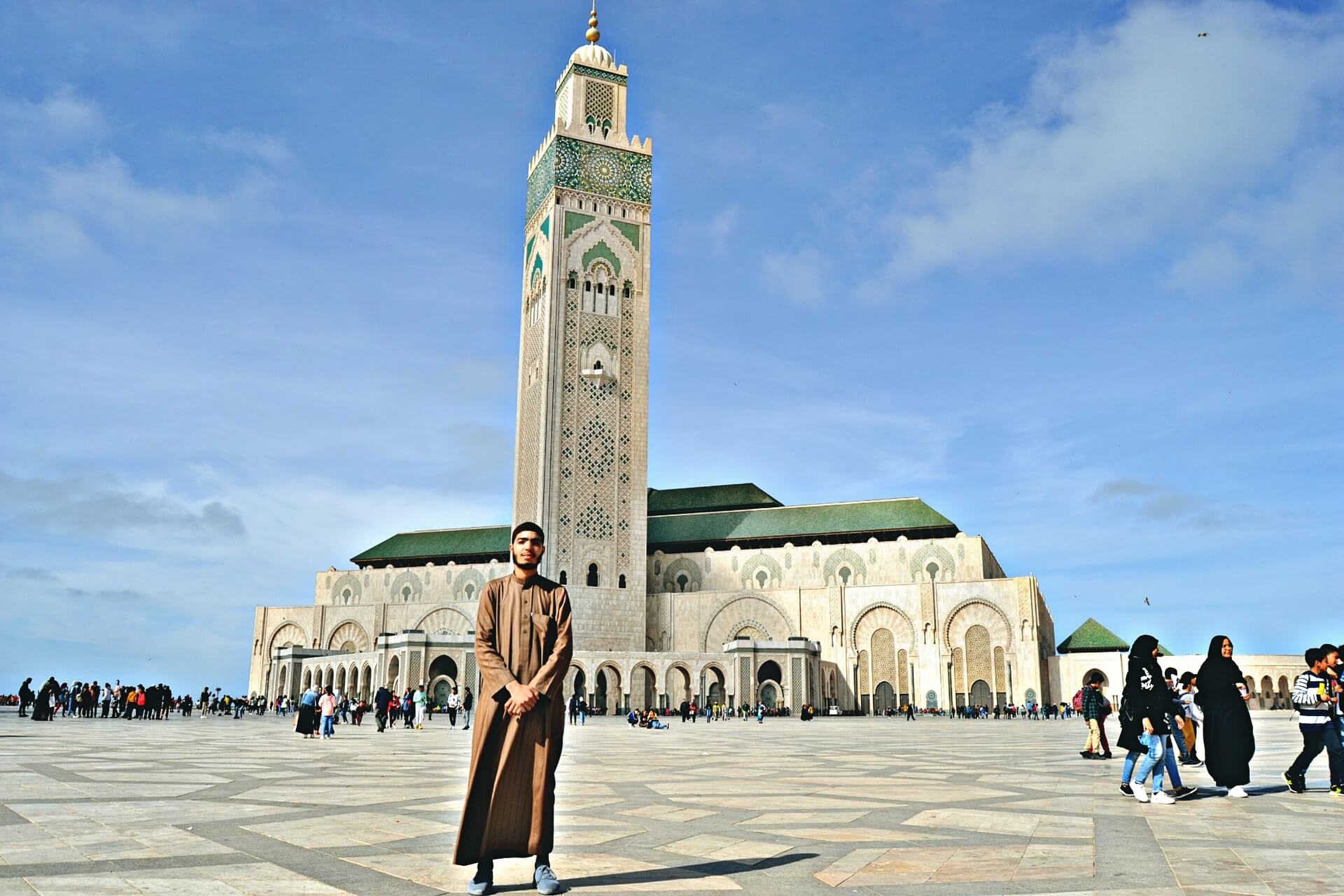
The call to prayer echoing from the minarets punctuates the cityscape, providing a poignant reminder of Morocco’s Islamic heritage. The intricate geometric patterns adorning mosques and madrasas, such as the iconic Al-Qarawiyyin University in Fes, showcase the country’s rich artistic legacy and its contribution to Islamic architecture.
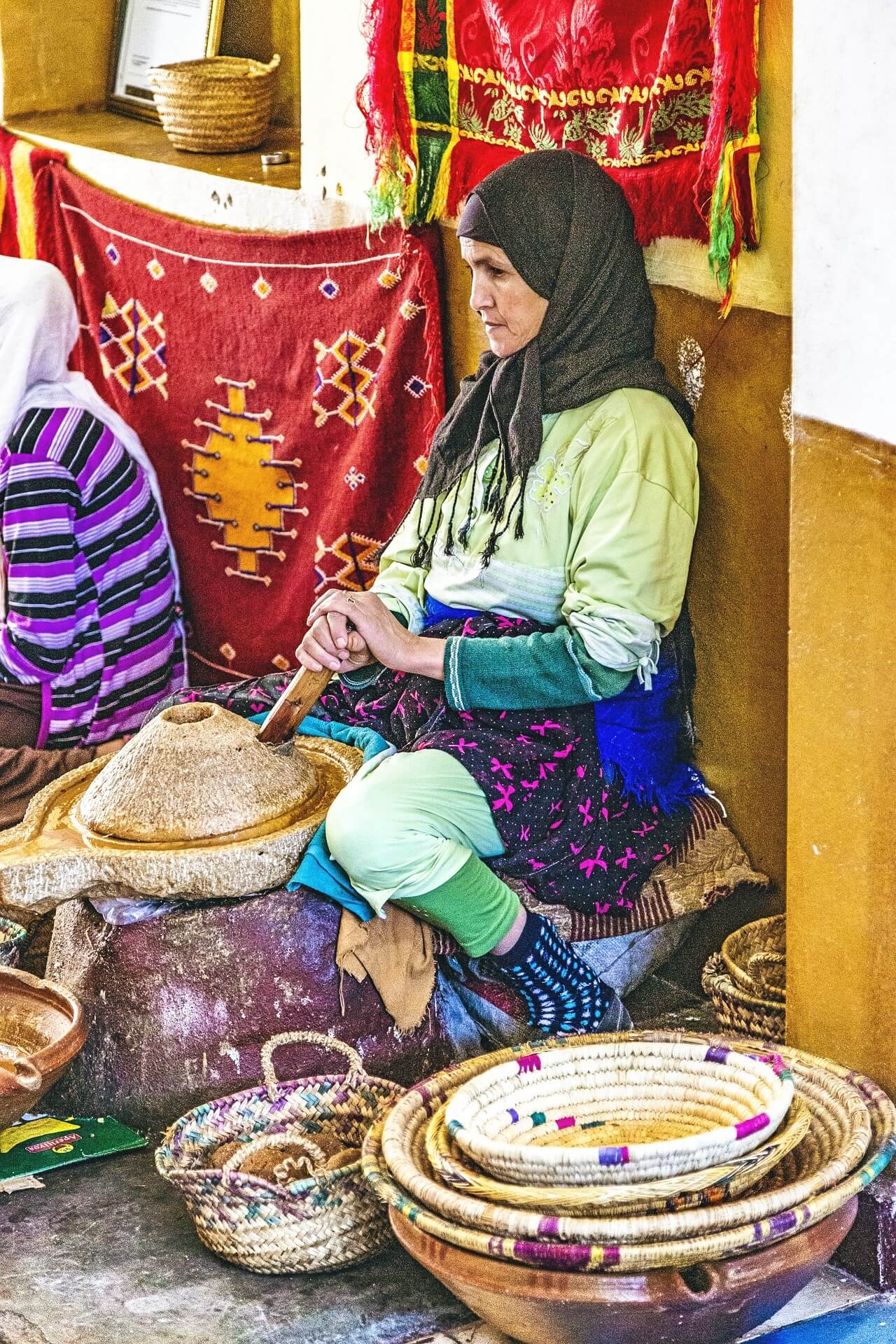
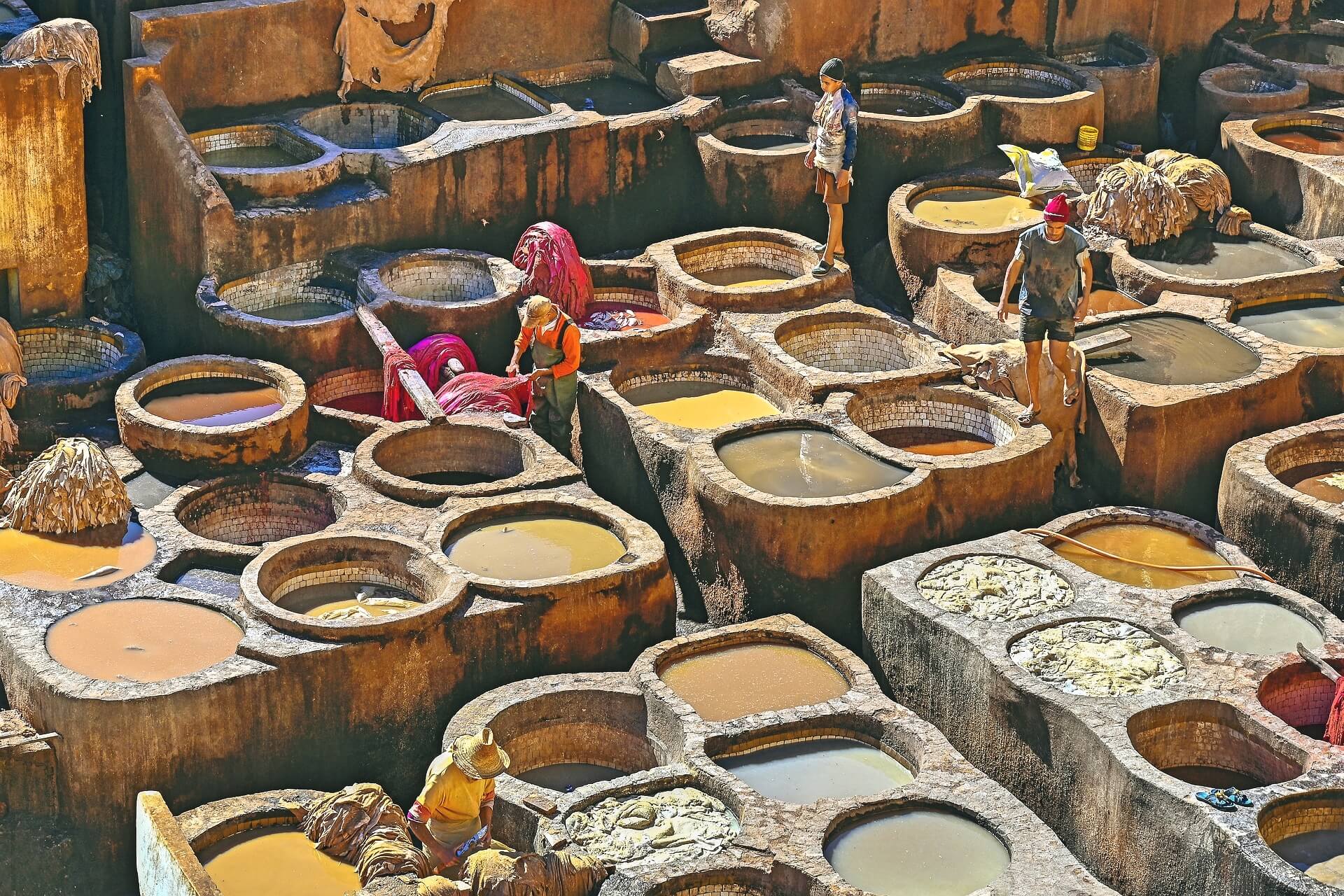
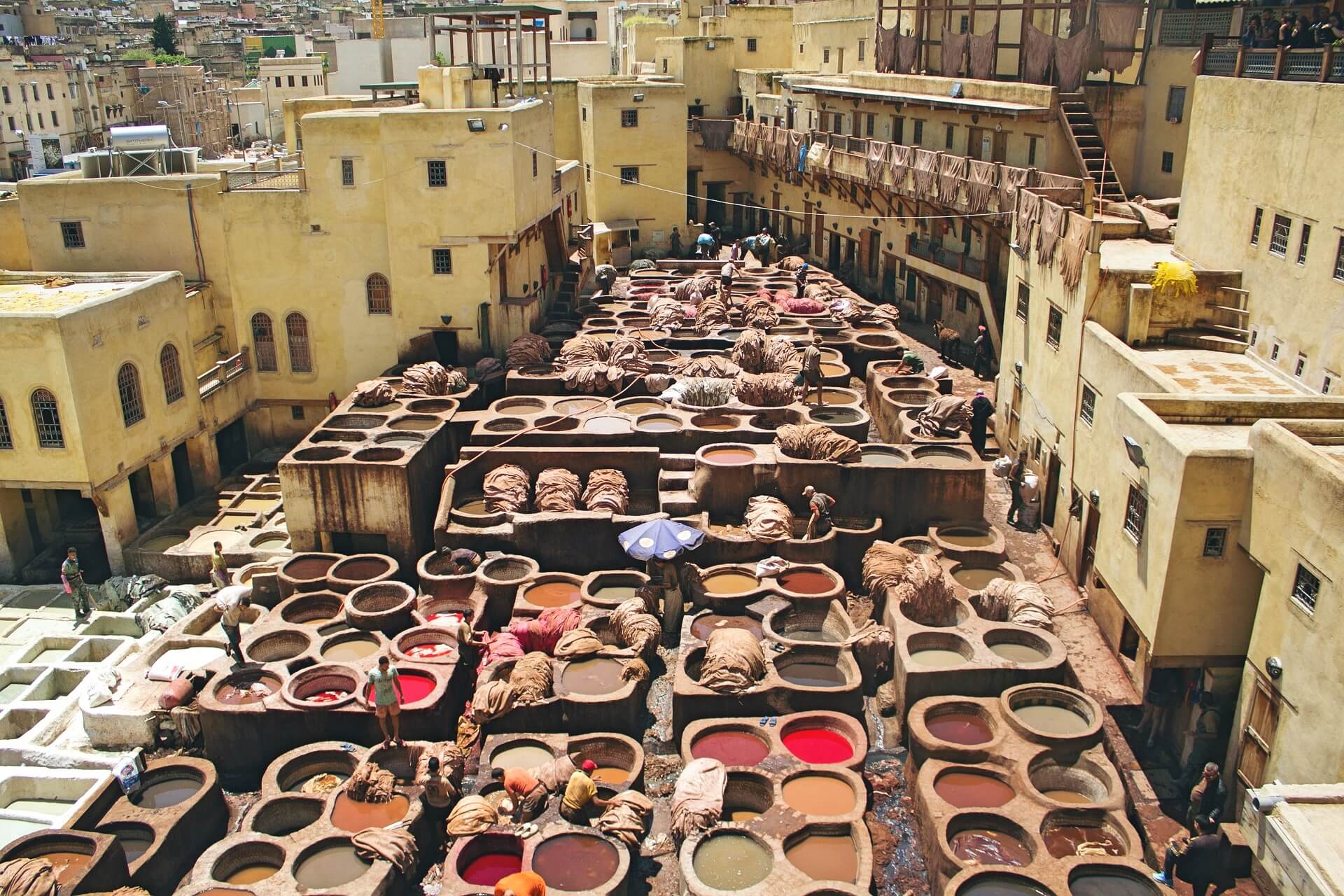
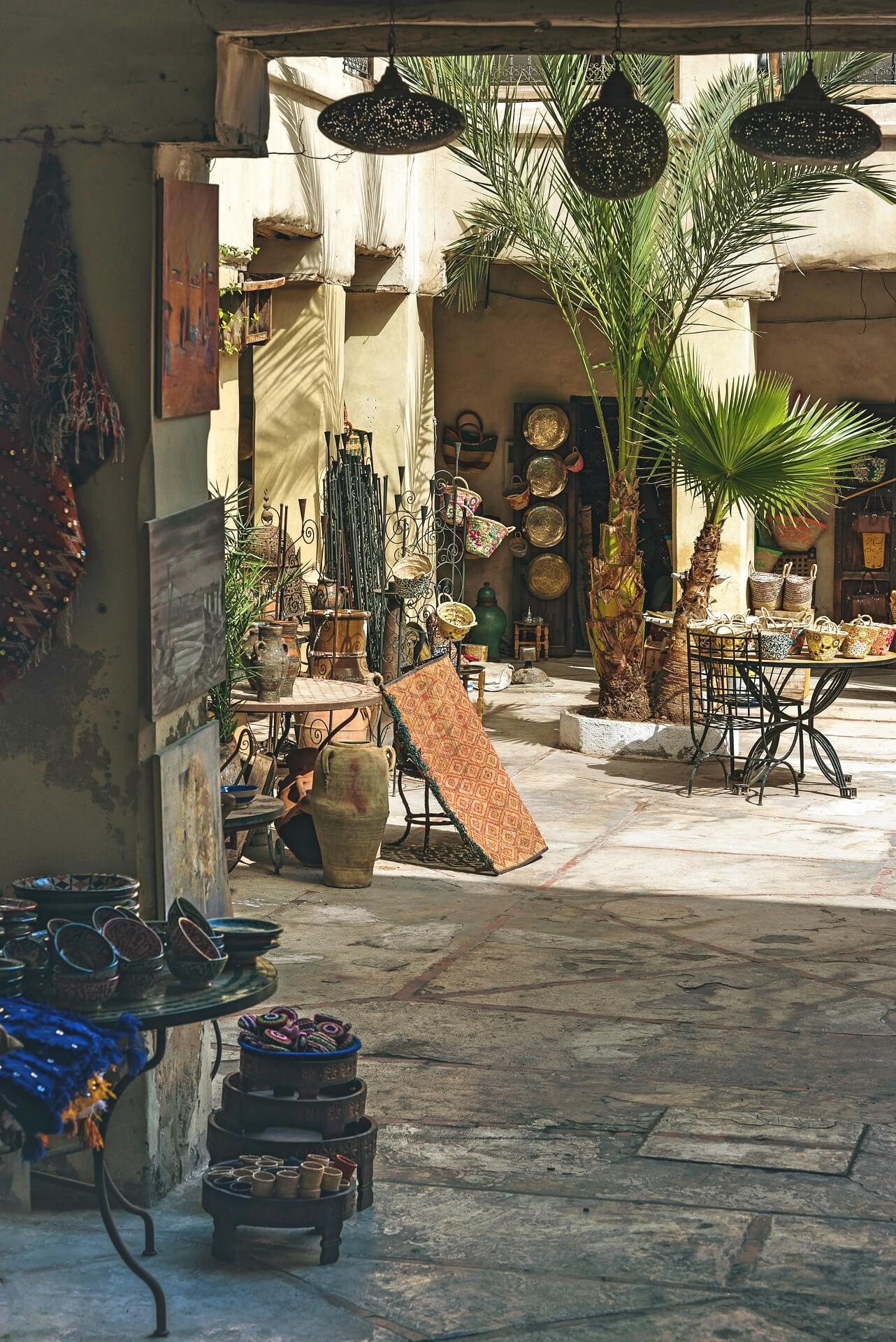
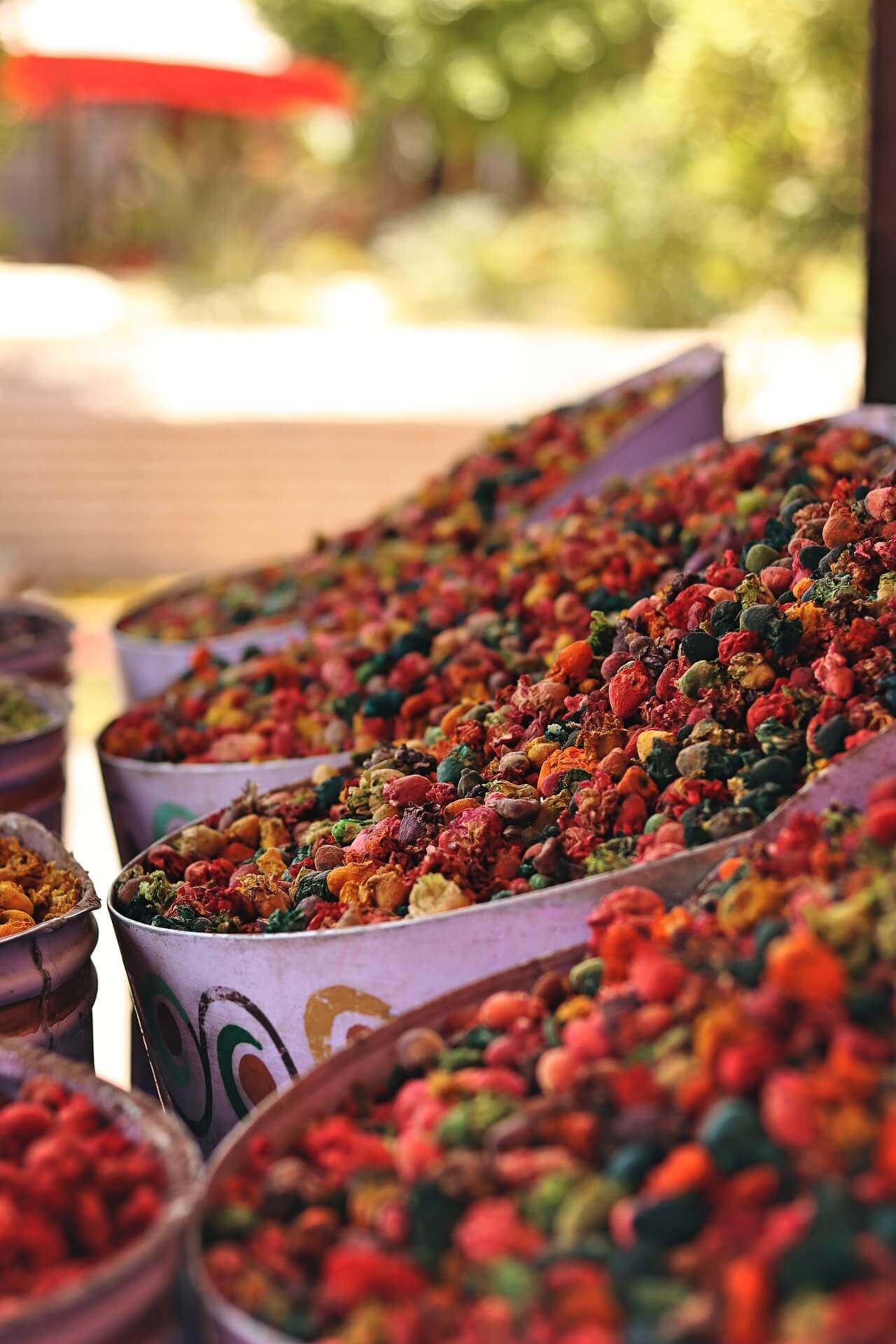
Morocco’s culinary landscape is equally captivating, offering a tantalizing fusion of flavours influenced by Arab, Berber, and French traditions.
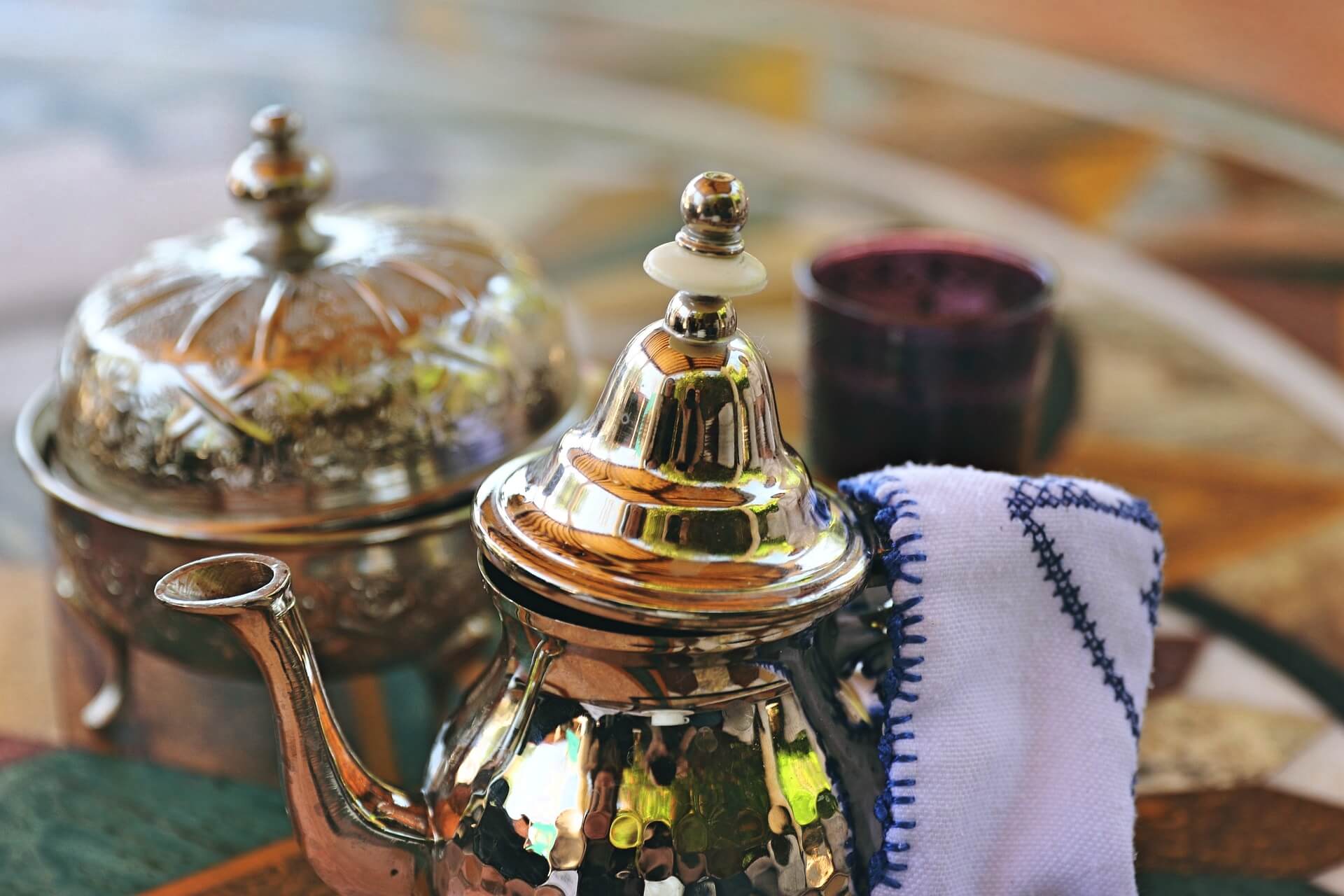
Indulge in the delights of couscous, tagines, and aromatic mint tea, savouring each dish as a culinary masterpiece that reflects the country’s diverse cultural heritage. The culinary experience extends beyond the bustling markets, as Morocco boasts a burgeoning food scene that caters to both traditionalists and those with a taste for contemporary gastronomy.
As the sun sets over the Sahara, cultural events come to life. Morocco’s festivals, like the Fes Festival of World Sacred Music, transcend boundaries, celebrating the universal language of melody. The Gnaoua World Music Festival in Essaouira echoes with the rhythmic beats of Gnaoua music, creating an immersive experience that transcends cultural barriers.
The Rose Festival in Kelaat M’Gouna celebrates the blooming of a million roses, transforming the valley into a sea of delicate petals. This picturesque event not only showcases Morocco’s natural beauty but also highlights the significance of floral cultivation in the region.
For those seeking respite in luxurious retreats, Morocco’s coastal gems beckon with opulence. From the exclusive resorts of Agadir to the serene hideaways of Tangier, the blend of sumptuous accommodations and breathtaking ocean views creates an idyllic setting for a lavish escape.
The indulgence extends to the traditional hammams and spa experiences, where ancient rituals merge seamlessly with modern wellness practices.
Morocco stands as a testament to the delicate balance between nature’s wonders and human ingenuity. Its national parks, cultural richness, and coastal splendour converge to create an unparalleled experience for those seeking both adventure and luxury.
As you embark on a journey through this North African jewel, the allure of Morocco is sure to captivate your senses and leave an indelible mark on your travel memoirs.
Explore our Moroccan Adventures or click here to contact us and design a journey that’s uniquely yours.
No tours match your criteria
